The Haḍḍa School of Art: Iconographic Markers
The deity
11 works · + 44 debated
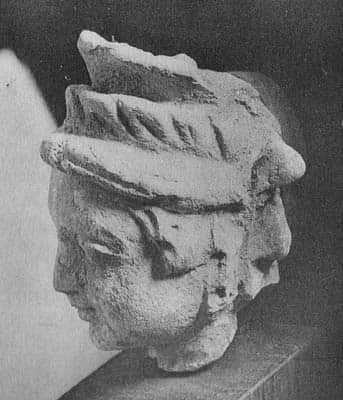
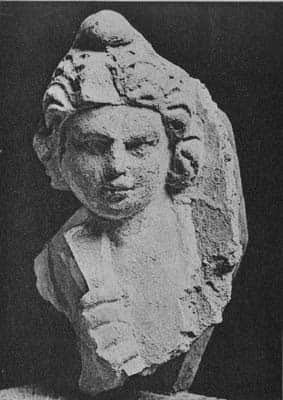
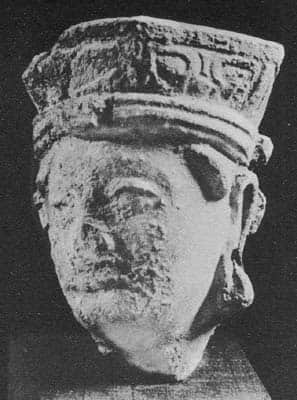
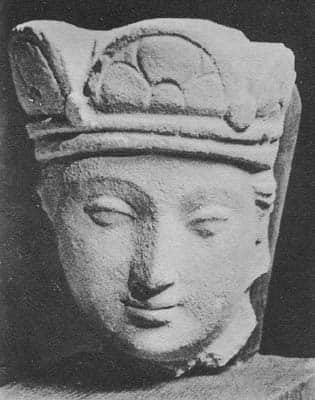
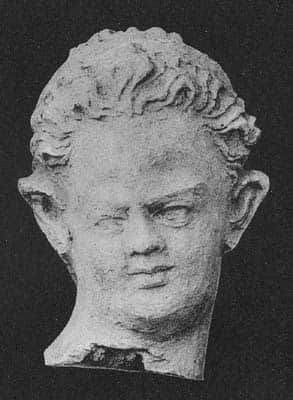
The gods of the Gandhāran pantheon as the records describe them. Indra wears the tall goldsmith's tiara called mukuṭa: bands set with cabochons, semi-circular arches, crowns sometimes topped by a crescent of Iranian inspiration; the face is fine, idealised and smiling, the earlobes distended by heavy pearls. Vajrapāṇi, the Buddha's protector holding the vajra, borrows his features from Bacchus or the silenoi, down to the Phrygian cap. As for the god Brahma, the artists, following the texts, gave him the same appearance as his mortal devotees, the brahmans: the database leaves these heads open.
The distinguishing marks
Each mark points to real records that describe it.
Tall goldsmith's tiara (mukuṭa): bands with cabochons, semi-circular arches
Crown or diadem topped by a crescent, of Iranian or Central Asian inspiration
Fine, idealised, smiling face, distended earlobes
The vajra held or brandished, attribute of Vajrapāṇi
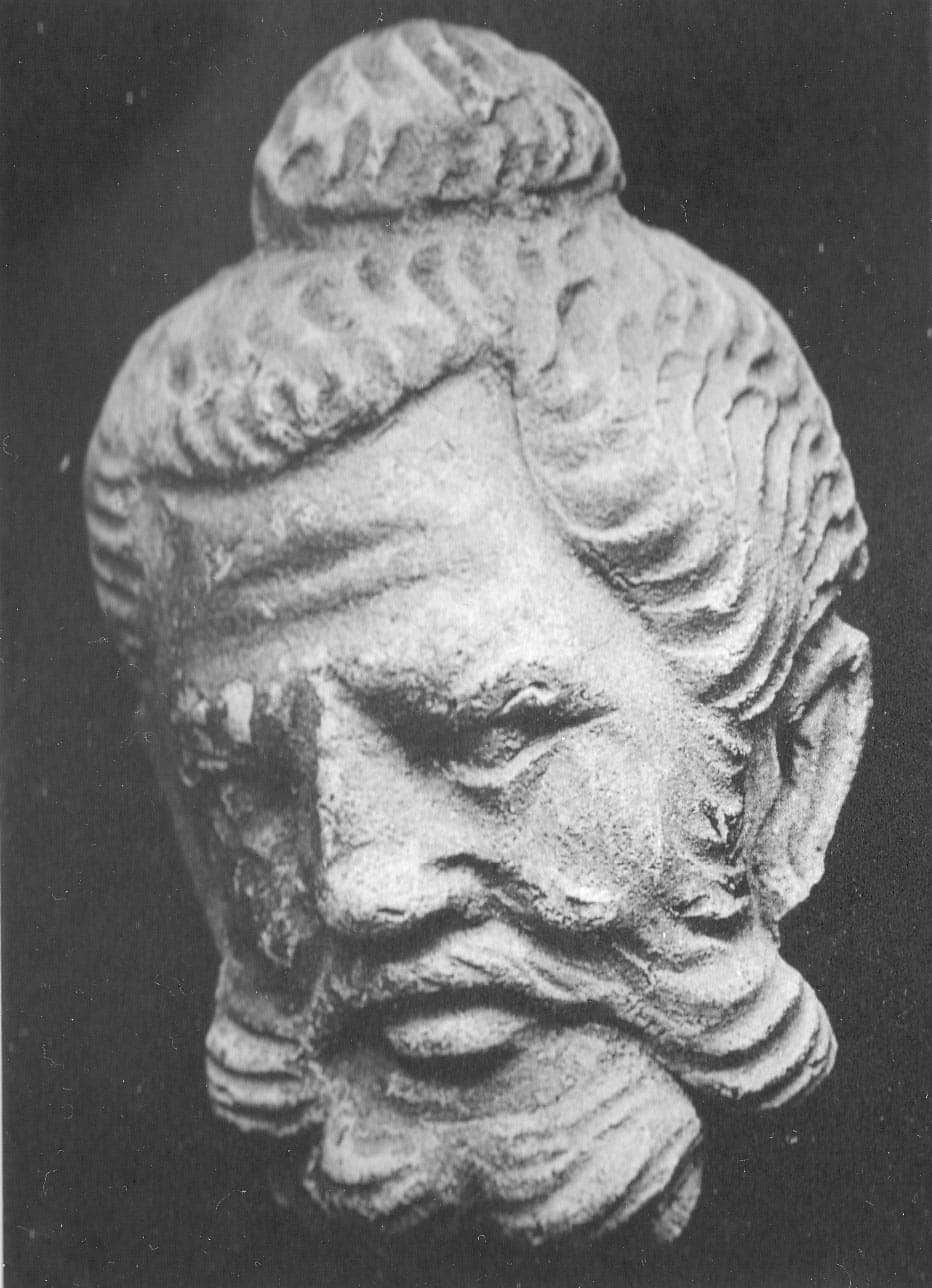
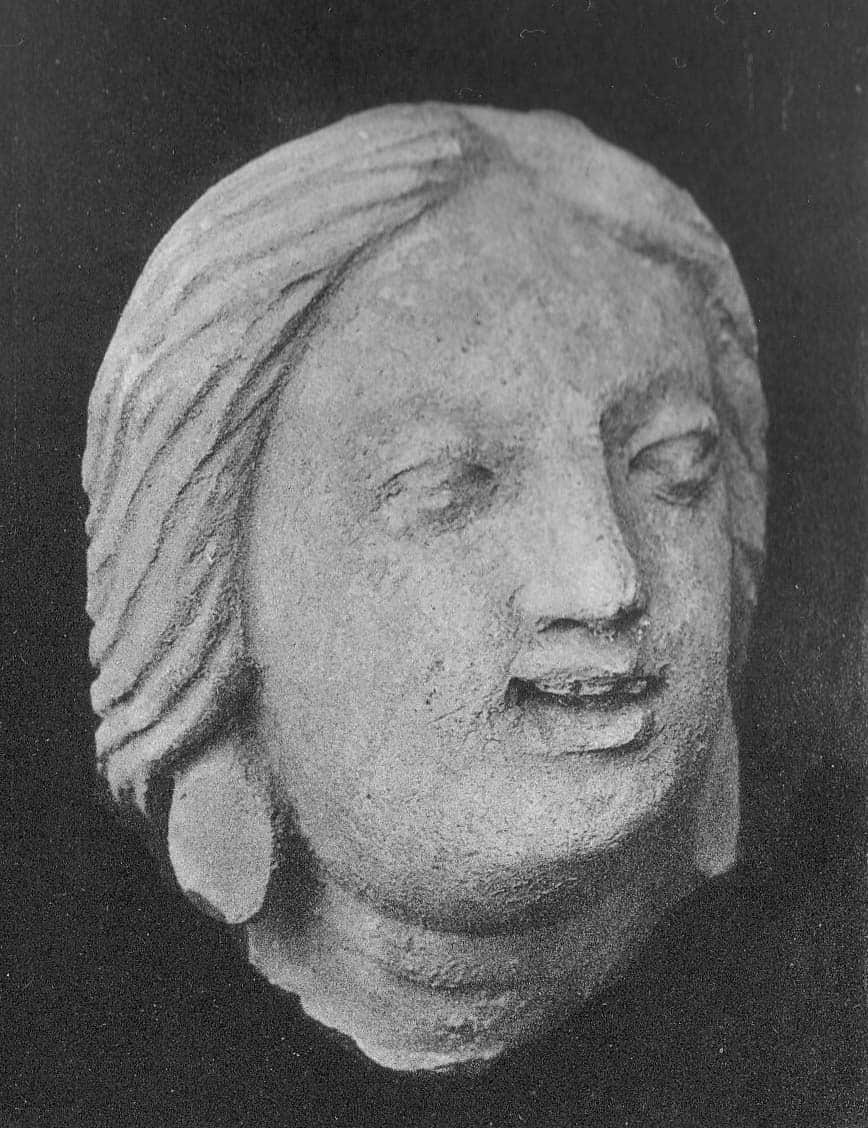
Three works to learn to look
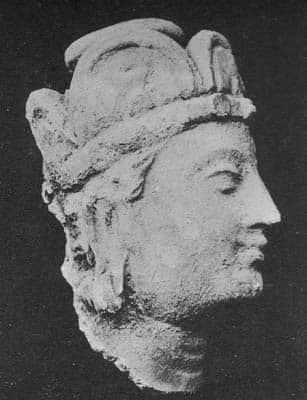
因陀罗神头戴一顶名为穆库塔的高大金饰冠冕,由饰有两颗中央凸面宝石的发带组成,上方是半圆形拱弧,很可能带有图案装饰。
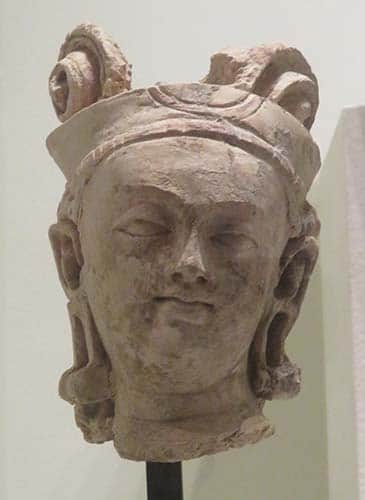
这尊因陀罗头像带有中亚艺术的影响印记。复杂的头饰由一顶皇冠组成,上方有两个卷曲的螺旋,带有伊朗式新月,可能是嚈哒风格。
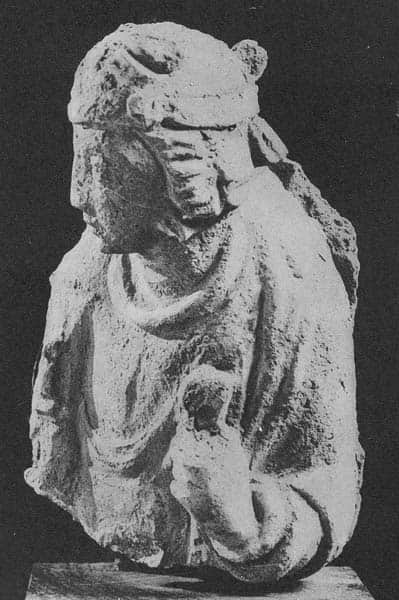
金刚手菩萨头戴在脑后系结的头巾,边缘装饰着圆形圆章。头发表现得非常简略,面容也完全理想化。
Not to be confused with
The Bodhisattva
Following the texts, the artists gave the bodhisattvas the appearance of deities, Indra foremost: 17 records of the database remain between “Indra or Bodhisattva”.
The brahman
The god Brahma bears the appearance of his mortal devotees, the brahmans: 20 records remain between “Brahma or young brahman”.
The donor
The database twice hesitates between donor and Indra, “depicted in the manner of the donors” (HADB 133, 269), and two female donors remain “female donor or deity” (HADB 134, 332).
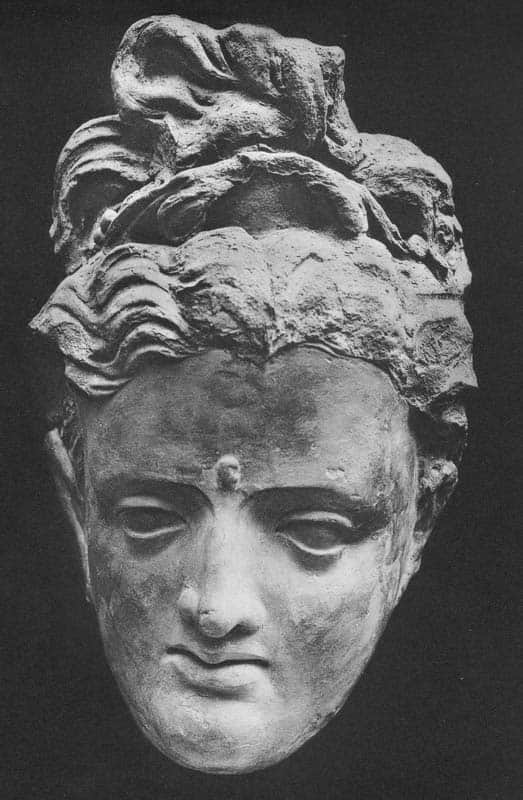
All identified works
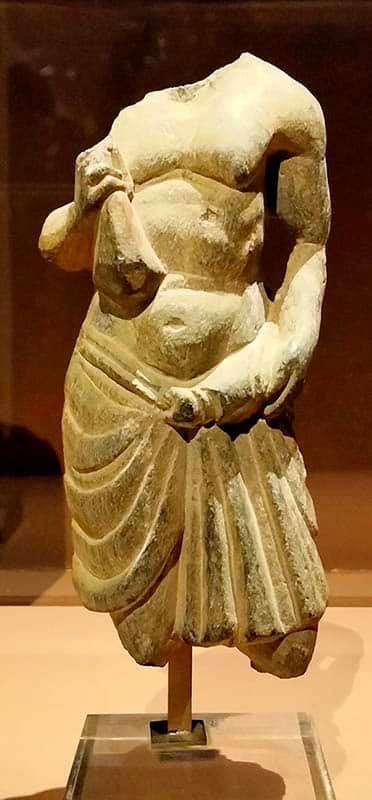
塔帕-伊-卡法里哈5 works
Debated identifications
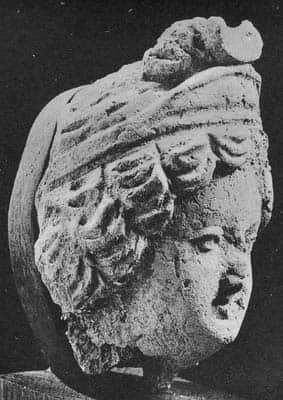
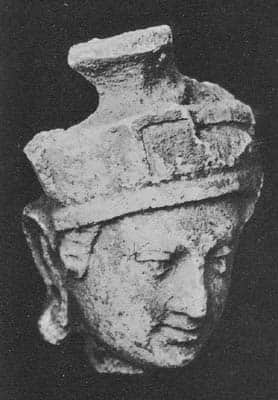
The database itself leaves these records open: their titles hesitate between several figures. They are part of the lesson: identifying means weighing clues.
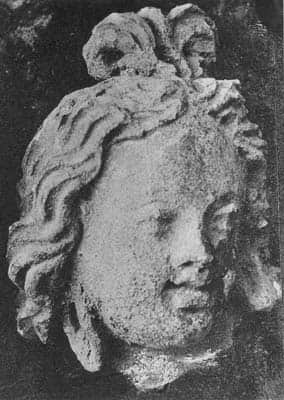
HADB 78
梵天或年轻婆罗门头像
灰泥 · 塔帕·卡兰
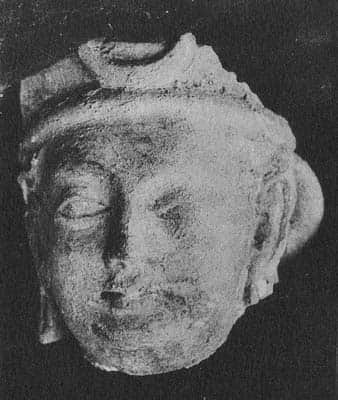
HADB 129
因陀罗或菩萨头像
灰泥 · 塔帕-伊-卡法里哈
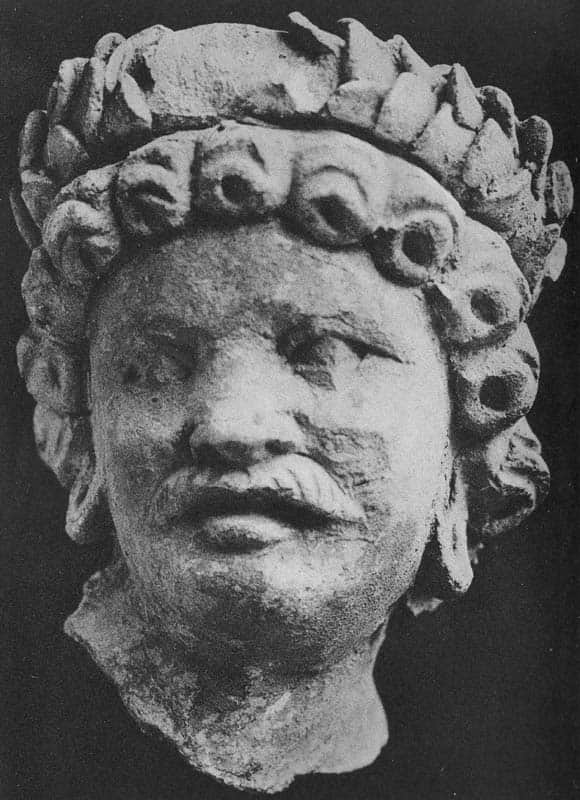
HADB 133
施主或因陀罗头像
灰泥 · 巴格盖
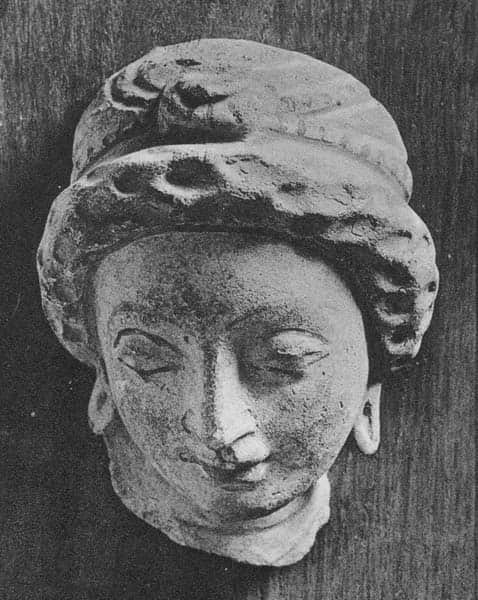
HADB 134
女施主或神灵头像
灰泥 · 巴格盖
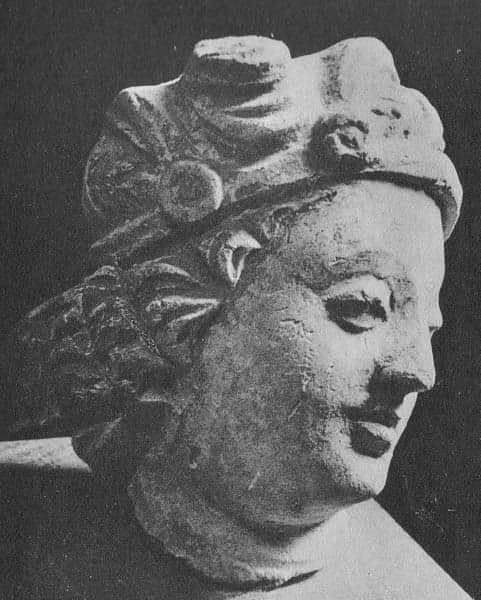
HADB 253
因陀罗或菩萨头像
灰泥 · 塔帕-伊-卡法里哈
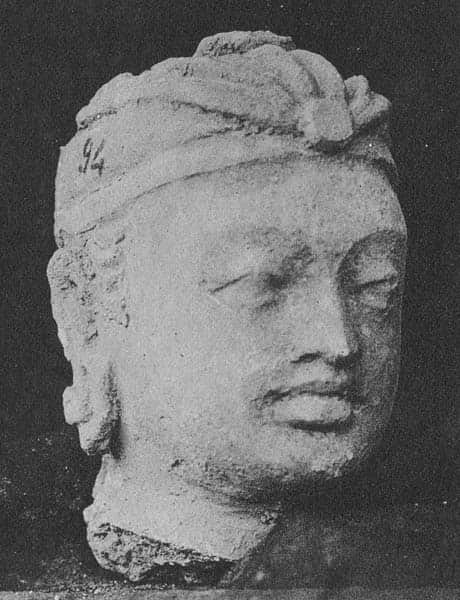
HADB 254
因陀罗或菩萨头像
灰泥 · 塔帕·卡兰
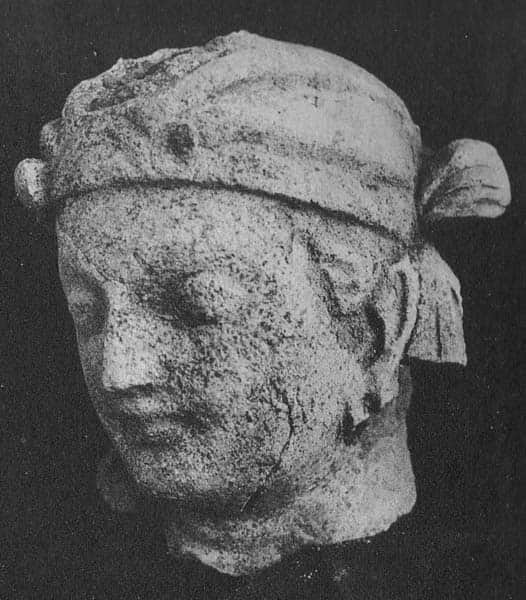
HADB 255
因陀罗或菩萨头像
灰泥 · 塔帕·卡兰
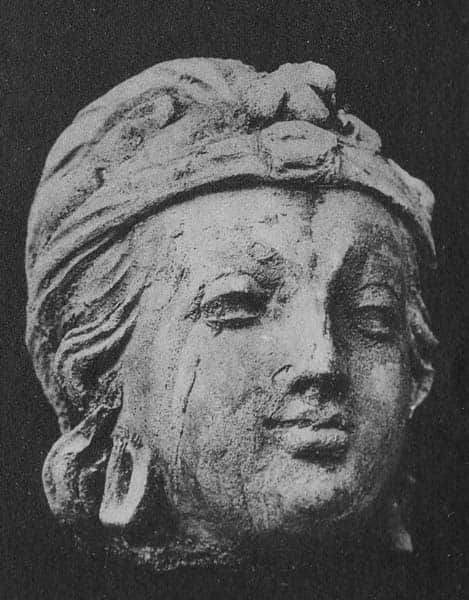
HADB 256
因陀罗或菩萨头像
灰泥 · 普拉特斯
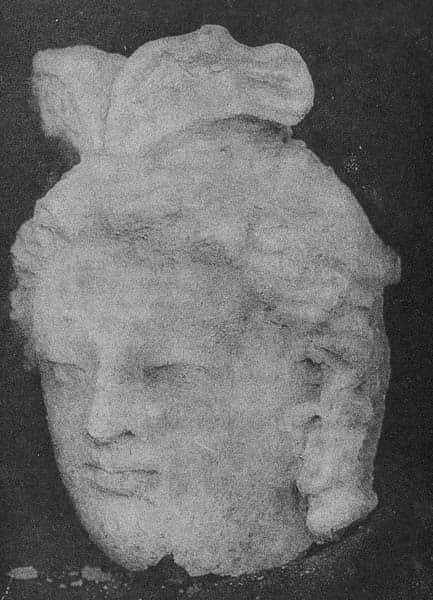
HADB 257
因陀罗或菩萨头像
灰泥 · 塔帕·卡兰
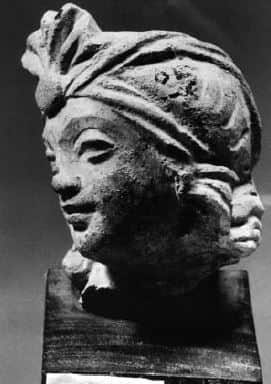
HADB 258
因陀罗或菩萨头像
灰泥 · 塔帕·卡兰
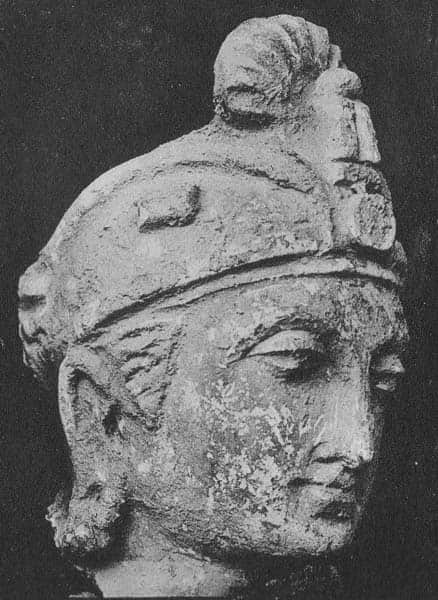
HADB 259
因陀罗或菩萨头像
灰泥 · 塔帕-伊-卡法里哈
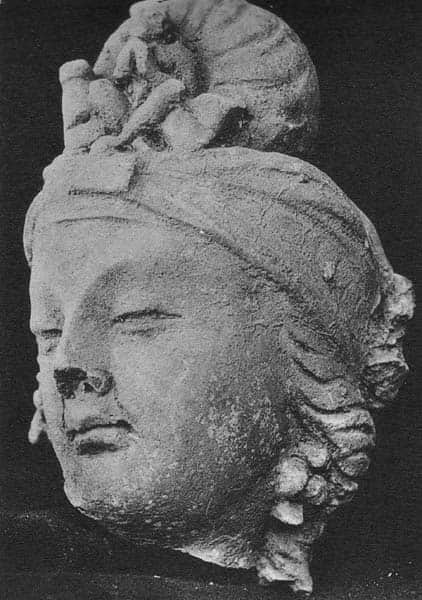
HADB 260
因陀罗或菩萨/观世音菩萨头像
灰泥 · 塔帕·卡兰
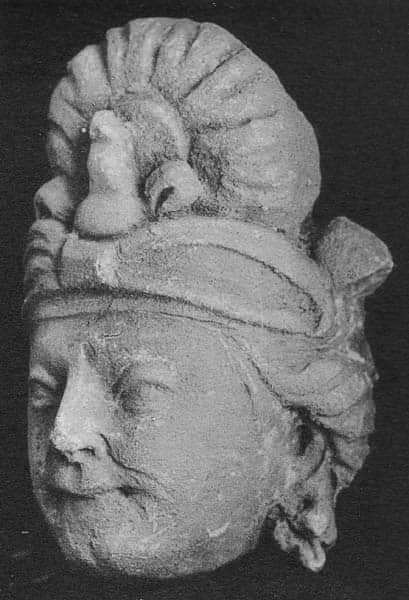
HADB 261
因陀罗或菩萨头像
灰泥 · 塔帕·卡兰
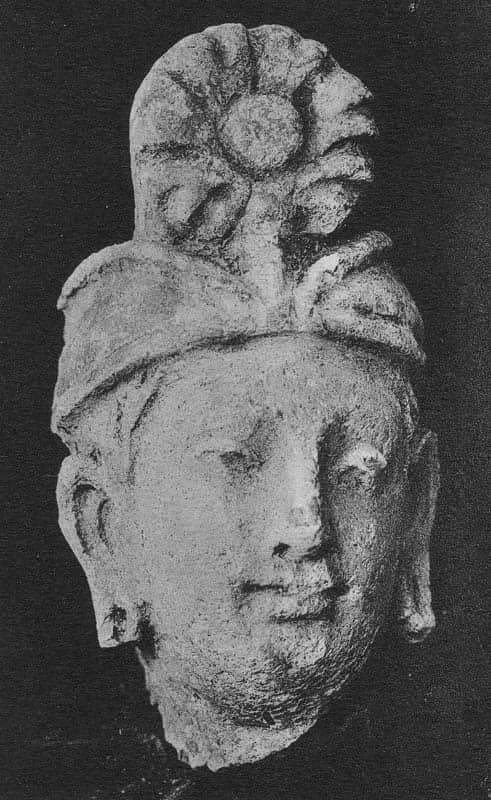
HADB 262
因陀罗或菩萨头像
灰泥 · 塔帕·卡兰
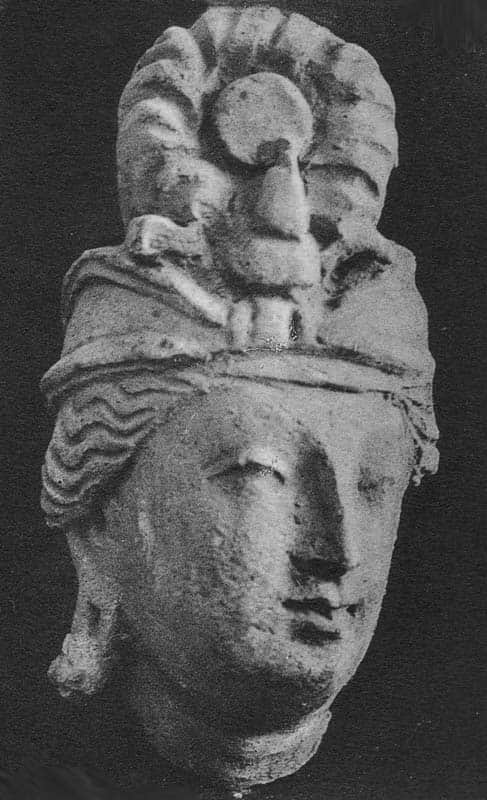
HADB 263
因陀罗或菩萨头像
灰泥 · 塔帕·卡兰
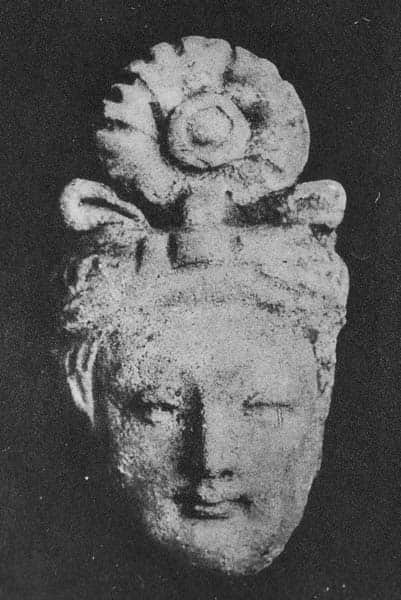
HADB 264
因陀罗或菩萨头像
灰泥 · 塔帕·卡兰
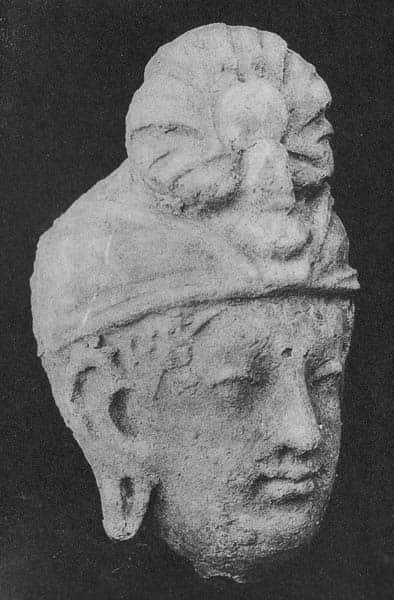
HADB 265
因陀罗或菩萨头像
灰泥 · 位置不详
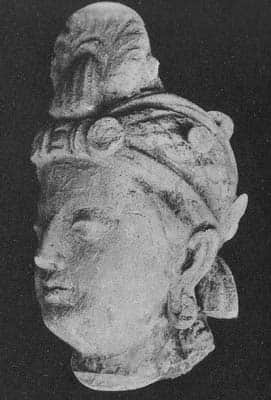
HADB 266
因陀罗或菩萨头像
灰泥 · 巴格盖
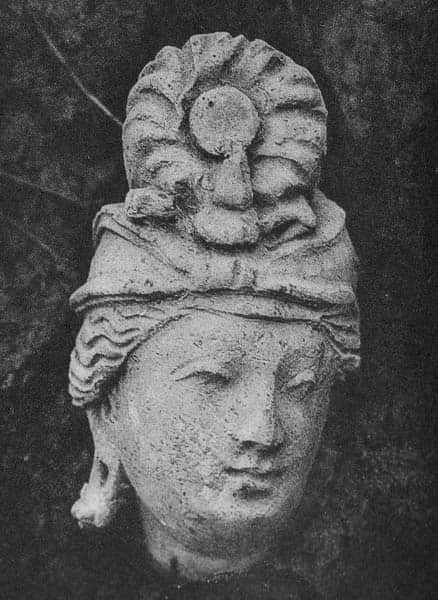
HADB 267
因陀罗或菩萨头像
灰泥 · 位置不详
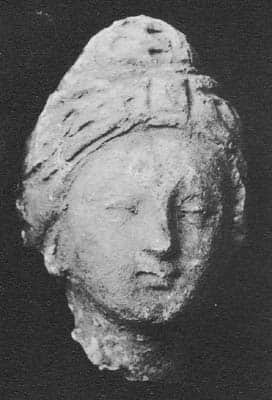
HADB 268
因陀罗或菩萨头像
灰泥 · 位置不详
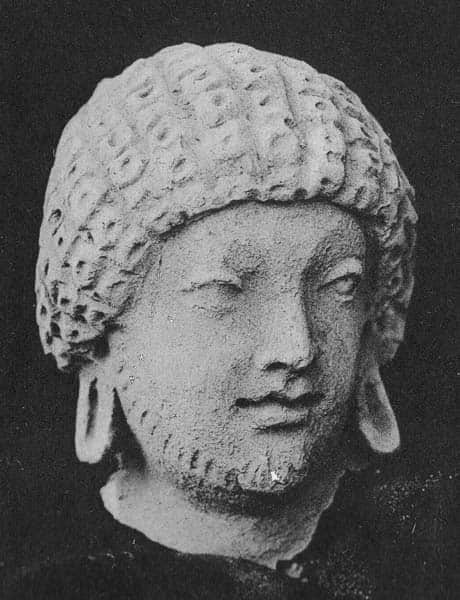
HADB 269
因陀罗或施主头像
灰泥 · 塔帕·卡兰
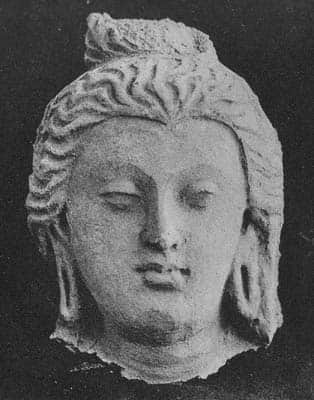
HADB 270
梵天或年轻婆罗门
灰泥 · 塔帕·卡兰
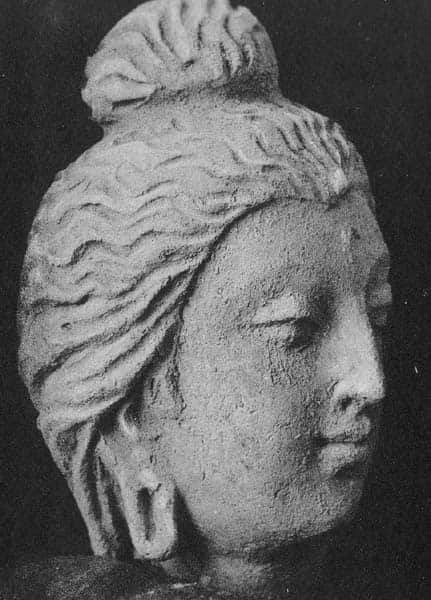
HADB 271
梵天或年轻婆罗门头像
灰泥 · 塔帕·卡兰
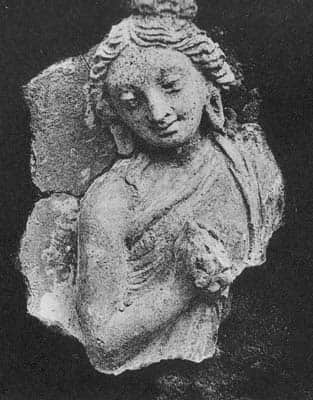
HADB 272
梵天或年轻婆罗门半身像
灰泥 · 塔帕·卡兰
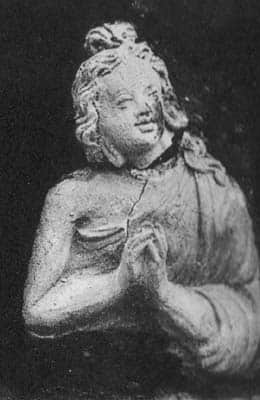
HADB 273
梵天或年轻婆罗门半身像
灰泥 · 塔帕·卡兰
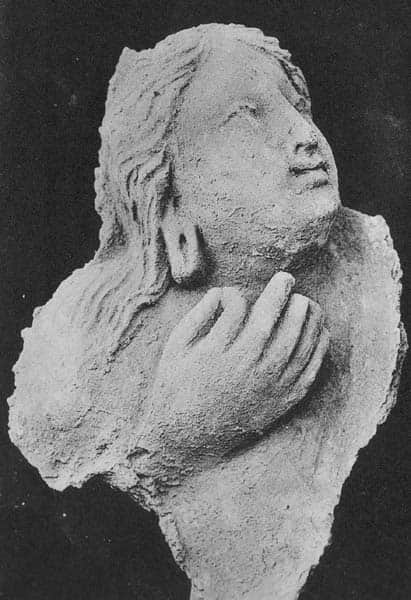
HADB 274
梵天或年轻婆罗门头像
灰泥 · 塔帕·卡兰
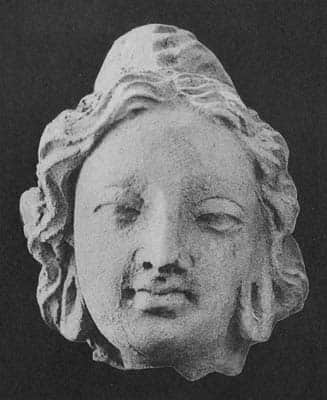
HADB 275
梵天或年轻婆罗门头像
灰泥 · 塔帕·卡兰
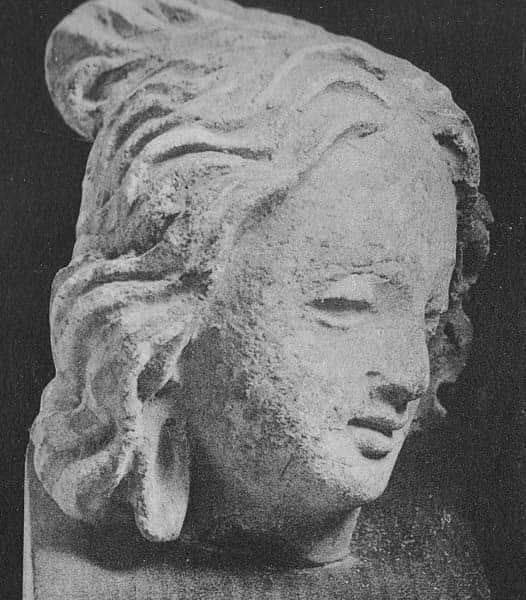
HADB 276
梵天或年轻婆罗门头像
灰泥 · 德希·古恩迪
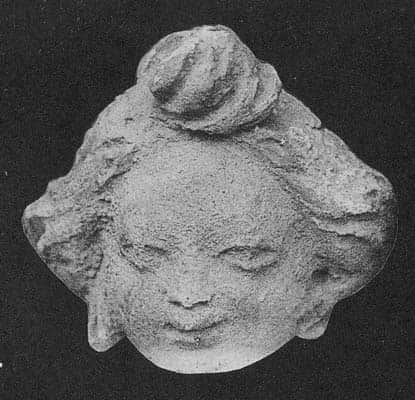
HADB 277
梵天或年轻婆罗门头像
灰泥 · 塔帕-伊-卡法里哈
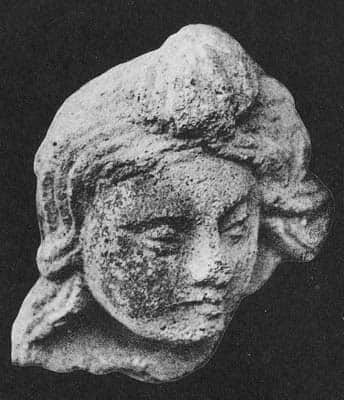
HADB 278
梵天或年轻婆罗门头像
灰泥 · 塔帕-伊-卡法里哈
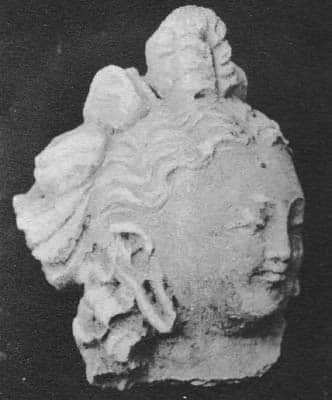
HADB 279
梵天或年轻婆罗门头像
灰泥 · 塔帕·卡兰
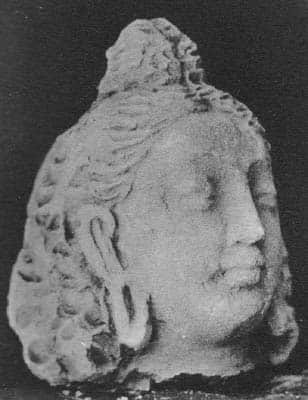
HADB 280
梵天或年轻婆罗门头像
灰泥 · 塔帕·卡兰
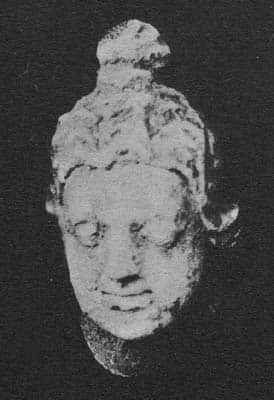
HADB 281
梵天或年轻婆罗门头像
灰泥 · 塔帕-伊-卡法里哈
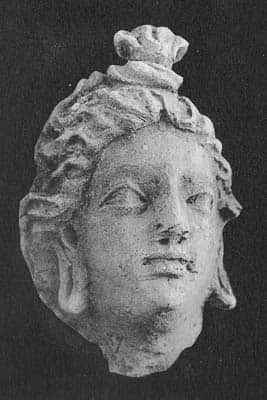
HADB 282
梵天或年轻婆罗门头像
灰泥 · 塔帕·卡兰
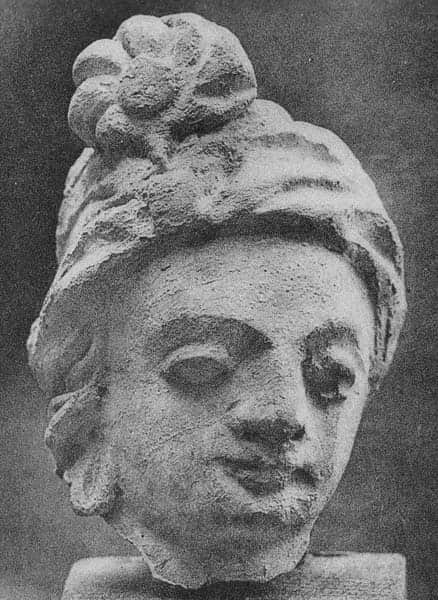
HADB 283
梵天、年轻婆罗门或菩萨头像
灰泥 · 巴格盖
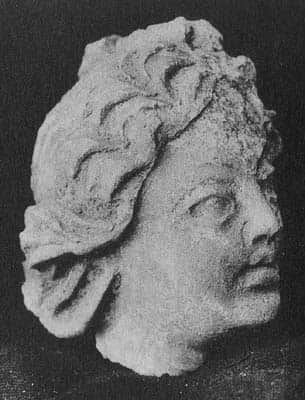
HADB 284
梵天或年轻婆罗门头像
灰泥 · 恰希尔·古恩迪
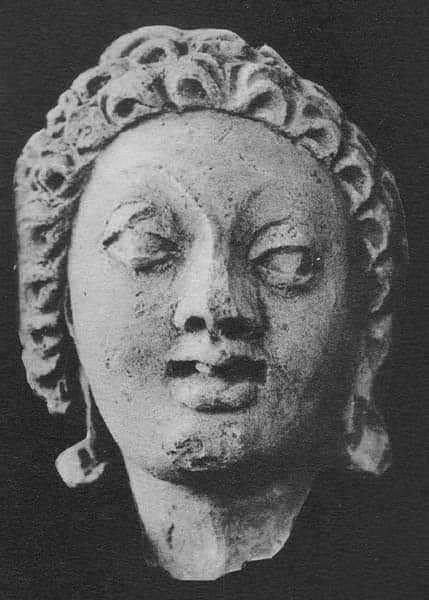
HADB 285
梵天或年轻婆罗门头像
灰泥 · 塔帕·卡兰
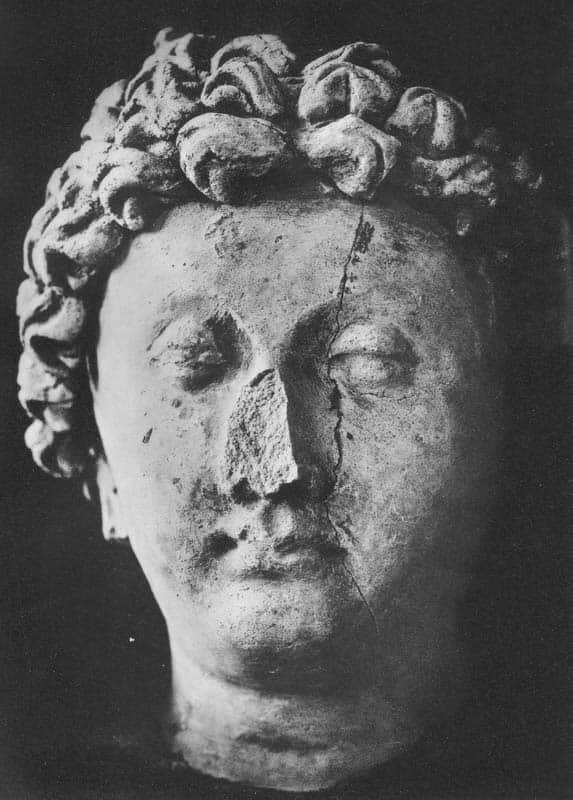
HADB 286
梵天、年轻婆罗门或菩萨头像
灰泥 · 塔帕·卡兰
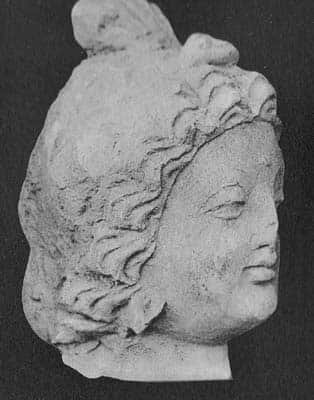
HADB 287
梵天、年轻婆罗门或菩萨头像
灰泥 · 普拉特斯
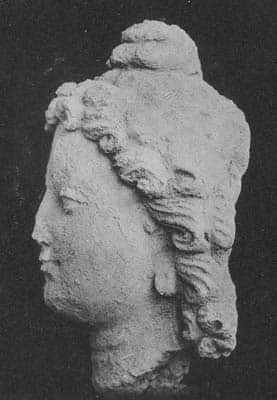
HADB 288
梵天或年轻婆罗门头像
灰泥 · 塔帕-伊-卡法里哈
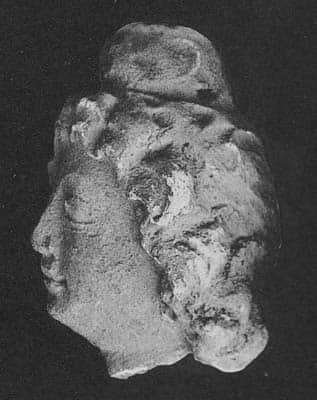
HADB 289
梵天或年轻婆罗门头像
灰泥 · 巴格盖
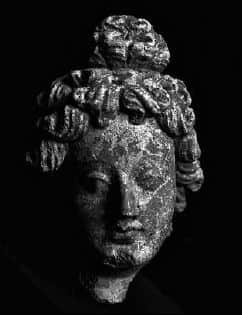
HADB 290
梵天或年轻婆罗门头像
灰泥 · 塔帕-伊-卡法里哈
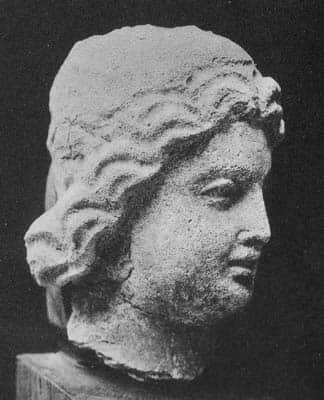
HADB 291
梵天或年轻婆罗门头像
灰泥 · 塔帕-伊-卡法里哈
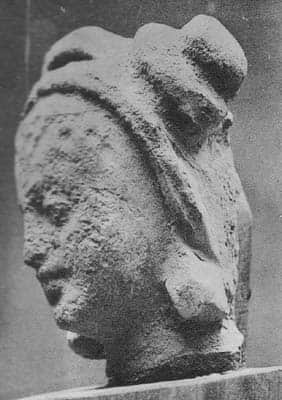
HADB 332
女施主或神灵头像
灰泥 · 塔帕·卡兰
Related figures in the database
- The secondary deities of the decors: with a spear, linked to the winds, playing music Search “divinité” in the database
This figure in the tours
Guided tours of the database include several works of this figure.