The Haḍḍa School of Art: Iconographic Markers
The genius
15 works · + 2 debated
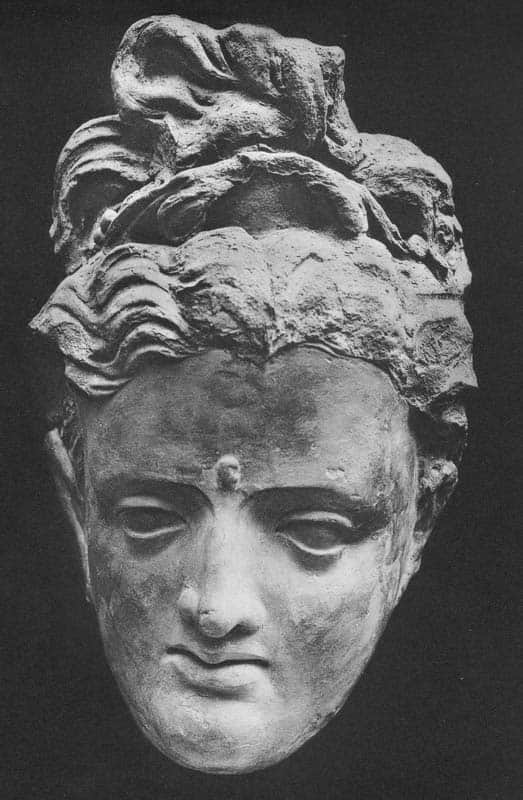
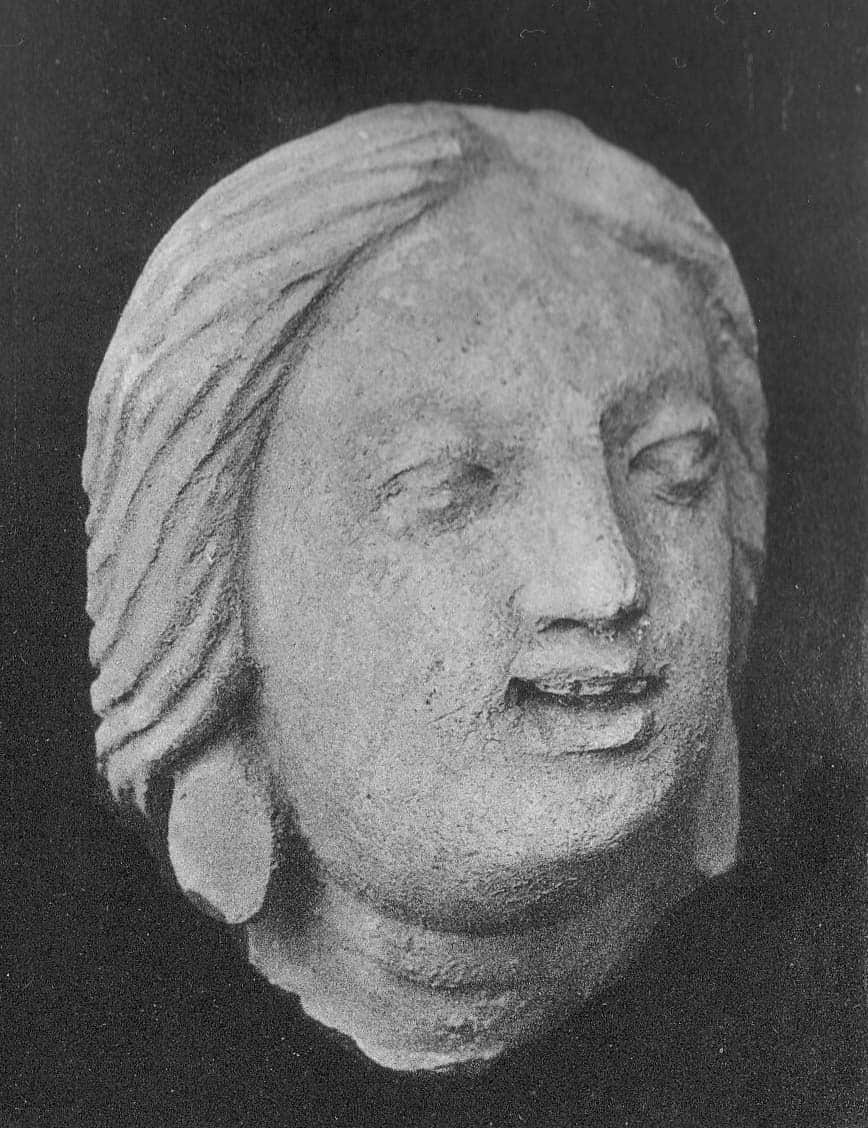
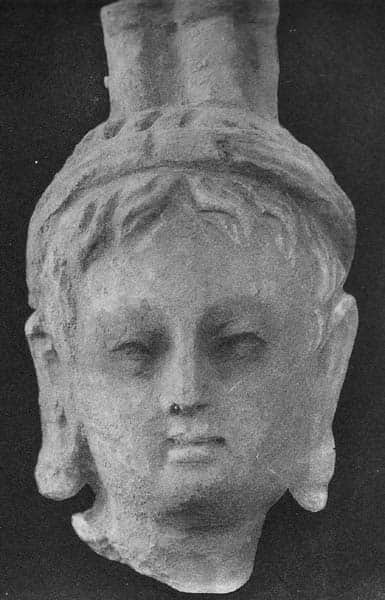
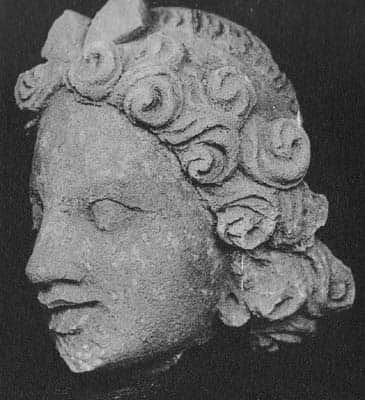
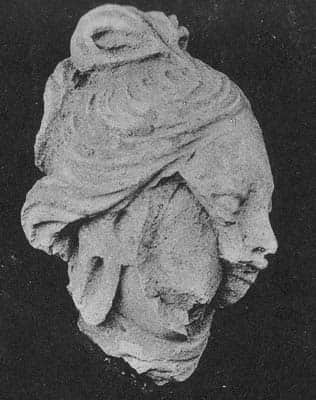
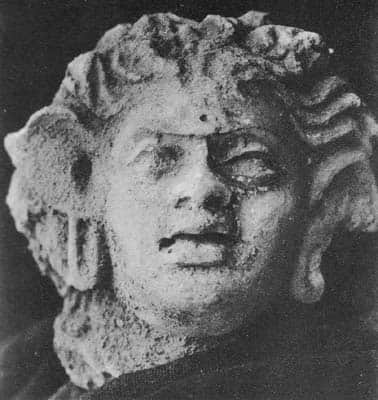
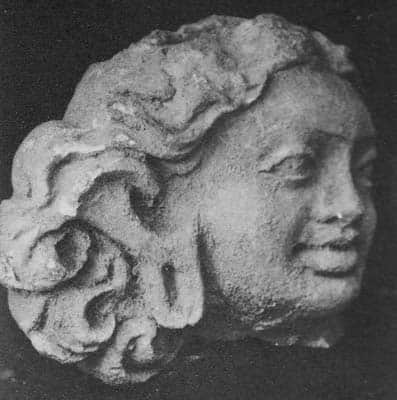
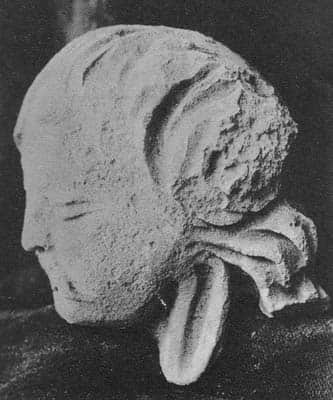
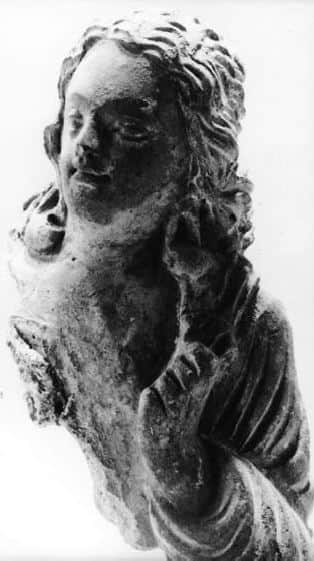
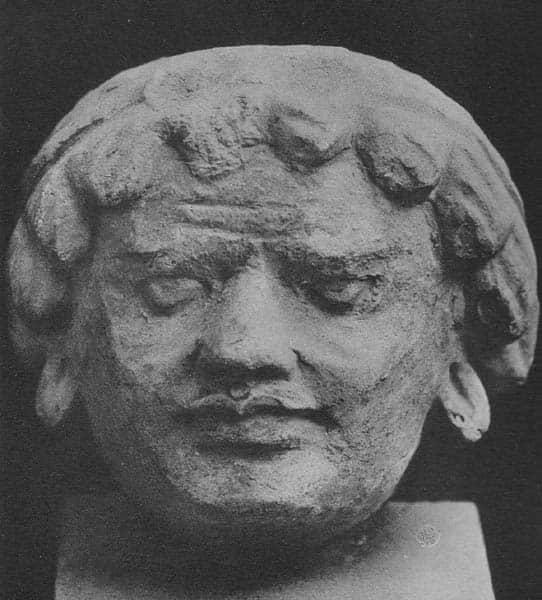
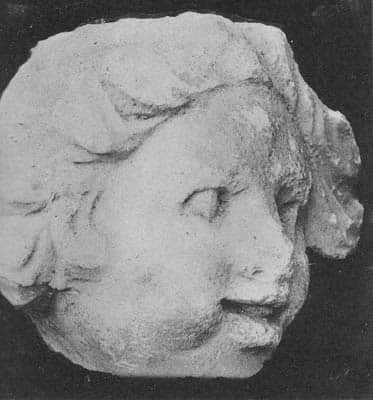
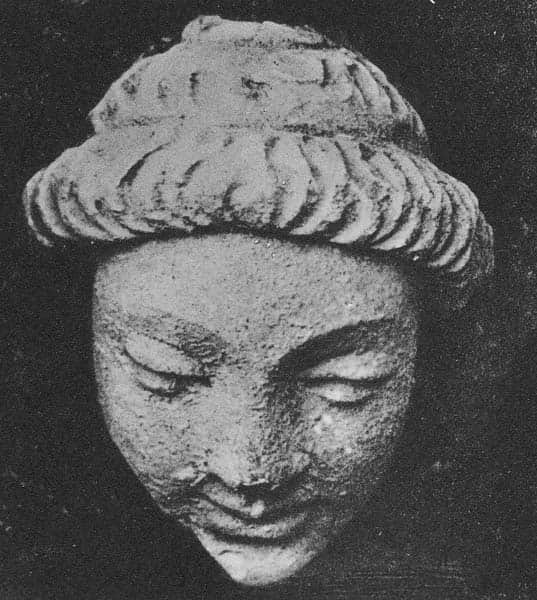
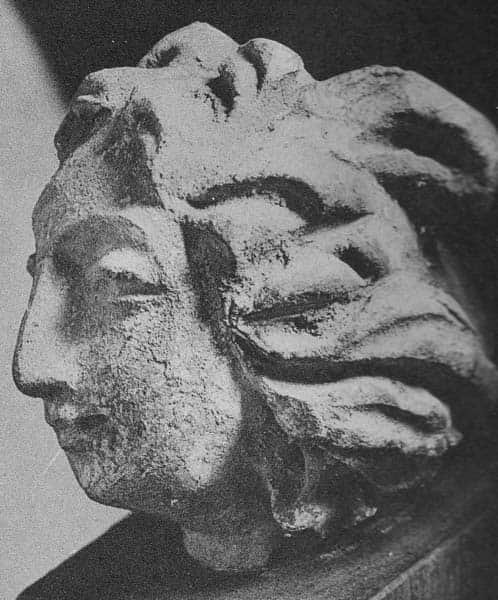
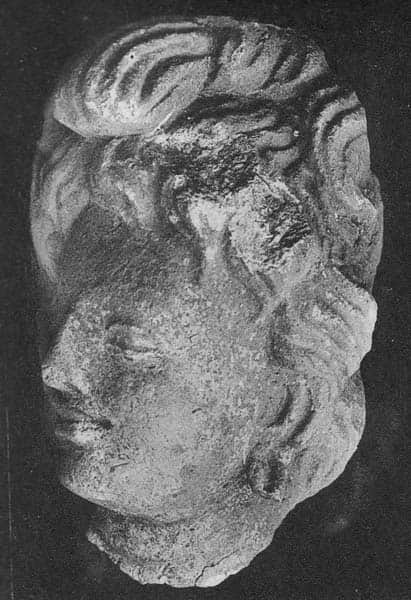
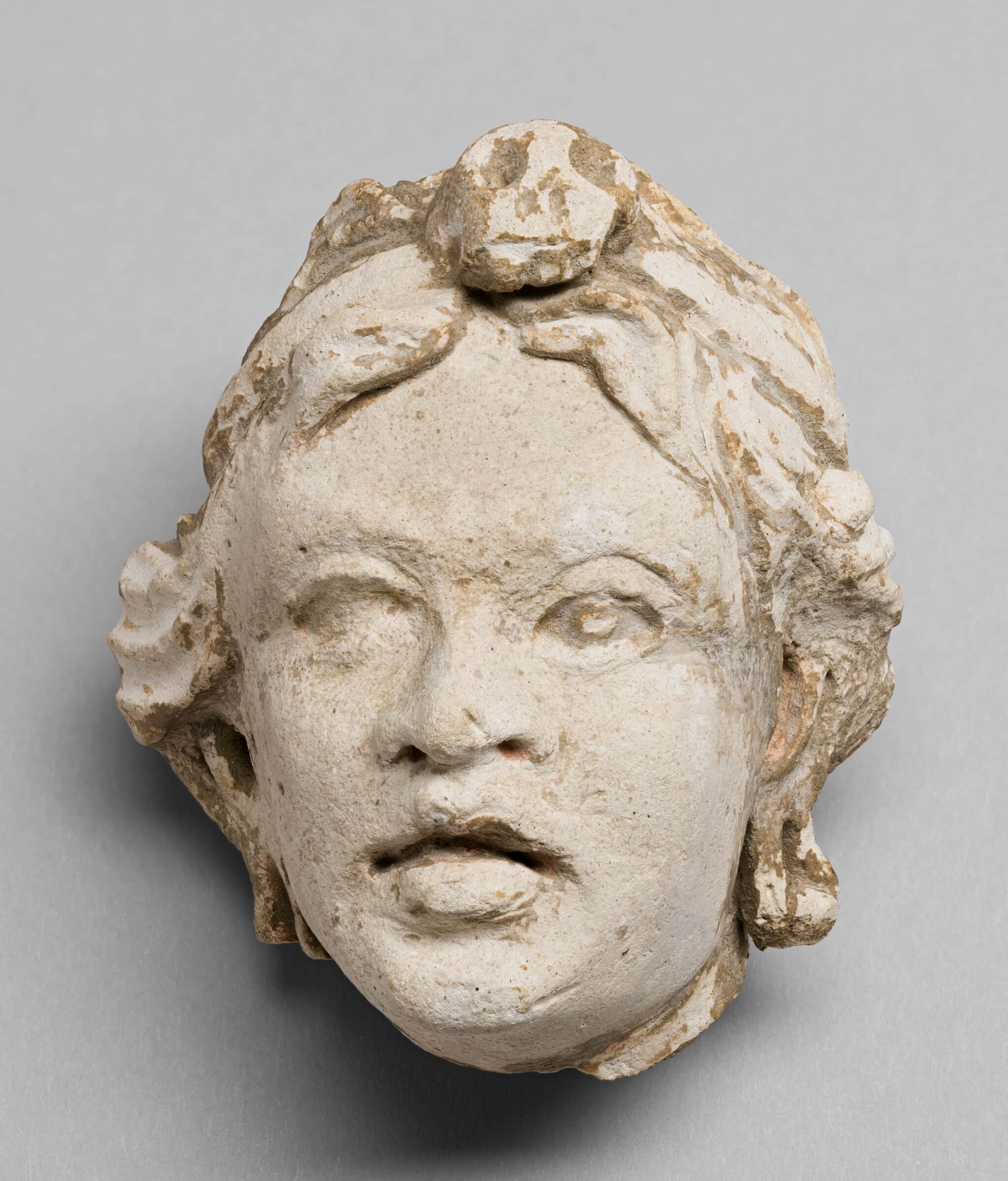
A youthful figure with fine, almost feminine features: twisted curls, “a kind of short ringlets”, framing the face, a simple headband, a knotted turban or a crown inlaid with gems. The most famous, the Genius with Flowers studied by Alfred Foucher as early as 1930, was found in a chapel next to stūpa 140 at Tapa Kalān. Alongside them, the database gives room to the goddess Hāritī, her forehead girt with a headband, wearing a square walled enclosure with four corner towers symbolising the City, and to Pāñcika, the god of riches, restored as an atlas holding a cup and a wineskin.
The distinguishing marks
Each mark points to real records that describe it.
Twisted curls, “a kind of short ringlets”, framing the face
Simple headband, knotted turban or gem-set crown
Youthful, idealised face with almost feminine features
Flowers held in hand, attribute of the Genius with Flowers
See in the database: HADB 151
The attributes of Hāritī and Pāñcika: the City worn as headgear, the cup and the wineskin
Three works to learn to look
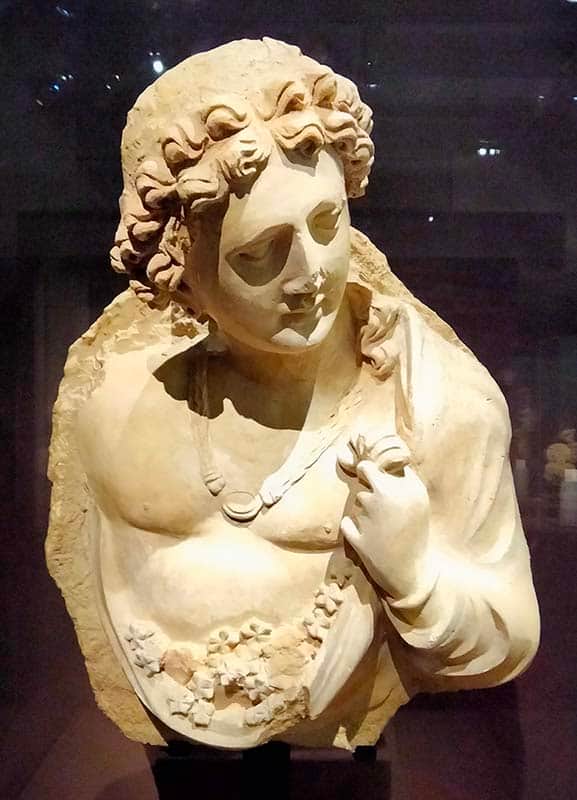
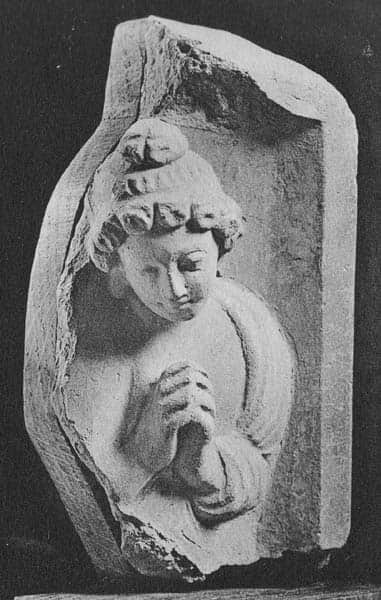
花之精灵是在哈达发现的最著名的作品之一,并成为阿尔弗雷德·富歇的一篇文章的主题(富歇,1930年)。它是在佛塔 140附近的一座小教堂中发现的。在这座支提的深处,在一个平台上,矗立着一尊行走的佛陀(估计高约220厘米),周围环绕着两尊90至100厘米的其他雕像,分别放置在每个角落。在与花精灵对称放置的墙上,有另一个半身像,一个处于合掌印的祈祷者,在铸造时倒塌了。
古代文献报道,一些神只显现到身体的一半,艺术家们可能希望在这里说明这一点。这位精灵用右手(现已失落)从他乌塔里亚的褶皱中抽取了一整批花朵,由另一只手握住,以便在佛陀身上撒下花瓣。赤裸上身,他佩戴着一条由大链条制成的项链,其中镶嵌着一个椭圆形奖章。尽管这件作品具有卓越的品质,但似乎不是一个特定的、可识别的精灵的作品。在这个场景中,他属于虔诚的"助手"队伍,佛教艺术家用绘画或浮雕覆盖他们的背景。他是众多精灵中的一个,一个天子(神之子),某种神圣的存在。他没有相、标志或属性可以将他归类于伟大的神灵之中。他作为投花祈祷者的角色总是赋予普通精灵。
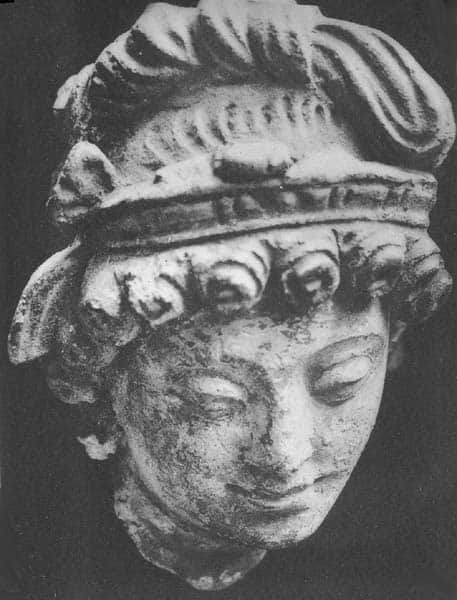
这个头像细腻精致的特征增添了其女性气质。印度类型的面容被扭曲的卷发环绕,类似于某种螺旋装饰。
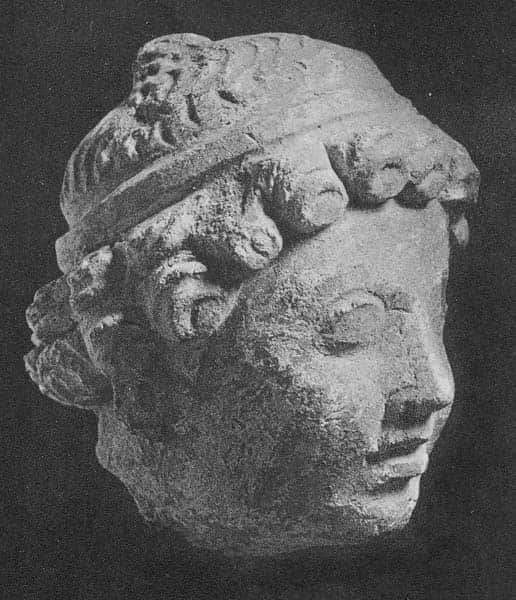
这位精灵的面容理想化,睁开的眼睛和圆润的脸颊使形象显得孩童般。头发由简单的发带固定,被处理成卷发。
Not to be confused with
All identified works
塔帕·卡兰8 works
Debated identifications
The database itself leaves these records open: their titles hesitate between several figures. They are part of the lesson: identifying means weighing clues.
Related figures in the database
- Gandharva, Garuḍa, Nāga and other celestial beings of the database Search “Gandharva” in the database
This figure in the tours
Guided tours of the database include several works of this figure.
In the identification key
The observation paths that lead to this figure in the questionnaire. Each path can be replayed.