The Haḍḍa School of Art: Iconographic Markers
The genius
15 works · + 2 debated
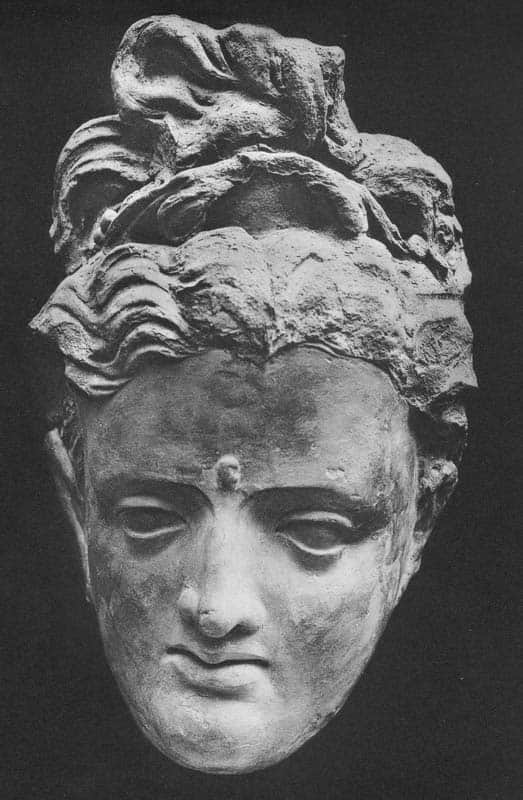
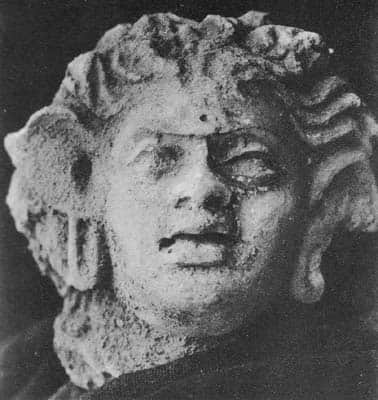
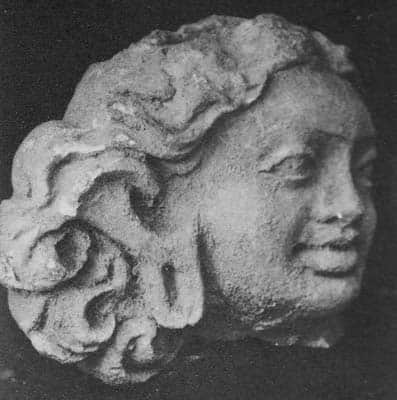
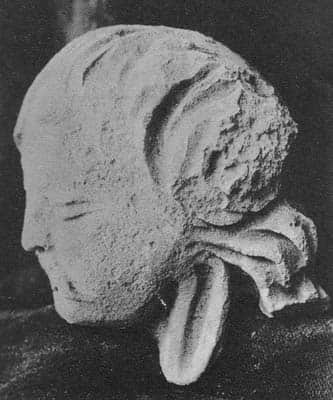
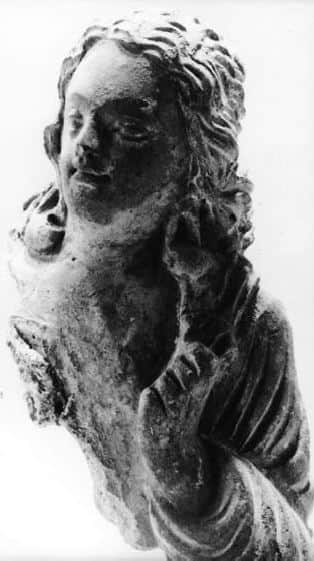
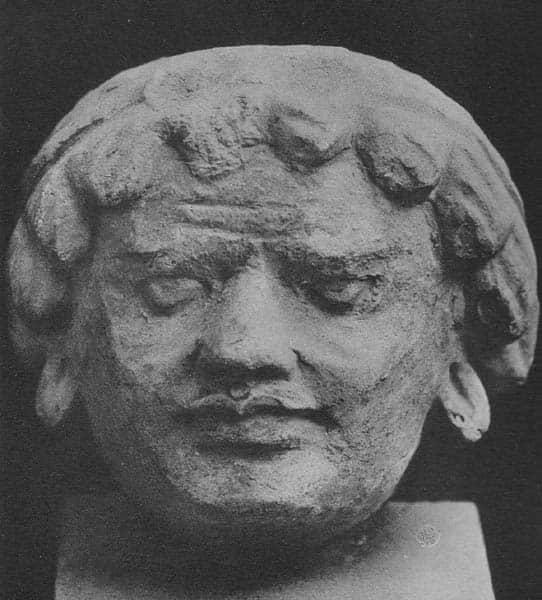
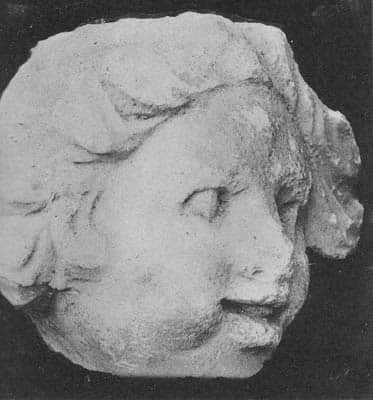
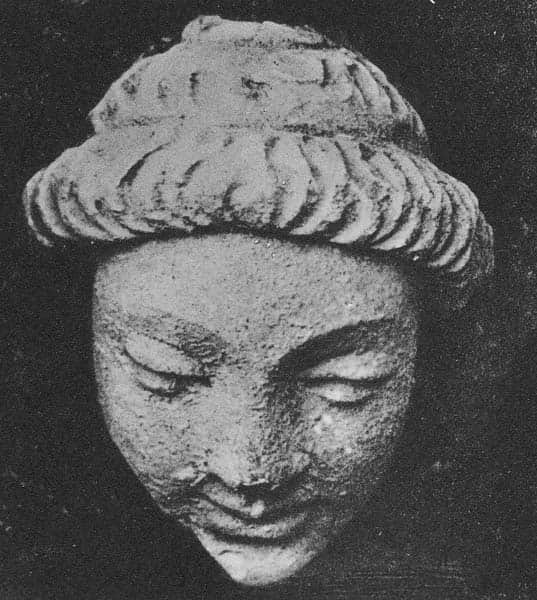
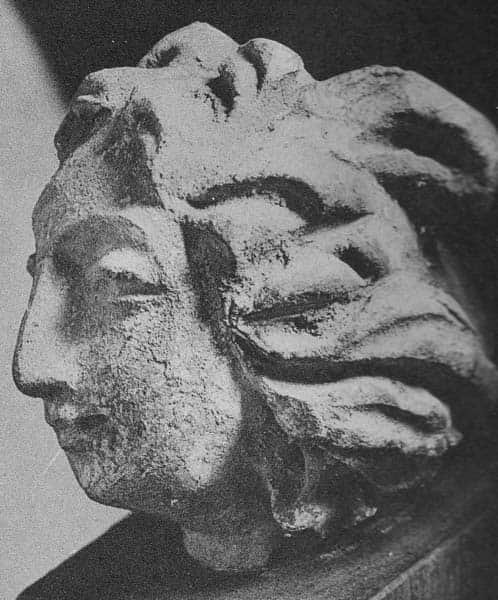
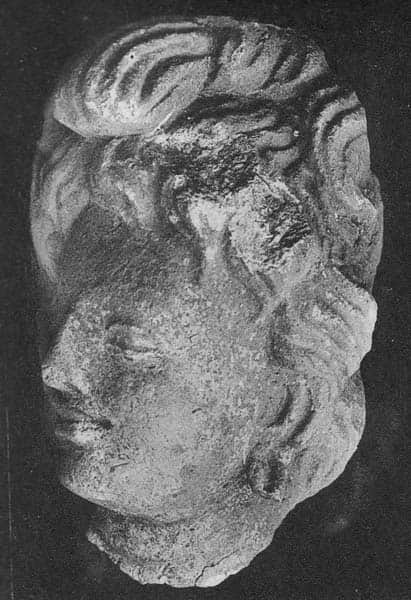
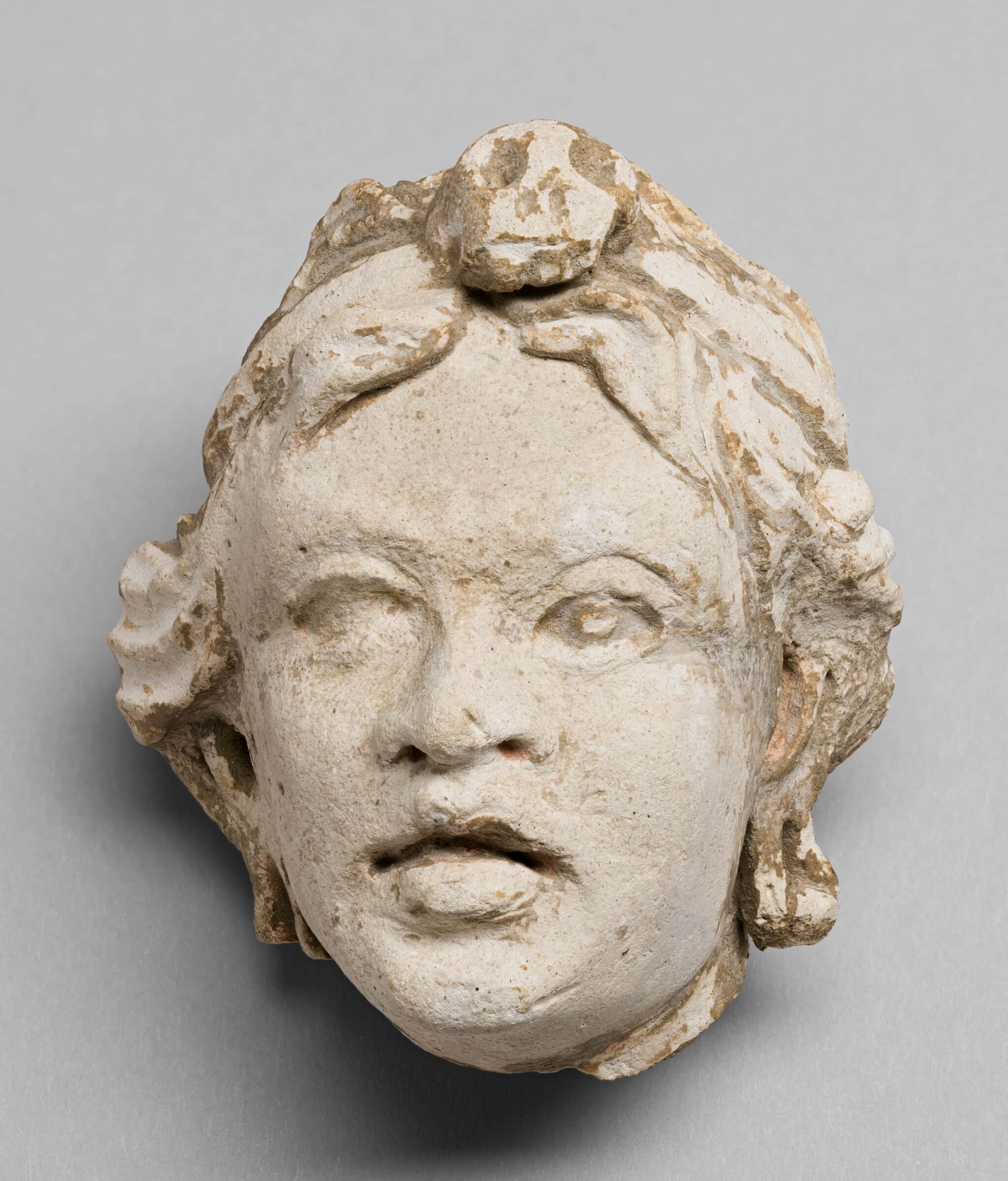
A youthful figure with fine, almost feminine features: twisted curls, “a kind of short ringlets”, framing the face, a simple headband, a knotted turban or a crown inlaid with gems. The most famous, the Genius with Flowers studied by Alfred Foucher as early as 1930, was found in a chapel next to stūpa 140 at Tapa Kalān. Alongside them, the database gives room to the goddess Hāritī, her forehead girt with a headband, wearing a square walled enclosure with four corner towers symbolising the City, and to Pāñcika, the god of riches, restored as an atlas holding a cup and a wineskin.
The distinguishing marks
Each mark points to real records that describe it.
Twisted curls, “a kind of short ringlets”, framing the face
Simple headband, knotted turban or gem-set crown
Youthful, idealised face with almost feminine features
Flowers held in hand, attribute of the Genius with Flowers
See in the database: HADB 151
The attributes of Hāritī and Pāñcika: the City worn as headgear, the cup and the wineskin
Three works to learn to look
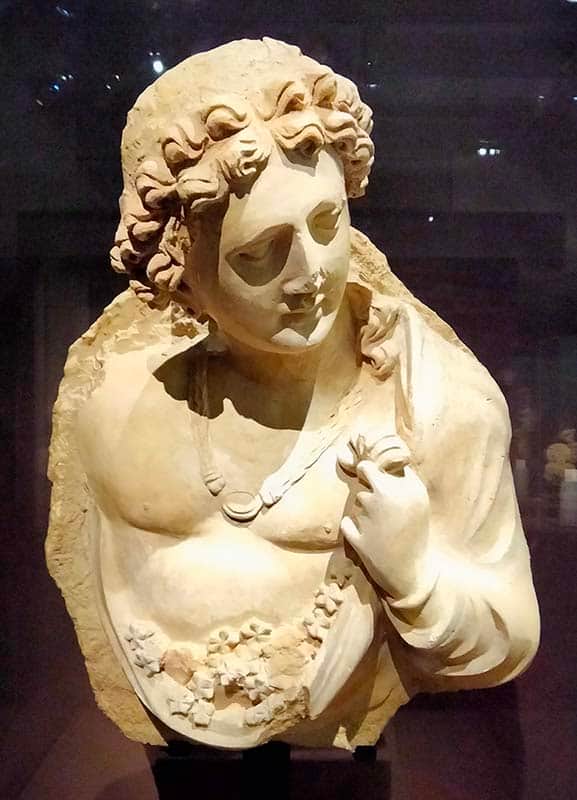
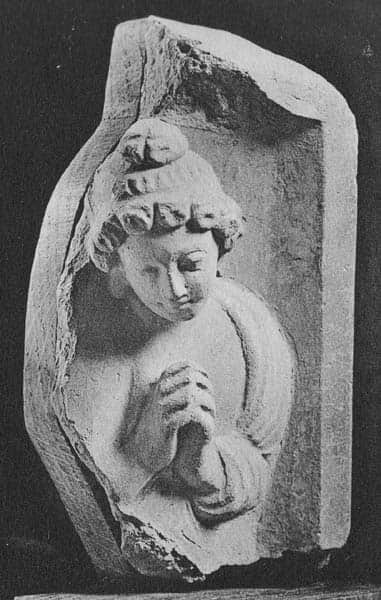
نبوغ گلها یکی از مشهورترین آثار یافت شده در هدا است و موضوع مقالهای توسط آلفرد فوشه بوده است (فوشه، ۱۹۳۰). این اثر در یک کلیسای کوچک در نزدیکی استوپا ۱۴۰ کشف شد. در عمق این چایتیا، بر روی یک سکو، یک بودا در حال راه رفتن (ارتفاع تخمینی حدود ۲۲۰ سانتیمتر) قرار داشت که توسط دو مجسمه دیگر به ارتفاع ۹۰ تا ۱۰۰ سانتیمتر احاطه شده بود که در هر گوشه قرار داشتند. بر روی دیوار که به طور متقارن نسبت به نبوغ گلها قرار داشت، نیمتنه دیگری، یک نمازگزار در آنجالیمودرا وجود داشت که هنگام قالبگیری فروریخت.
متون باستانی گزارش میدهند که برخی از خدایان فقط تا نیمه بدن خود را نمایان میکردند، چیزی که هنرمندان احتمالاً در اینجا خواستهاند نشان دهند. این نبوغ با دست راست خود (که اکنون از بین رفته) تمام مقدار گلهای موجود در سینوس اوتاریا خود را که توسط دست دیگرش نگه داشته شده بود، برداشت تا گلبرگها را بر روی بودا ببارند. او با سینه برهنه، گردنبندی از یک زنجیر بزرگ میپوشد که یک مدالیون بیضی شکل در آن جاسازی شده است. اگرچه این اثر از کیفیت استثنایی برخوردار است، به نظر نمیرسد که نبوغ خاص و قابل شناسایی باشد. در این صحنهآرایی، او به گروه پرستشکنندگان «کمکی» تعلق دارد که هنرمندان بودایی زمینه تابلوها یا نقشبرجستهها را با آنها پوشاندهاند. او یک نبوغ در میان بسیاری دیگر است، یک دواپوترا (پسر خدا)، یک موجود الهی. او هیچ لاکشانا، نشانه یا ویژگیای ندارد که بتواند او را در میان خدایان بزرگ طبقهبندی کند. نقش او به عنوان یک نمازگزار پرتابکننده گل همیشه به نبوغهای معمولی اختصاص داده میشود.
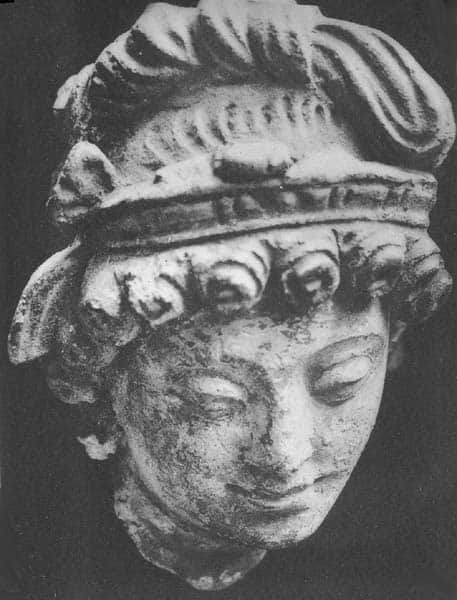
ویژگیهای ظریف و لطیف این سر به خصلت زنانه آن میافزاید. چهره از نوع هندی، با حلقههای پیچیده احاطه شده است، نوعی تزیین مارپیچی.
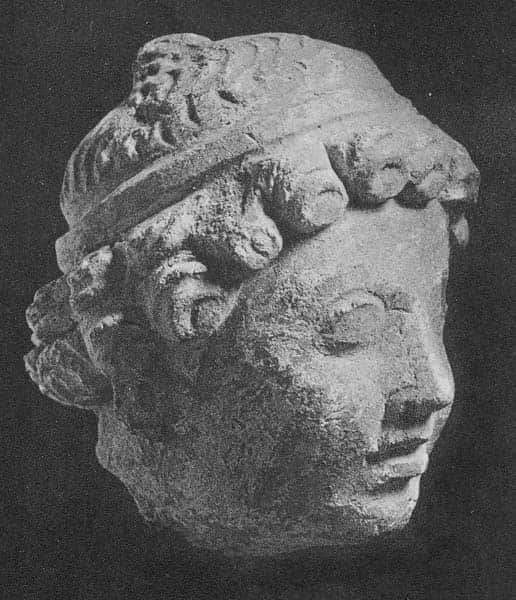
چهره این روح ایدهآل شده، چشمهای باز و گونههای گرد به شکل ظاهری کودکانه میدهد. موها با نوار سادهای نگه داشته شدهاند. موها به صورت حلقهای پرداخته شدهاند.
Not to be confused with
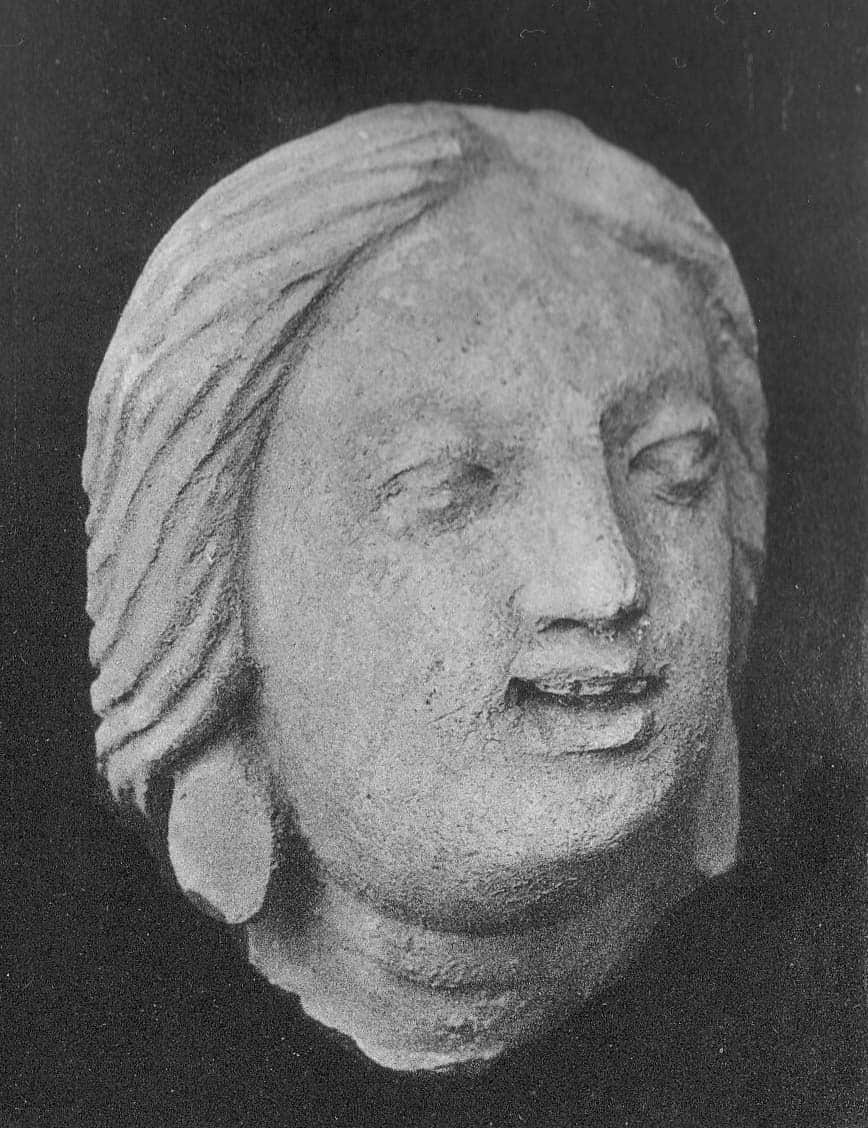
All identified works
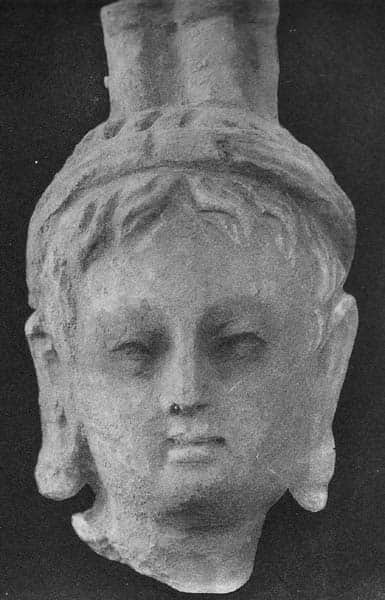
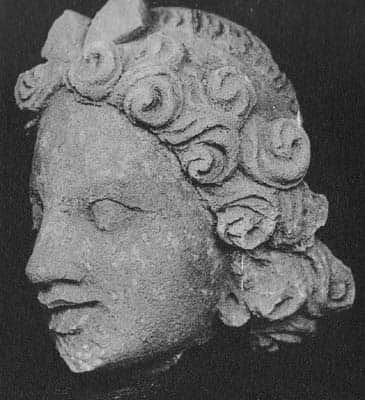
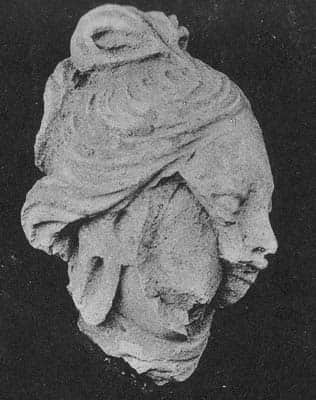
Debated identifications
The database itself leaves these records open: their titles hesitate between several figures. They are part of the lesson: identifying means weighing clues.
Related figures in the database
- Gandharva, Garuḍa, Nāga and other celestial beings of the database Search “Gandharva” in the database
This figure in the tours
Guided tours of the database include several works of this figure.
In the identification key
The observation paths that lead to this figure in the questionnaire. Each path can be replayed.