The Haḍḍa School of Art: Iconographic Markers
The deity
11 works · + 44 debated
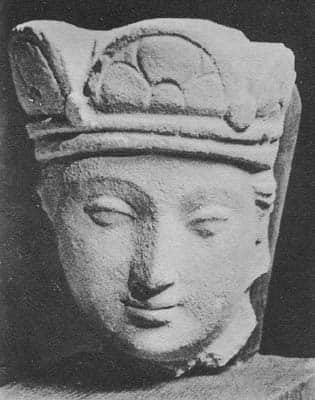
The gods of the Gandhāran pantheon as the records describe them. Indra wears the tall goldsmith's tiara called mukuṭa: bands set with cabochons, semi-circular arches, crowns sometimes topped by a crescent of Iranian inspiration; the face is fine, idealised and smiling, the earlobes distended by heavy pearls. Vajrapāṇi, the Buddha's protector holding the vajra, borrows his features from Bacchus or the silenoi, down to the Phrygian cap. As for the god Brahma, the artists, following the texts, gave him the same appearance as his mortal devotees, the brahmans: the database leaves these heads open.
The distinguishing marks
Each mark points to real records that describe it.
Tall goldsmith's tiara (mukuṭa): bands with cabochons, semi-circular arches
Crown or diadem topped by a crescent, of Iranian or Central Asian inspiration
Fine, idealised, smiling face, distended earlobes
The vajra held or brandished, attribute of Vajrapāṇi
Three works to learn to look
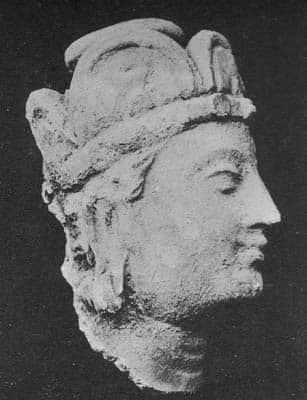
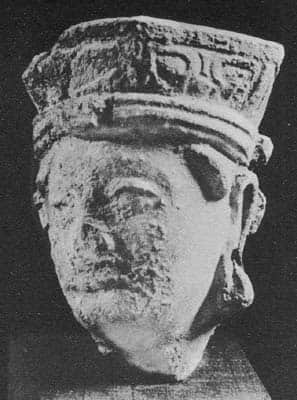
The god Indra is wearing a high goldsmith's tiara called mukuṭa, consisting here of a band decorated with two central cabochons, topped with semicircular arches, certainly originally bearing a motif, and finished with a disc-shaped base. The smiling, idealised face is thin, with a pointed nose. The earlobes are distended and two folds can be seen on the neck.
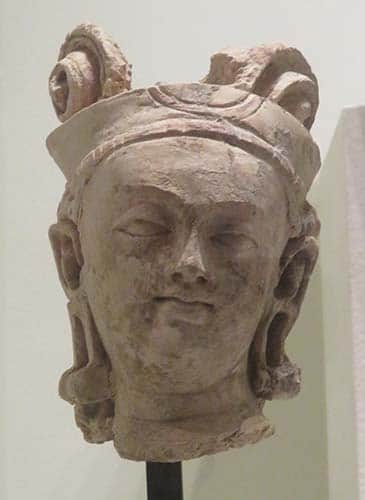
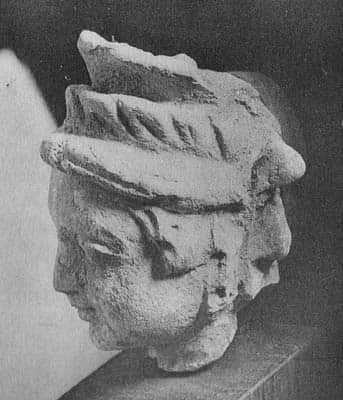
This Indra head bears the mark of a Central Asian inspiration. The complex headdress, composed of a crown surmounted by two coiled spirals, bears an Iranian crescent, possibly Hephtalite. The face has irregular features. Seen in profile, the forehead is exaggeratedly rounded. The half-closed eyes are almond-shaped. The nose is short and pointed, the mouth smiling. The lobes of his ears are elongated by the heavy pearls he was wearing. On the neck, a fold is marked. Barthoux notes traces of red polychromy.
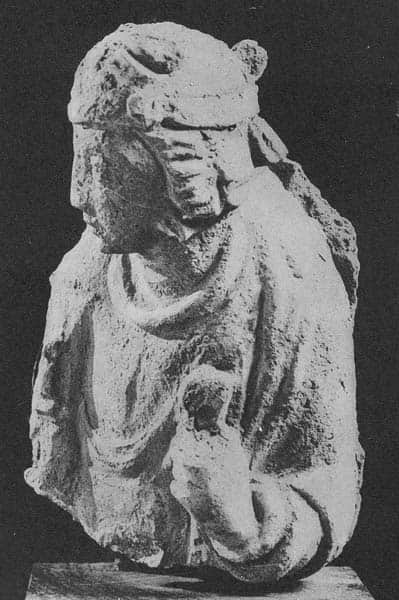
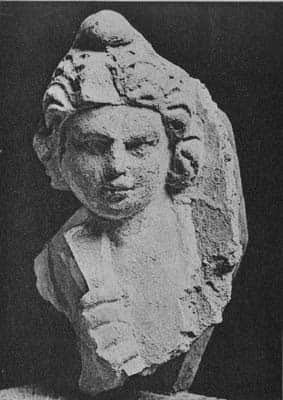
Vajrapāṇi is wearing a turban tied at the back of his head, the edge of which is decorated with a circular medallion. The hair is represented very summarily, as is the face, which is completely idealised. He wears jewellery: a kind of torque and a bracelet. He appears to be wearing the uttarāsaṅga which leaves part of his torso uncovered, and a shawl covers his shoulders. In his left hand he holds the vajra firmly.
Not to be confused with
The Bodhisattva
Following the texts, the artists gave the bodhisattvas the appearance of deities, Indra foremost: 17 records of the database remain between “Indra or Bodhisattva”.
The brahman
The god Brahma bears the appearance of his mortal devotees, the brahmans: 20 records remain between “Brahma or young brahman”.
The donor
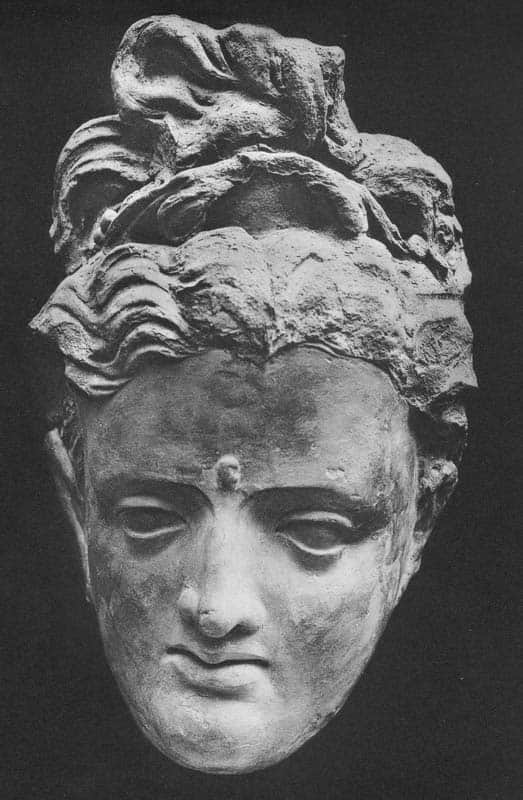
The database twice hesitates between donor and Indra, “depicted in the manner of the donors” (HADB 133, 269), and two female donors remain “female donor or deity” (HADB 134, 332).
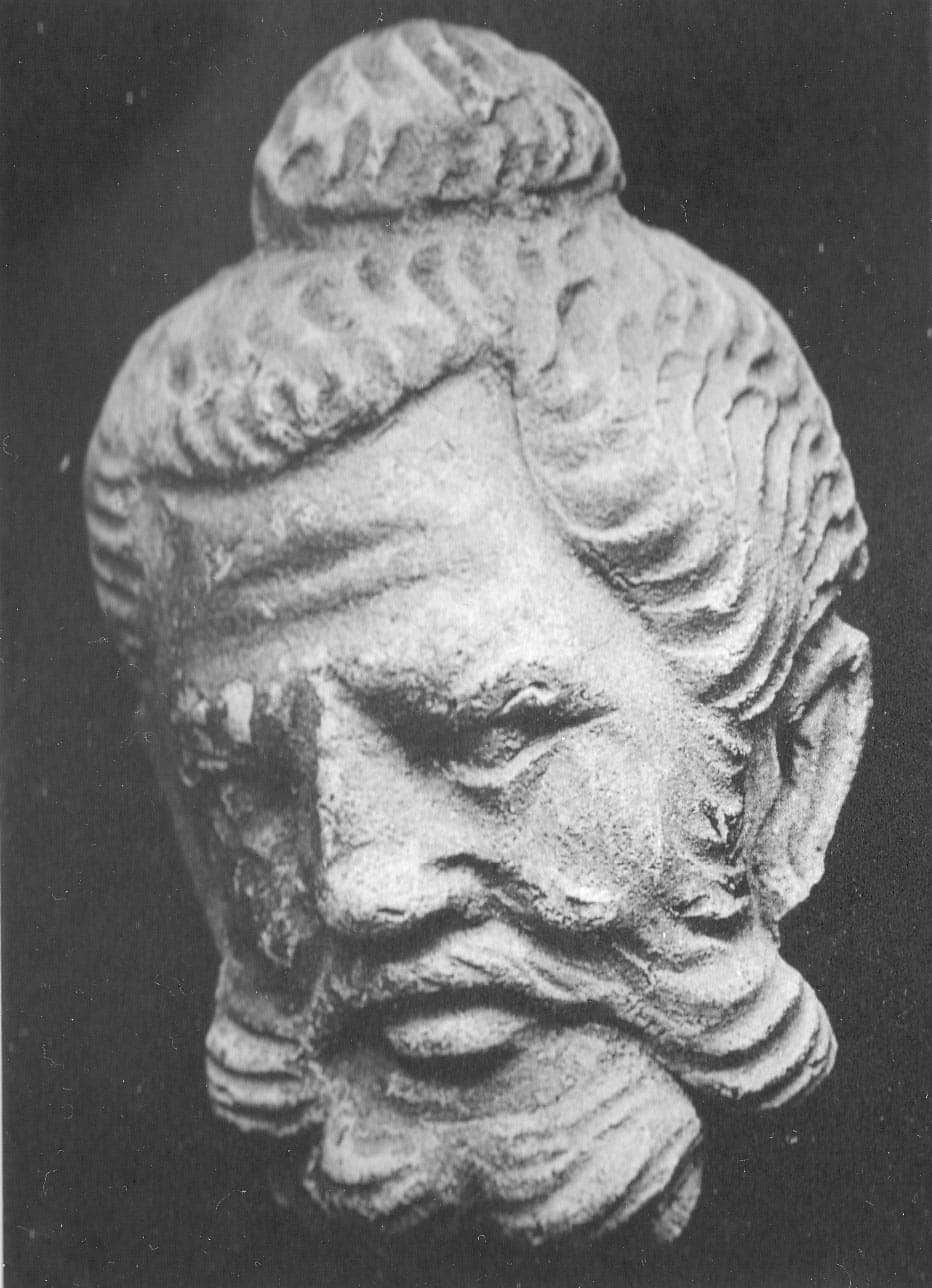
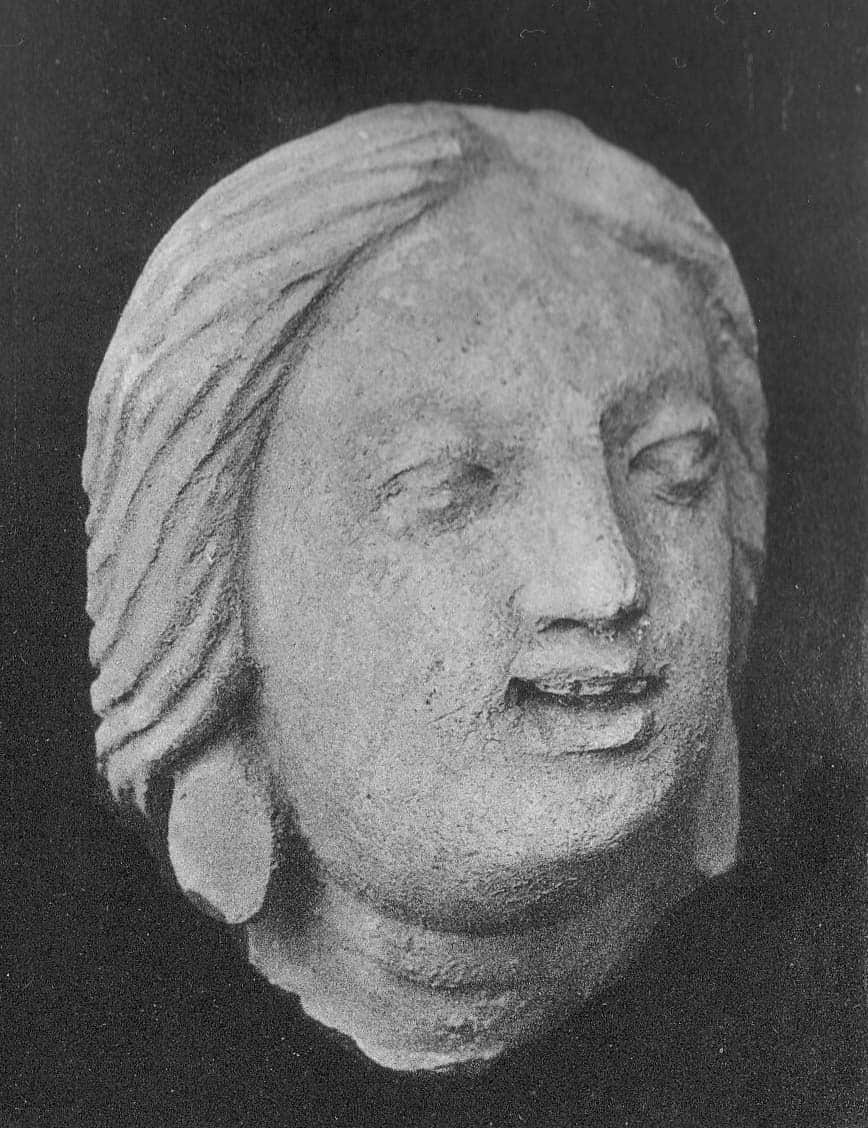
All identified works
Tapa-i Kafarihā5 works
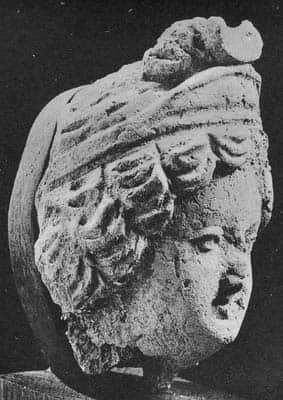
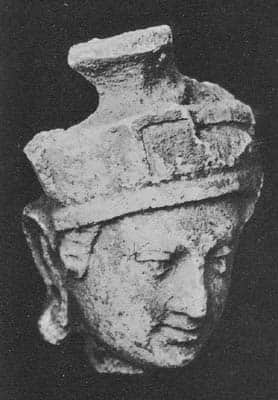
Haḍḍa, lost location2 works
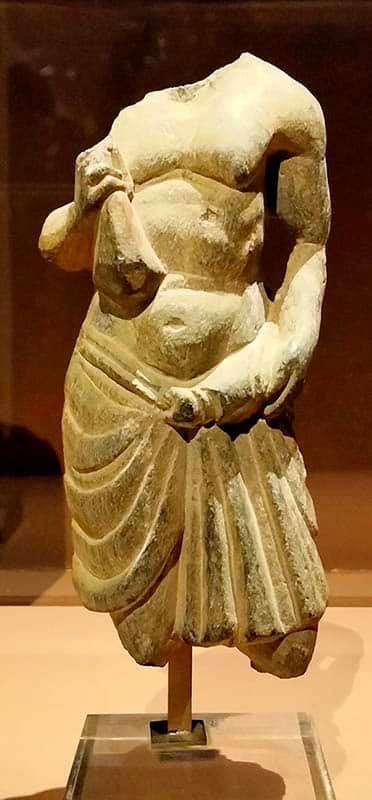
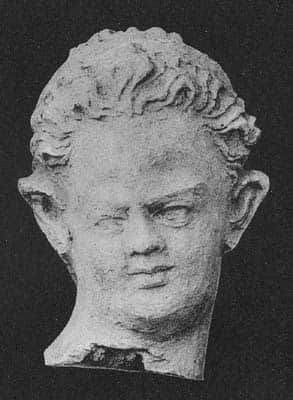
Debated identifications
The database itself leaves these records open: their titles hesitate between several figures. They are part of the lesson: identifying means weighing clues.
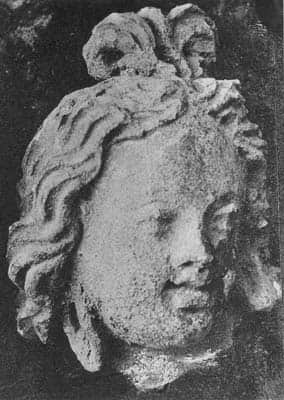
HADB 78
Head of a brahman, possibly god Brahma
Stucco · Tapa Kalān
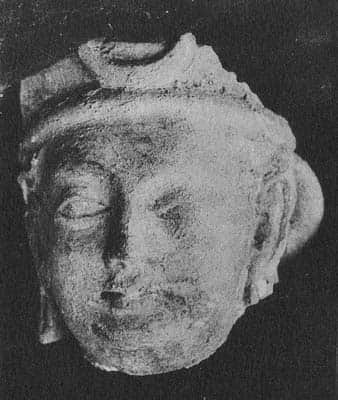
HADB 129
Head of god Indra or a Bodhisattva
Stucco · Tapa-i Kafarihā
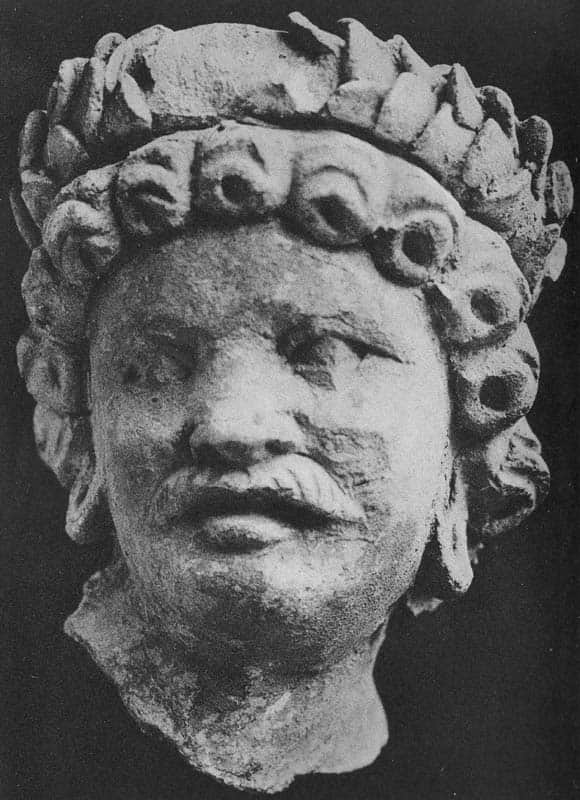
HADB 133
Head of a donor, or god Indra
Stucco · Bāgh Gaï
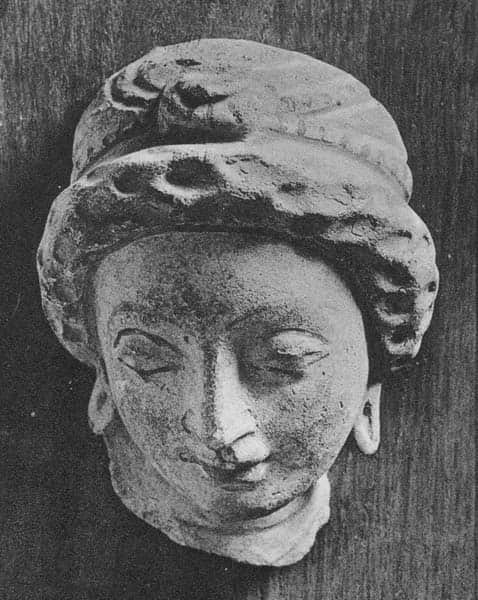
HADB 134
Head of a female donor, or deity
Stucco · Bāgh Gaï
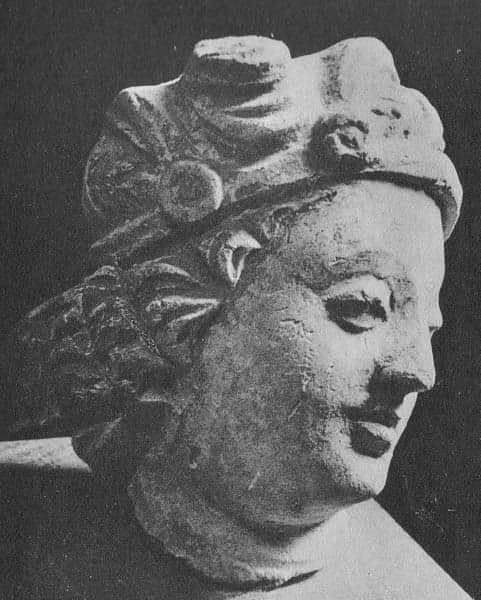
HADB 253
Head of god Indra or a Bodhisattva
Stucco · Tapa-i Kafarihā
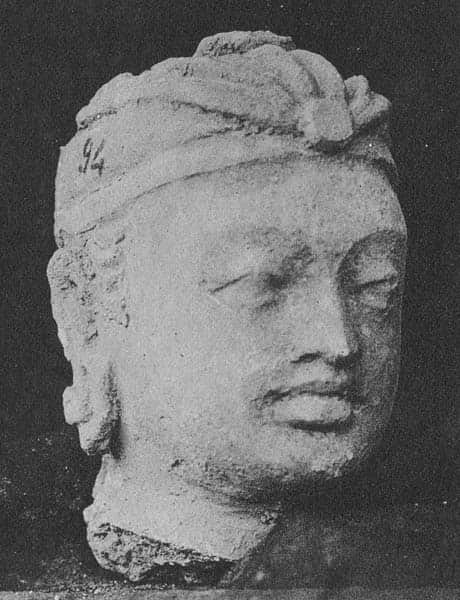
HADB 254
Head of god Indra or a Bodhisattva
Stucco · Tapa Kalān
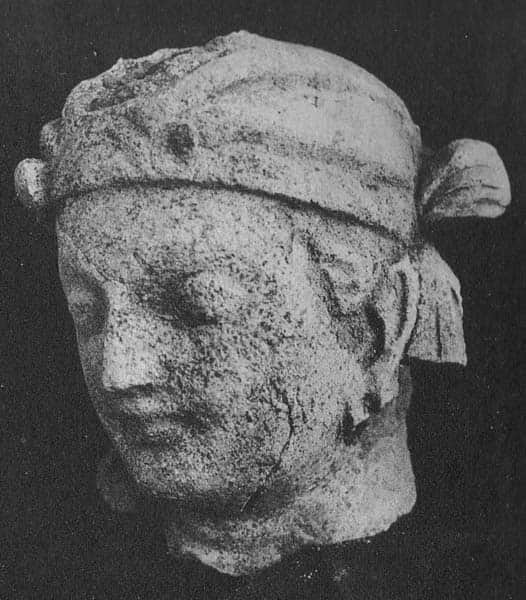
HADB 255
Head of god Indra or a Bodhisattva
Stucco · Tapa Kalān
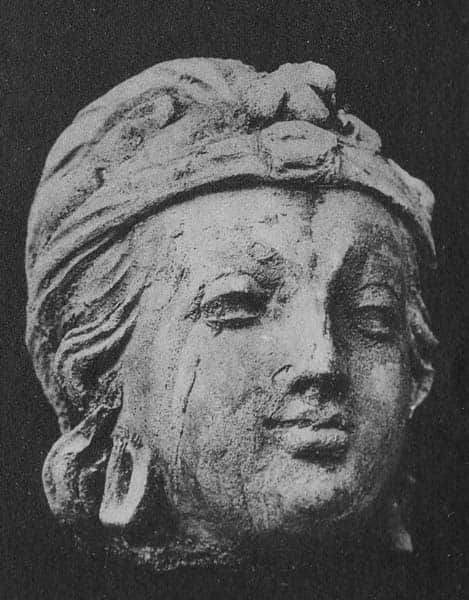
HADB 256
Head of god Indra or a Bodhisattva
Stucco · Pratès
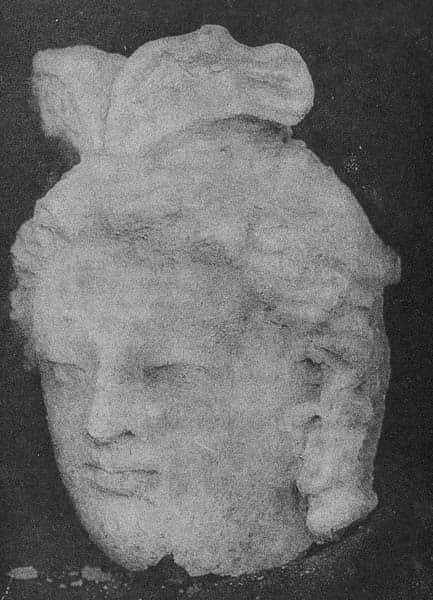
HADB 257
Head of god Indra or a Bodhisattva
Stucco · Tapa Kalān
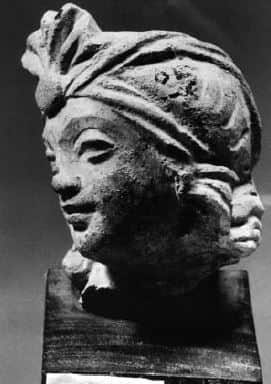
HADB 258
Head of god Indra or a Bodhisattva
Stucco · Tapa Kalān
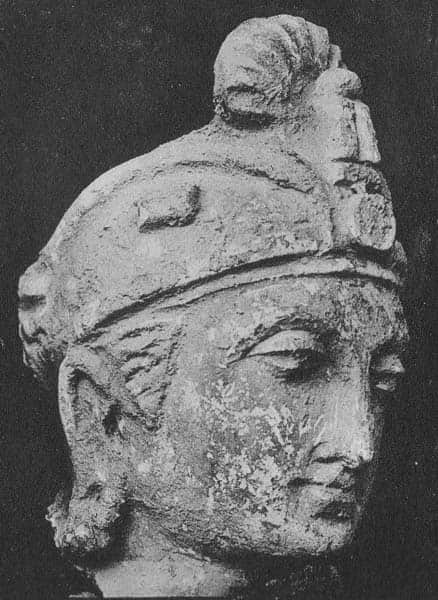
HADB 259
Head of god Indra or a Bodhisattva
Stucco · Tapa-i Kafarihā
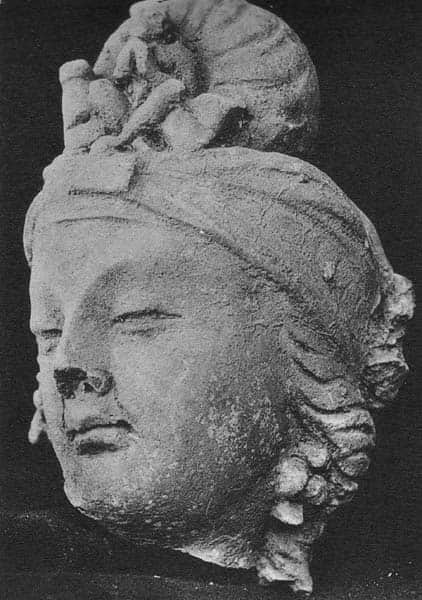
HADB 260
Head of god Indra or a Bodhisattva / Avalokiteśvara (?)
Stucco · Tapa Kalān
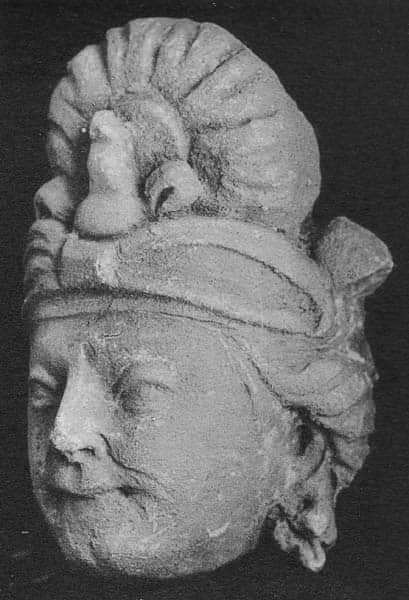
HADB 261
Head of god Indra or a Bodhisattva
Stucco · Tapa Kalān
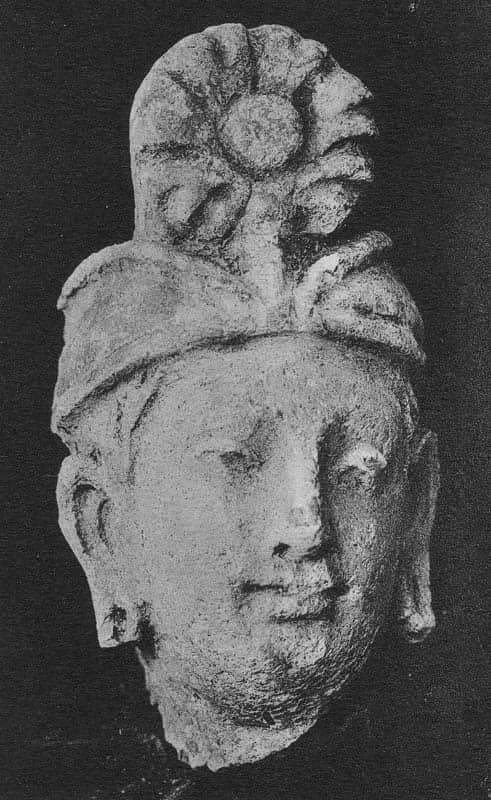
HADB 262
Head of god Indra or a Bodhisattva
Stucco · Tapa Kalān
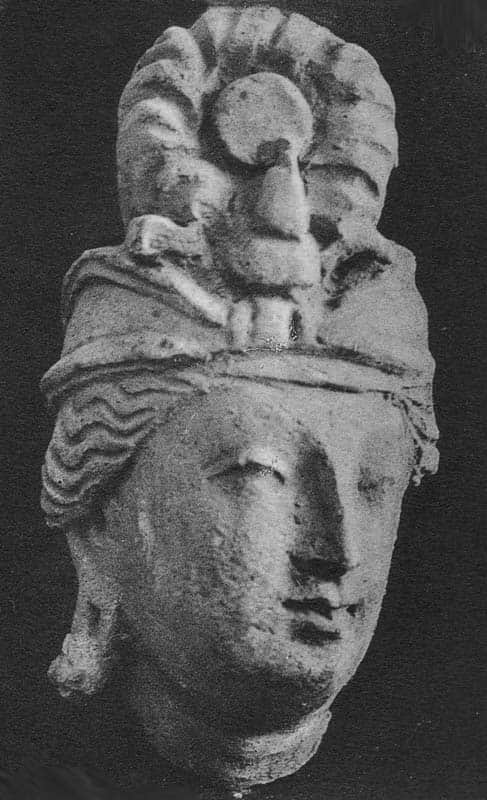
HADB 263
Head of god Indra or a Bodhisattva
Stucco · Tapa Kalān
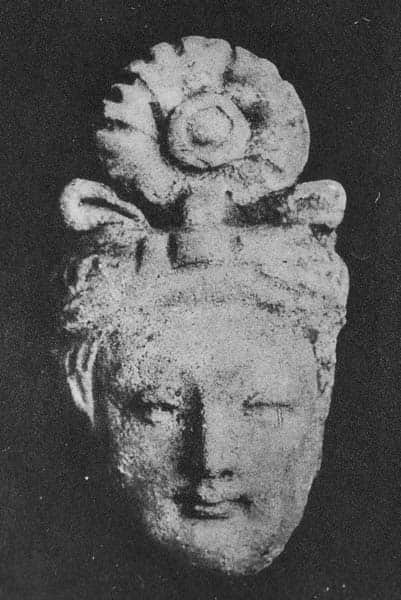
HADB 264
Head of god Indra or a Bodhisattva
Stucco · Tapa Kalān
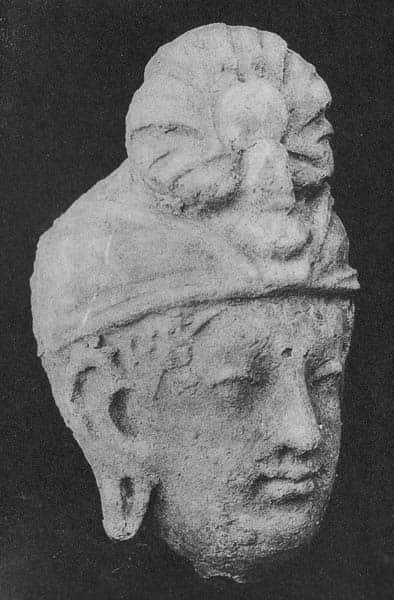
HADB 265
Head of god Indra or a Bodhisattva
Stucco · Haḍḍa, lost location
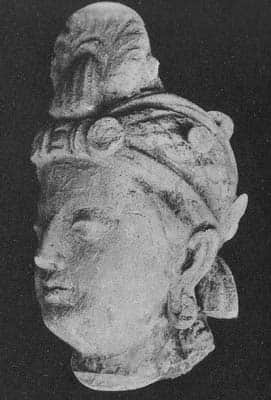
HADB 266
Head of god Indra or a Bodhisattva
Stucco · Bāgh Gaï
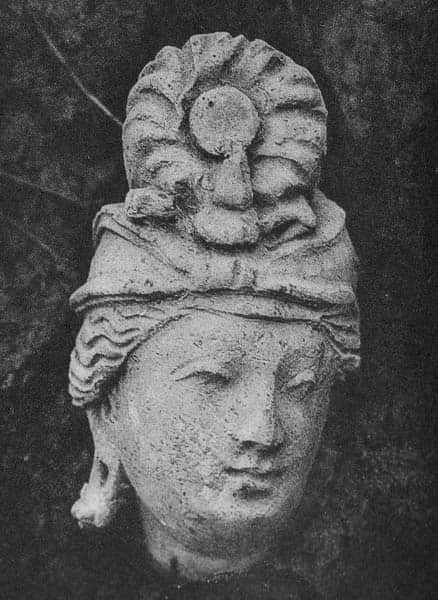
HADB 267
Head of god Indra or a Bodhisattva
Stucco · Haḍḍa, lost location
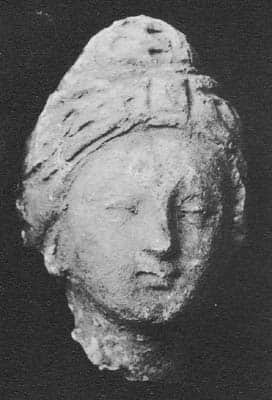
HADB 268
Head of god Indra or a Bodhisattva
Stucco · Haḍḍa, lost location
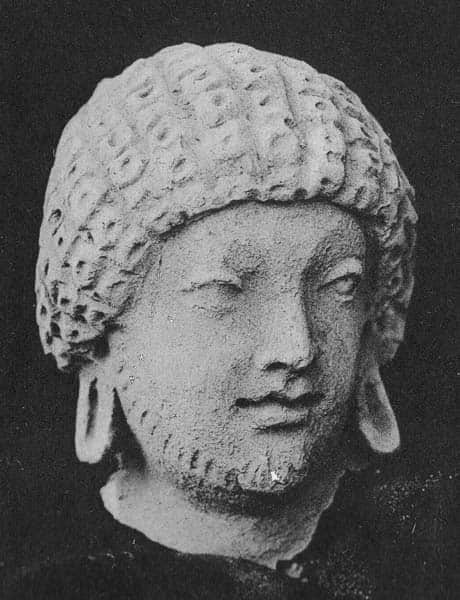
HADB 269
Head of god Indra or a donor
Stucco · Tapa Kalān
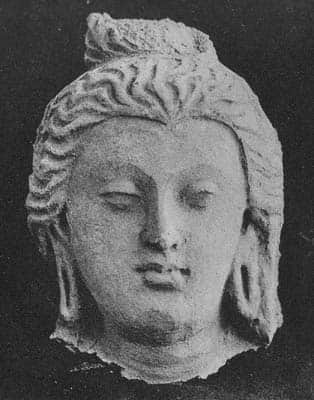
HADB 270
Brahma or young brahman
Stucco · Tapa Kalān
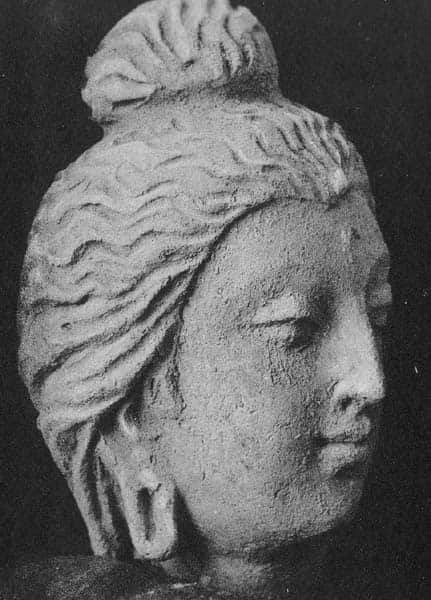
HADB 271
Head of god Brahma or a young brahman
Stucco · Tapa Kalān
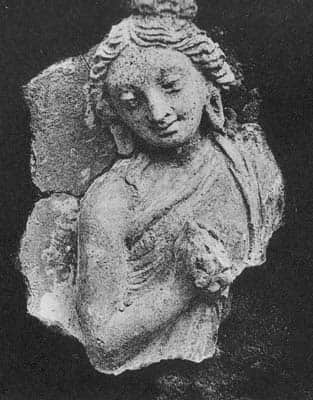
HADB 272
Bust of god Brahma or a young brahman
Stucco · Tapa Kalān
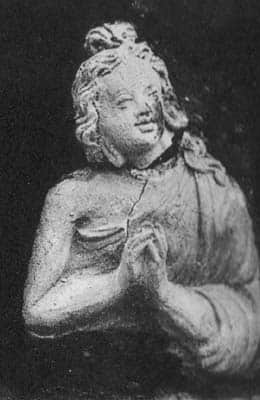
HADB 273
Bust of god Brahma or a young brahman
Stucco · Tapa Kalān
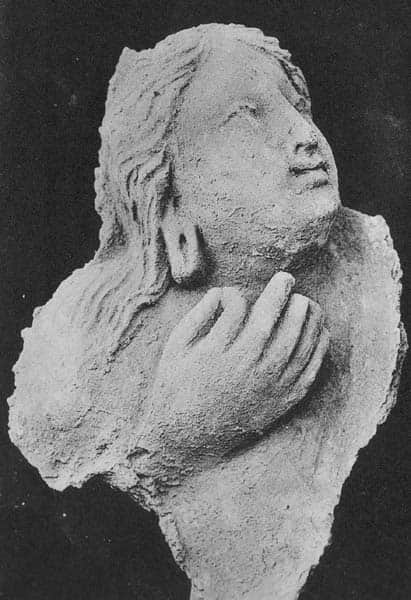
HADB 274
Head of god Brahma or a young brahman
Stucco · Tapa Kalān
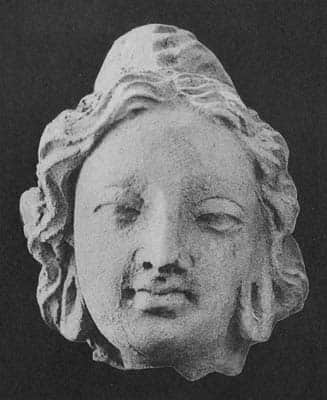
HADB 275
Head of Brahma or young brahman
Stucco · Tapa Kalān
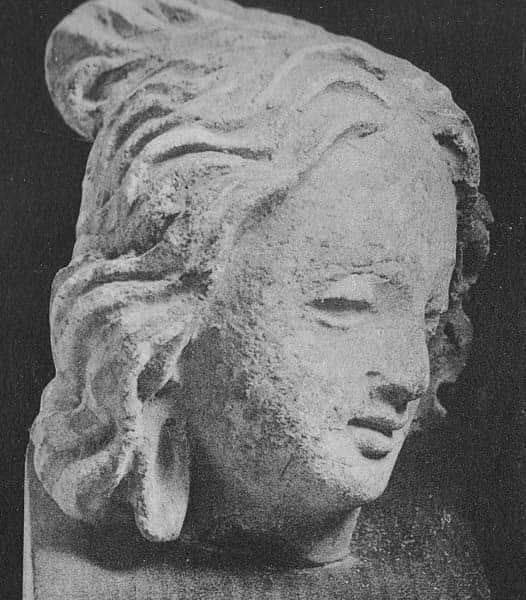
HADB 276
Head of god Brahma or a young brahman
Stucco · Deh-i Ghoundi
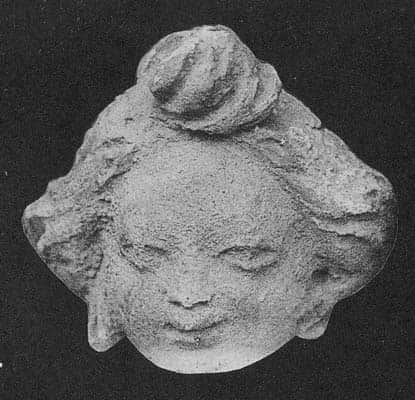
HADB 277
Head of god Brahma or a young brahman
Stucco · Tapa-i Kafarihā
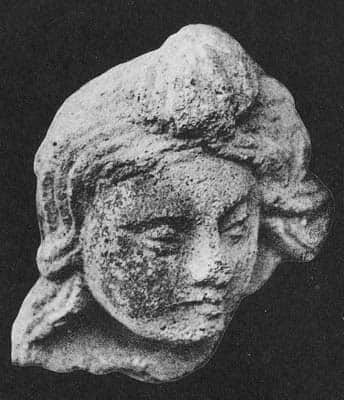
HADB 278
Head of god Brahma or a young brahman
Stucco · Tapa-i Kafarihā
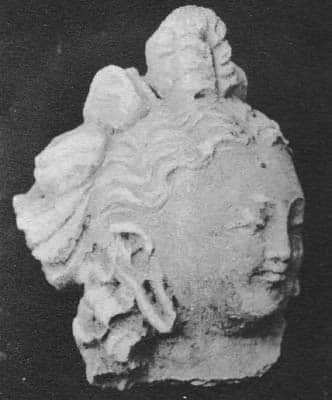
HADB 279
Head of god Brahma, a young brahman or a Bodhisattva
Stucco · Tapa Kalān
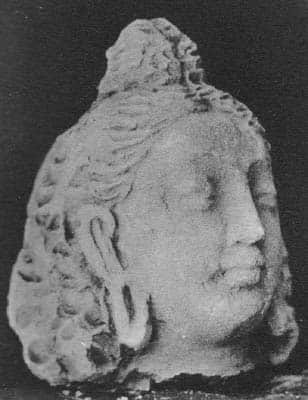
HADB 280
Head of god Brahma or a young brahman
Stucco · Tapa Kalān
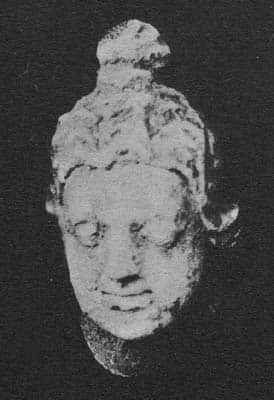
HADB 281
Head of god Brahma or a young brahman
Stucco · Tapa-i Kafarihā
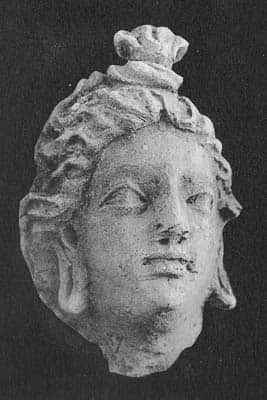
HADB 282
Head of god Brahma or a young brahman
Stucco · Tapa Kalān
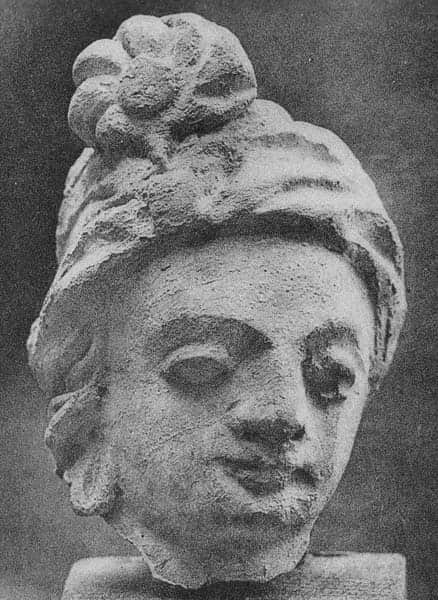
HADB 283
Head of god Brahma, a young brahman or a Bodhisattva
Stucco · Bāgh Gaï
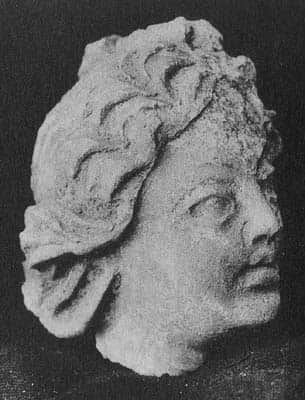
HADB 284
Head of god Brahma or a young brahman
Stucco · Chakhil-i Ghoundi
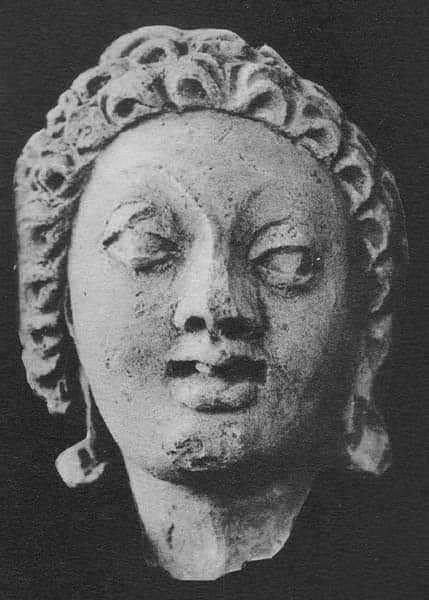
HADB 285
Head of Brahma or young brahman
Stucco · Tapa Kalān
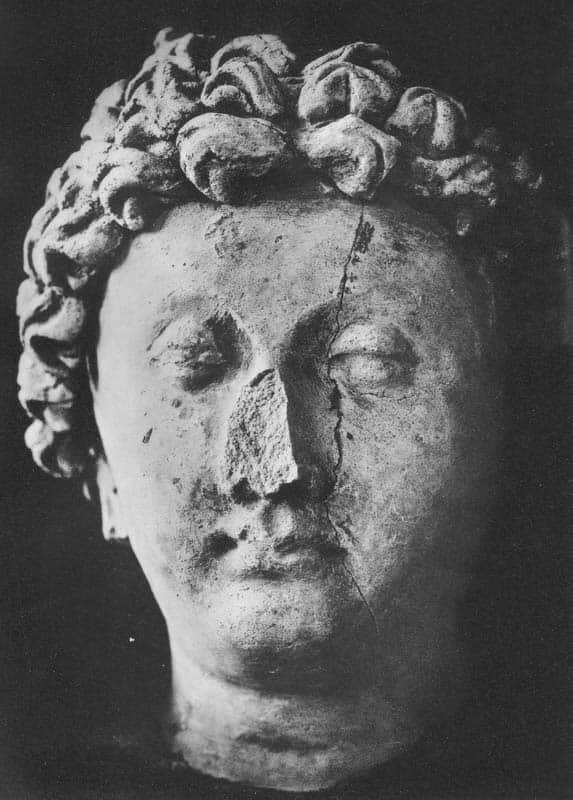
HADB 286
Head of god Brahma, a young brahman or a Bodhisattva
Stucco · Tapa Kalān
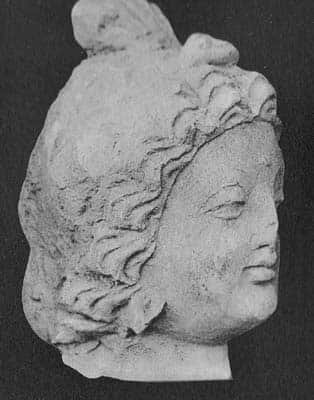
HADB 287
Head of god Brahma, a young brahman or a Bodhisattva
Stucco · Pratès
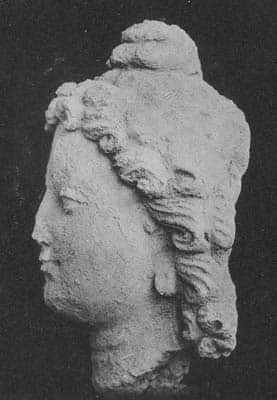
HADB 288
Head of god Brahma or a young brahman
Stucco · Tapa-i Kafarihā
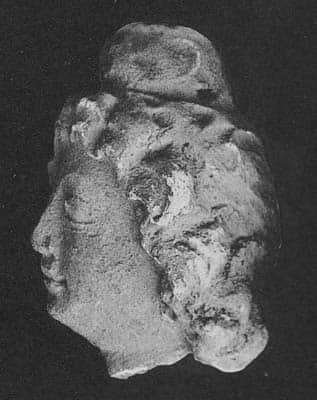
HADB 289
Head of god Brahma or a young brahman
Stucco · Bāgh Gaï
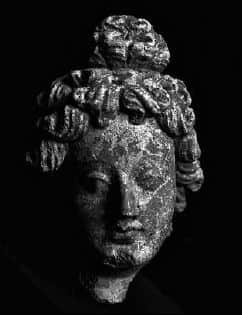
HADB 290
Head of god Brahma or a young brahman
Stucco · Tapa-i Kafarihā
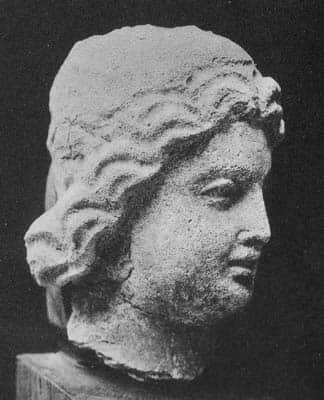
HADB 291
Head of god Brahma or a young brahman
Stucco · Tapa-i Kafarihā
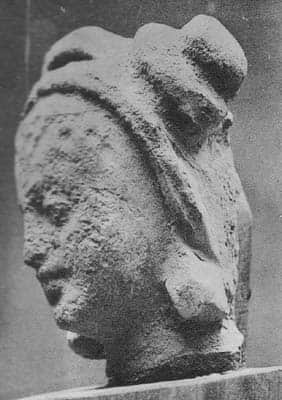
HADB 332
Head of Female Donor or Secondary Deity
Stucco · Tapa Kalān
Related figures in the database
- The secondary deities of the decors: with a spear, linked to the winds, playing music Search “divinité” in the database
This figure in the tours
Guided tours of the database include several works of this figure.