Tapa Kalān
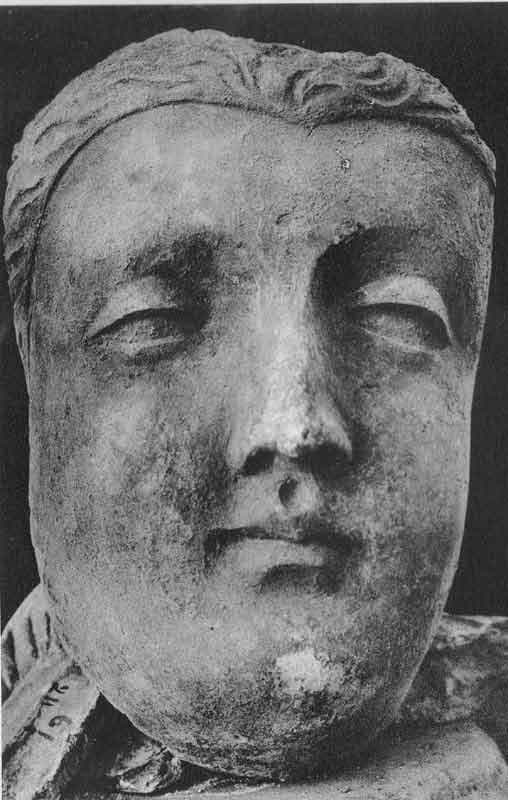
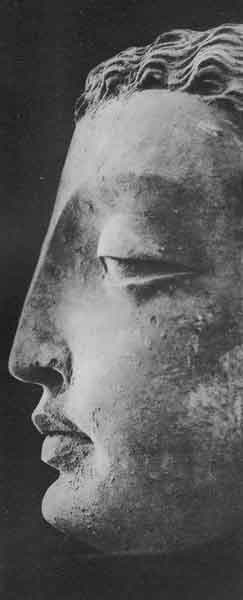
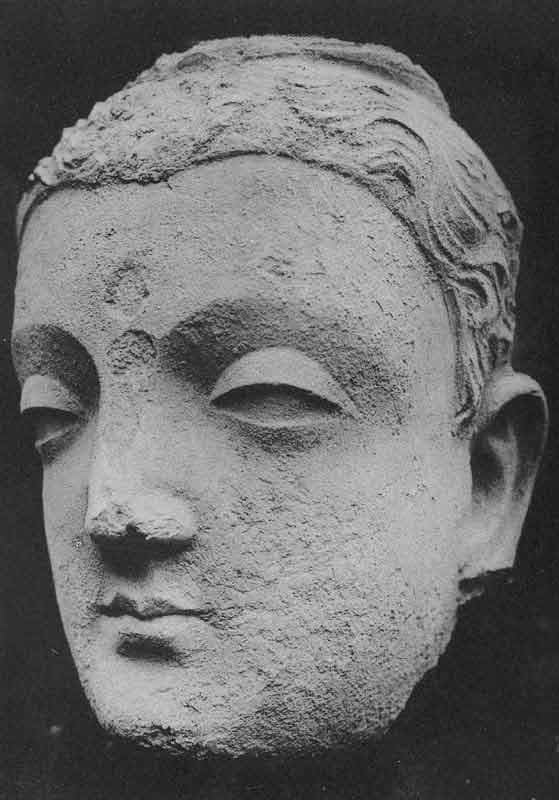
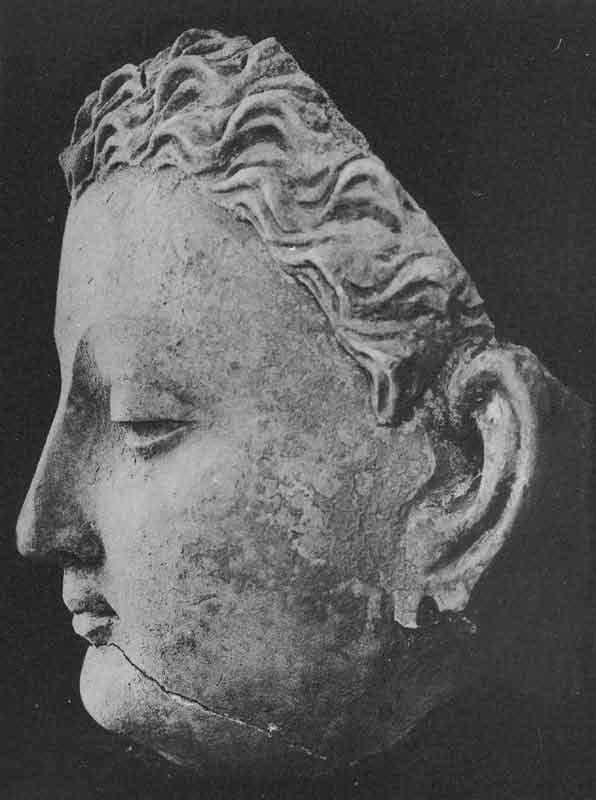
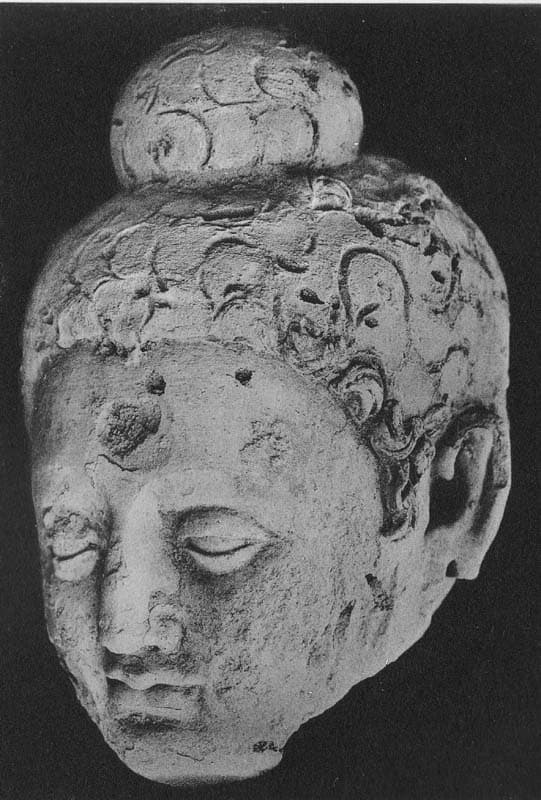
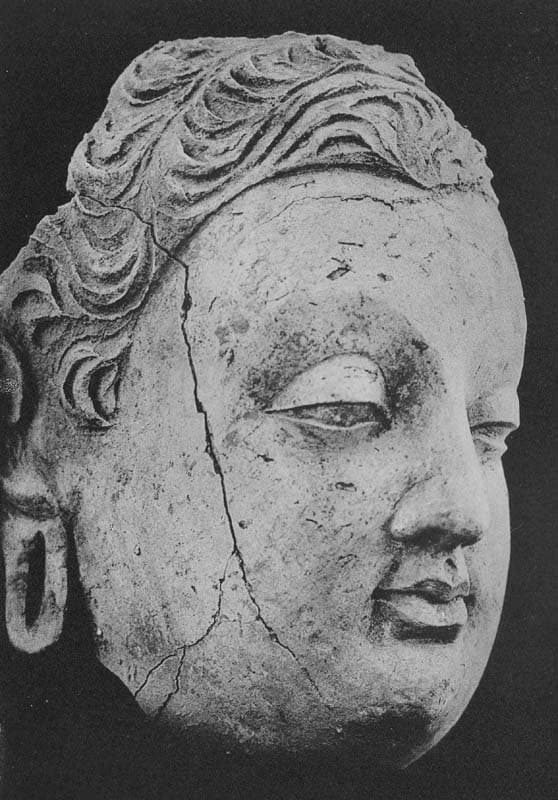
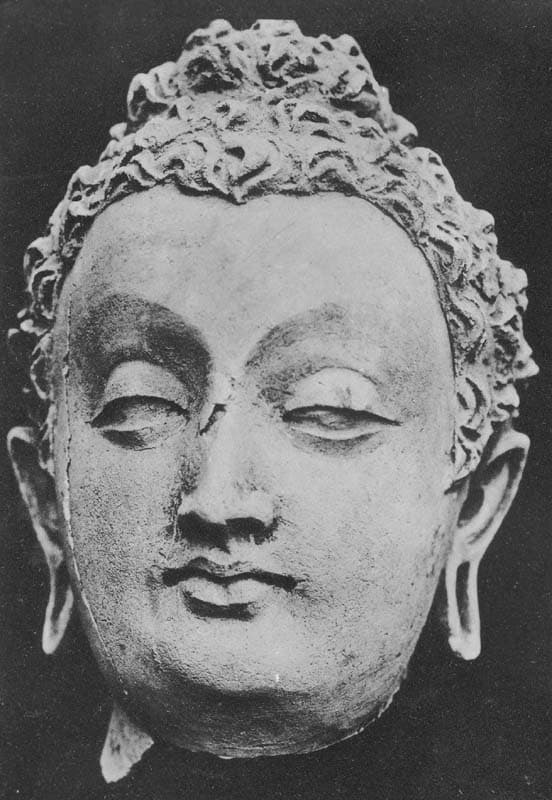
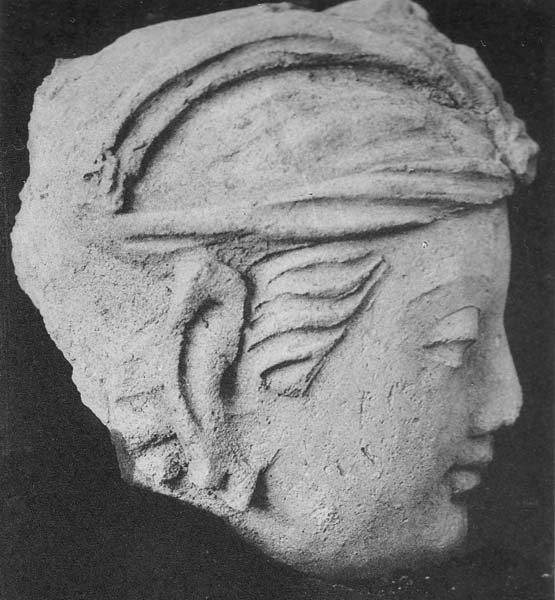
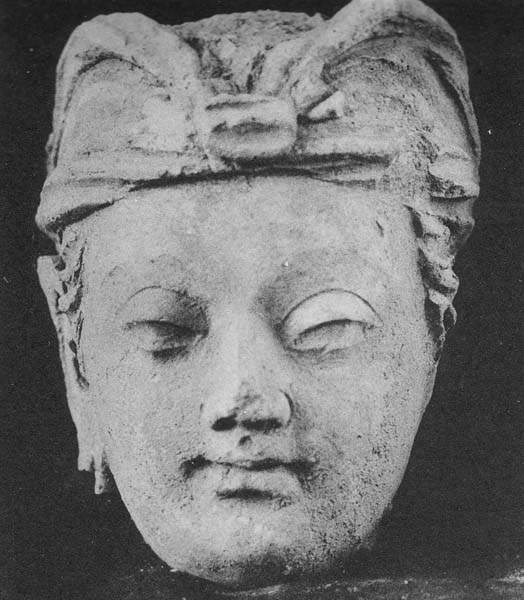
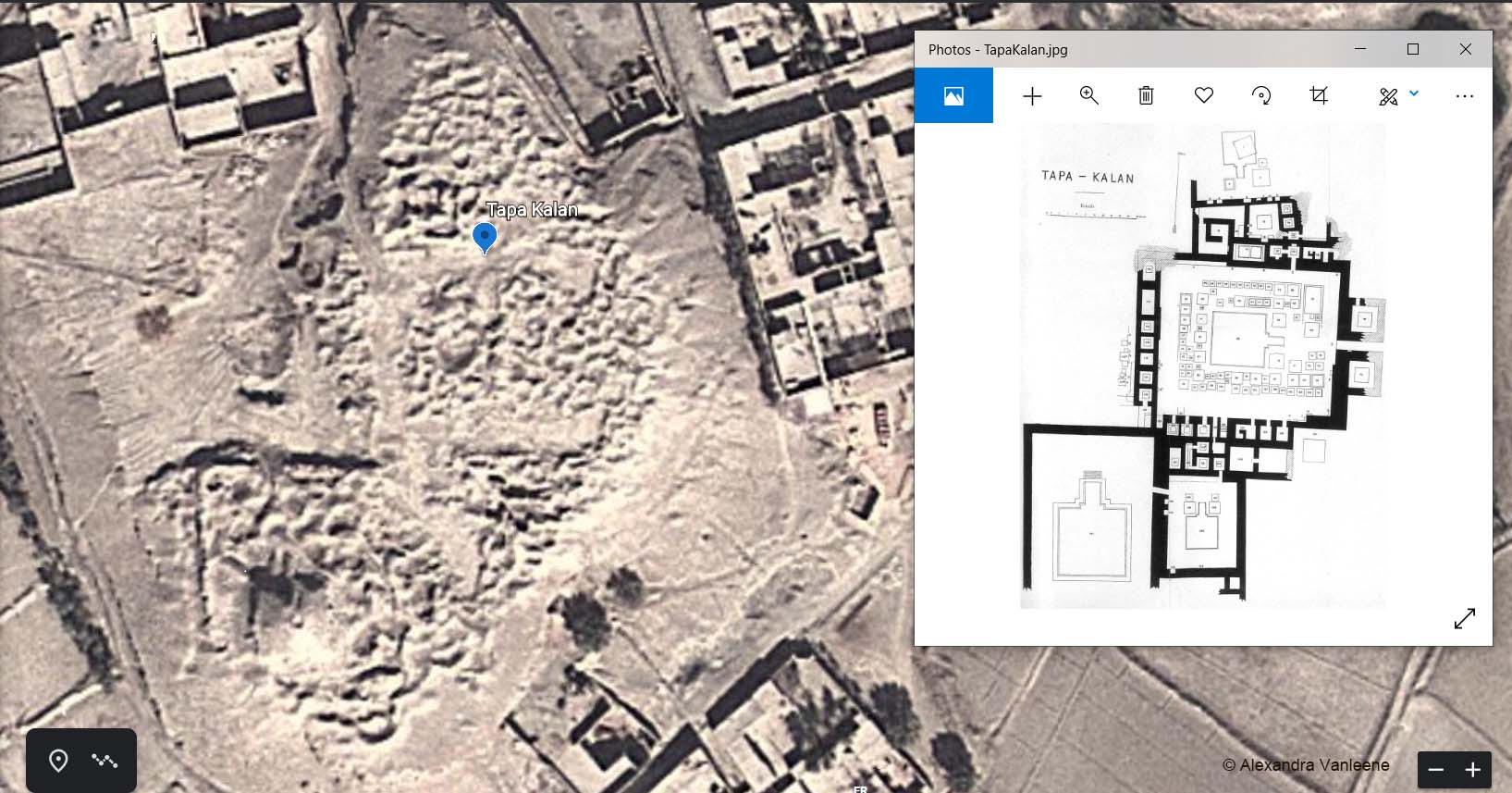
Tapa Kalān (abbreviation: TK) was one of the principal monasteries of the religious complex of Haḍḍa. It extended over approximately 120 metres in length, composed of the juxtaposition of four adjoining ensembles. The monastery was accessed from the east via a narrow corridor flanked by two chambers. The largest enclosure contained the Great Stūpa TK68, decorated with a representation of the Attack of Māra's Army and surrounded by a double row of stūpa. The floor was covered with a stucco coating. The courtyard was surrounded by chambers and chapels in which numerous clay modellings were discovered. The foundation expanded through open or closed cells, sheltering new edifices. The enclosure was not strictly square, and sometimes monumental Buddha statues were set against it, both on the interior and the exterior. Finally, other stūpa were erected outside the walls.
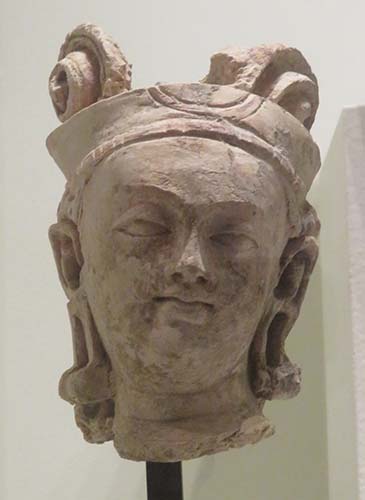
The northern foundation, almost completely eroded, was probably the oldest. The stūpa TK1 discovered there contained within its masonry an earlier stūpa, TK1a. Since it was inconceivable to destroy a stūpa, the new construction was carried out by encasing the older structure. All sites were regularly enlarged and remodelled, each renovation entailing the re-stuccoing of the entire site. Thus, the modellings and reliefs discovered may not have been installed from the outset, nor produced at the same time as the surface to which they were applied, but added at a later date. These questions must be considered with caution, since more recent modellings or reliefs may adorn an older monument.
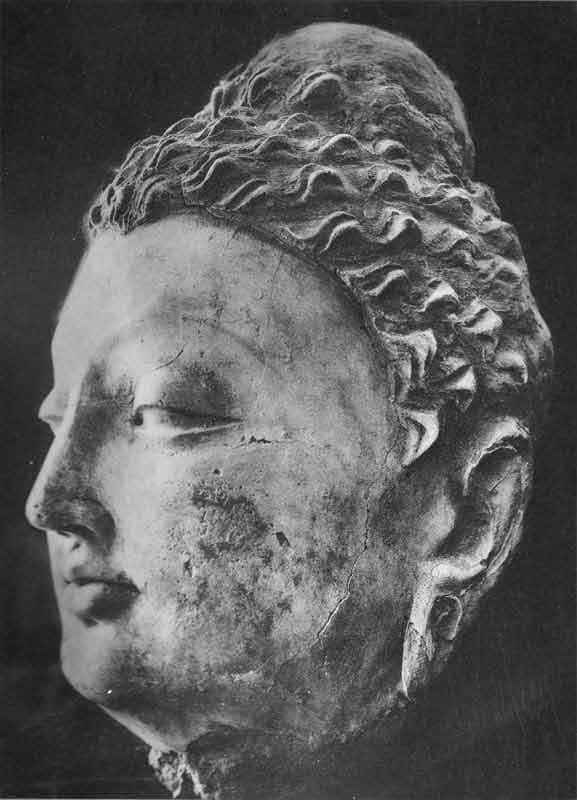
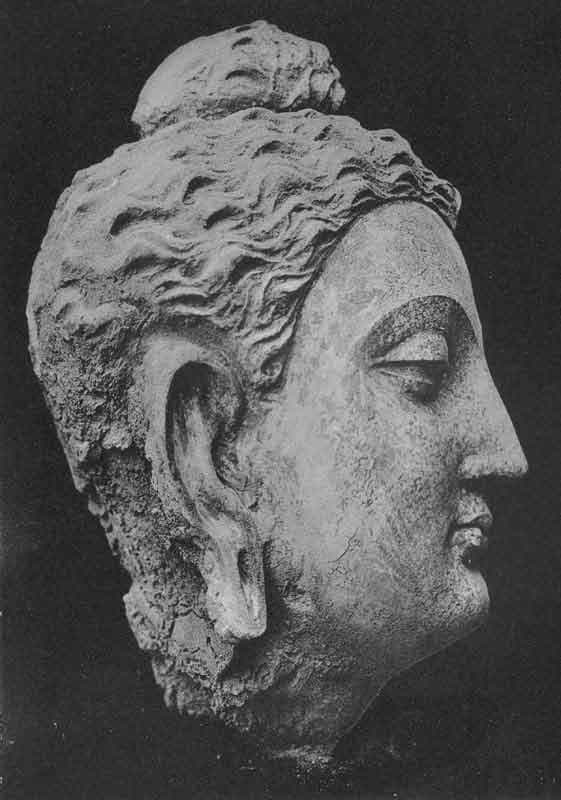
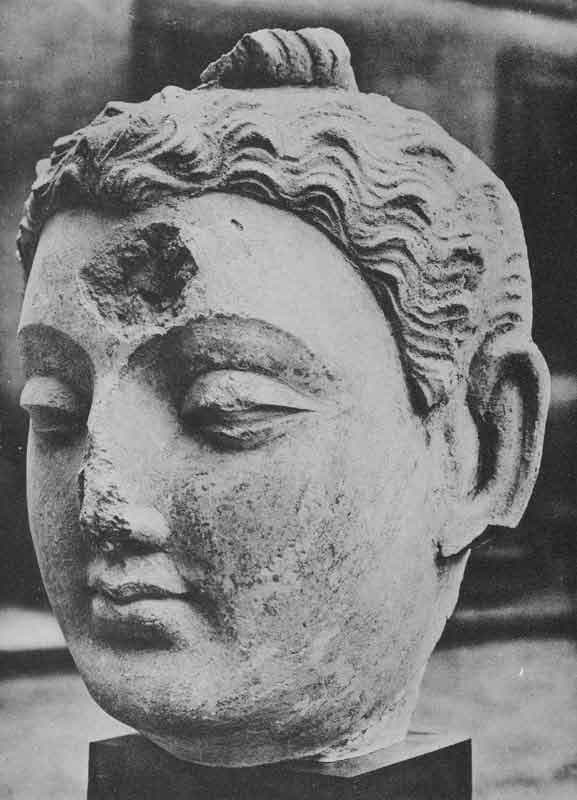
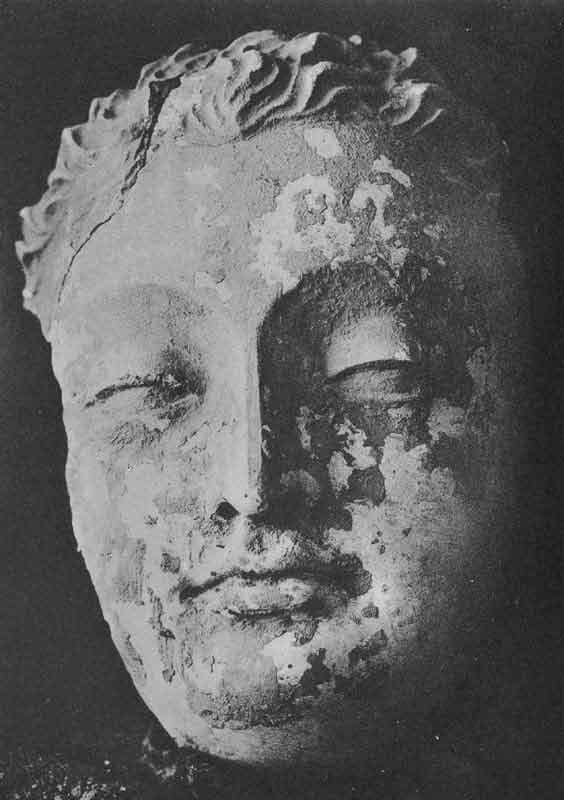
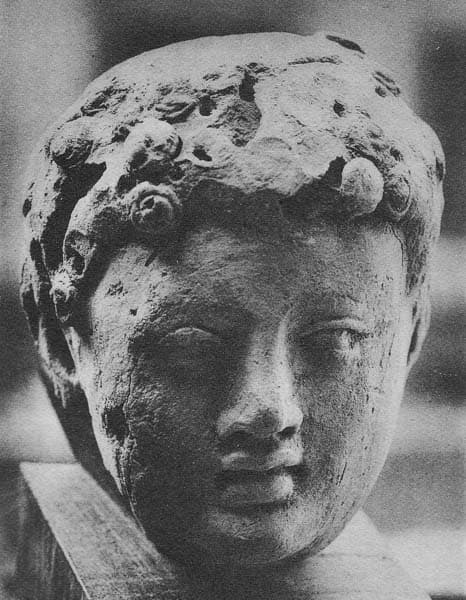
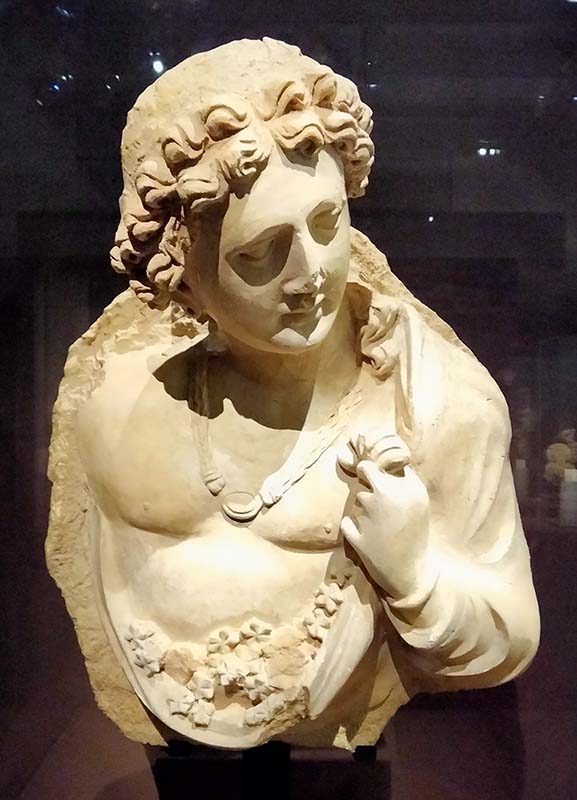
To the south, a first foundation contained a medium-sized stūpa, TK140, in the vicinity of which several schist reliefs were discovered, representing for example the Return of Queen Māyā to Kapilavastu, the Offering of the Four Bowls and the Bearers of Relics. TK140 was surrounded by chambers and chapels decorated with modellings. It was there that the famous Genius with Flowers, now preserved at the Musée Guimet, was discovered. The second ensemble housed solely the Great Stūpa TK 141. The floor, covered with stucco, was compacted with clay. Barthoux reports having found two glass-paste tiles that were probably intended to cover it.
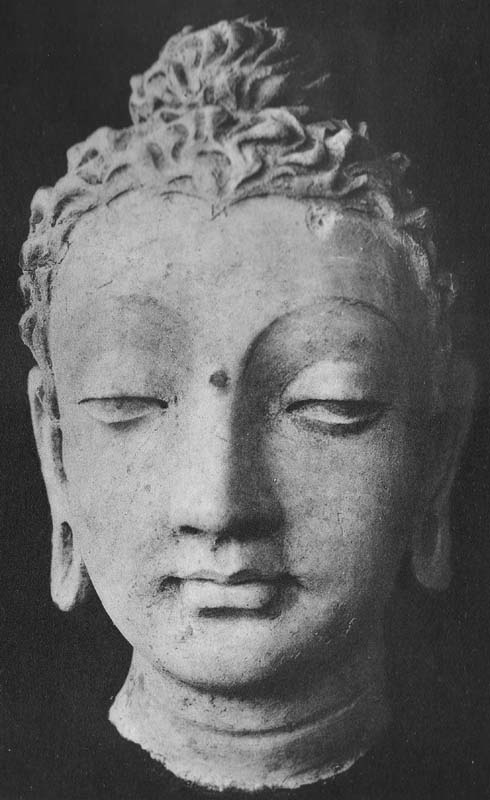
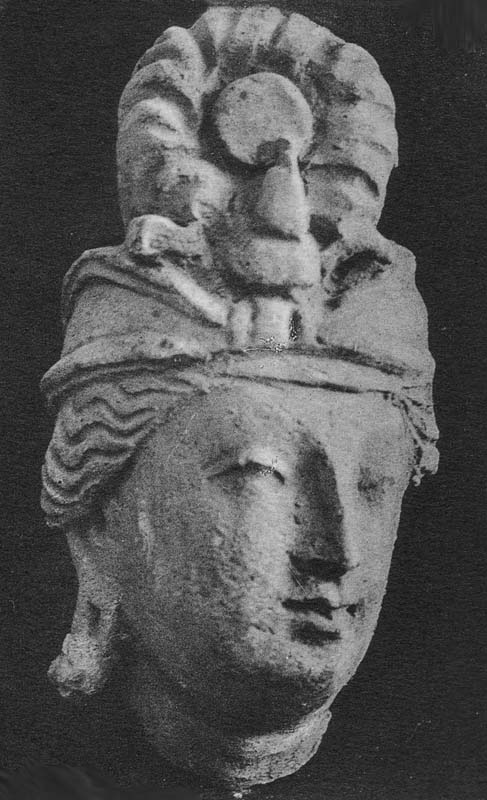
Explore the objects from this site in the database or on the interactive map.
Objects from this site
215 objects catalogued