Thematic Paths
Thematic routes through the collection: each path brings together a selection of works from Haḍḍa around a motif, a material or a group of figures, presented in an annotated sequence.
17 paths · 235 works
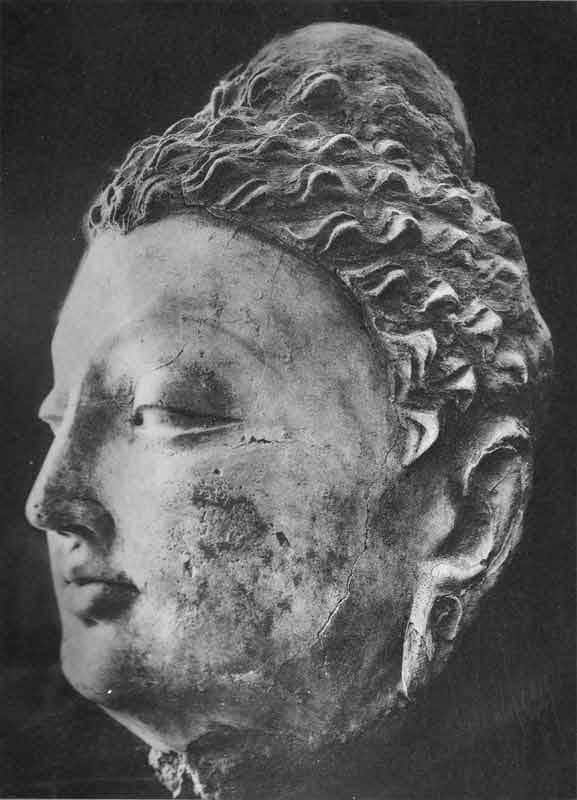
13 works
The Faces of the Buddha at Haḍḍa
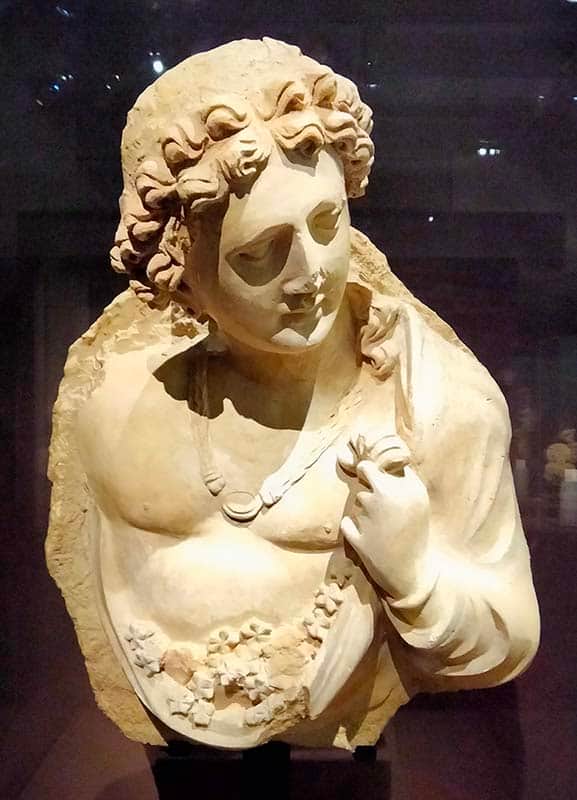
20 works
Demons and Genies of Haḍḍa
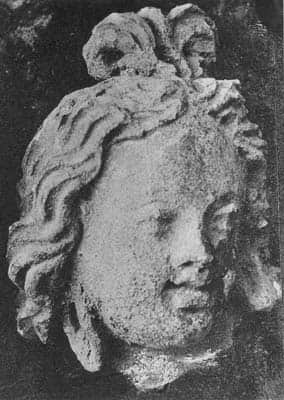
20 works
Donors, Monks and Brahmans
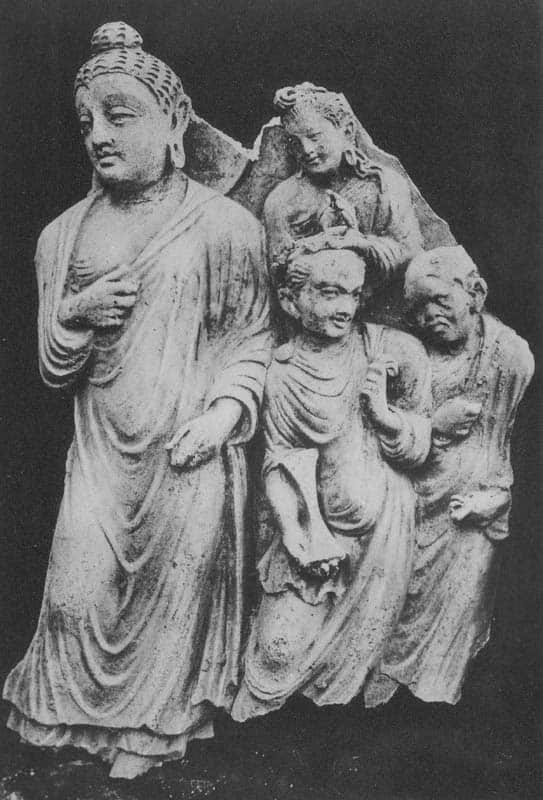
15 works
Scenes from the Life of the Buddha
21 works
The Art of Schist at Haḍḍa
20 works
The smile of Haḍḍa
20 works
The warriors of Haḍḍa
12 works
The stūpa of Chakhil-i Ghoundi
20 works
The Hellenistic echo
20 works
Traces of colour
20 works
Turbans and diadems
19 works
The female donors of Haḍḍa
18 works
Indian Influences in the Art of Haḍḍa
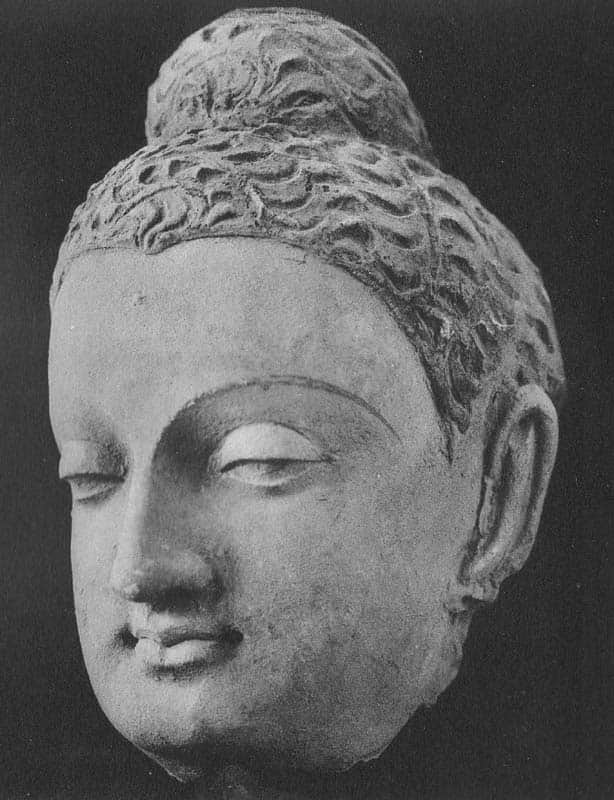
20 works
Central Asian Influences in the Art of Haḍḍa
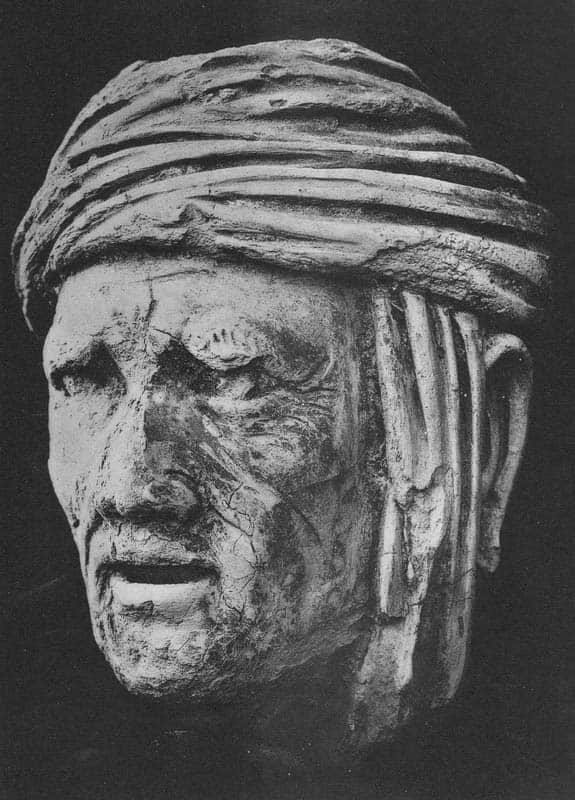
17 works
Local Types in the Art of Haḍḍa
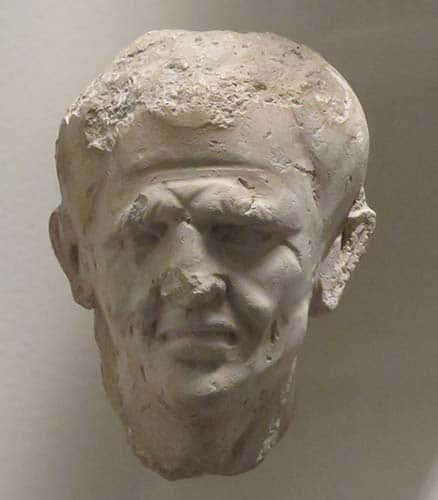
14 works
The Art of Portraiture at Haḍḍa
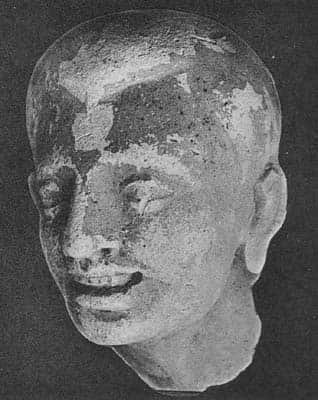
18 works
The Art of Caricature at Haḍḍa
13 works
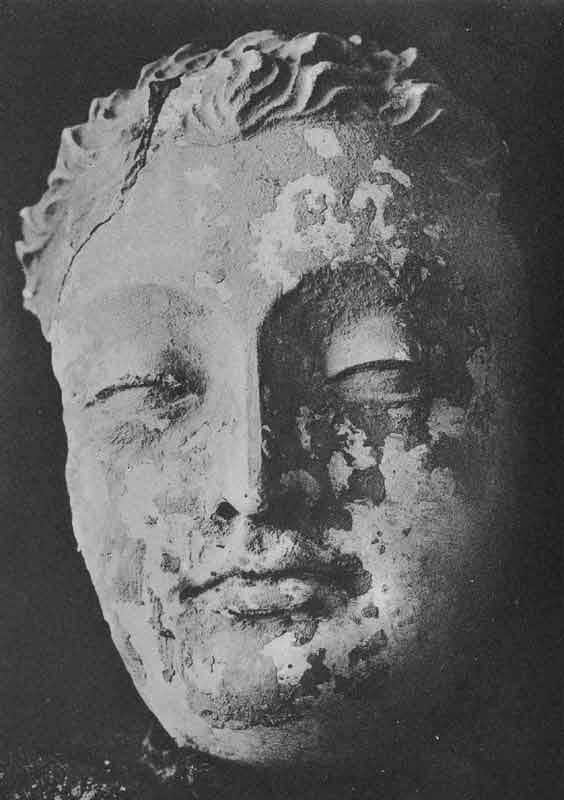
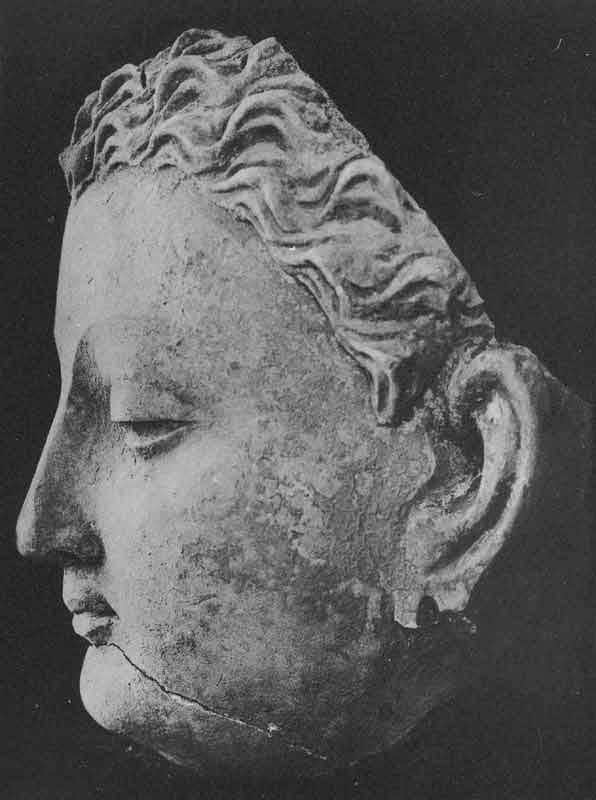
The Faces of the Buddha at Haḍḍa
Discover the diversity of Buddha representations found in the monasteries of Haḍḍa. This path gathers thirteen sculptures (heads, busts and narrative scenes) from Tapa Kalān, the largest monastic complex at the site. Modelled in stucco, these works illustrate the variety of stylistic treatments adopted by the artists of Haḍḍa.
20 works
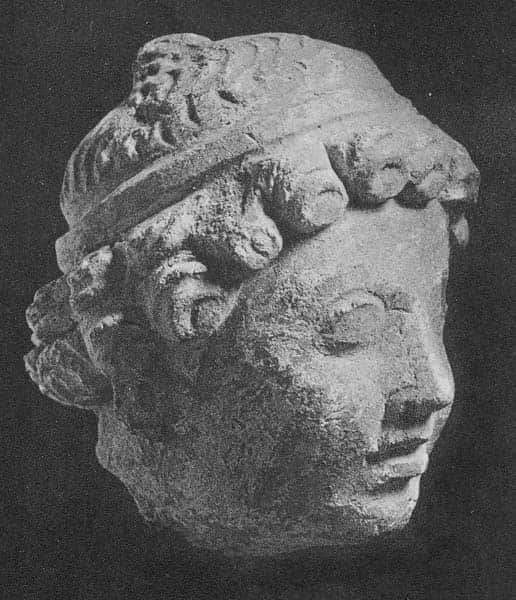
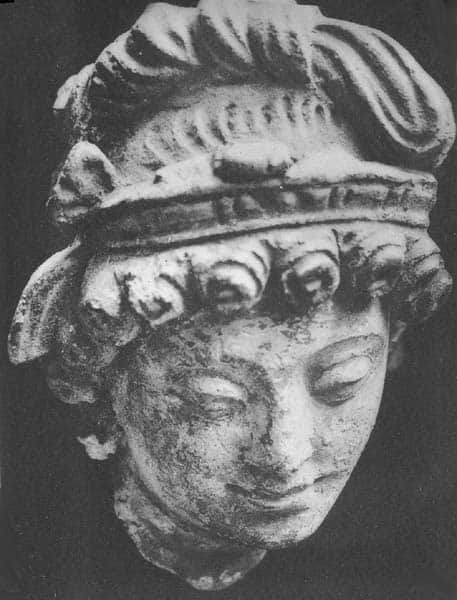
Demons and Genies of Haḍḍa
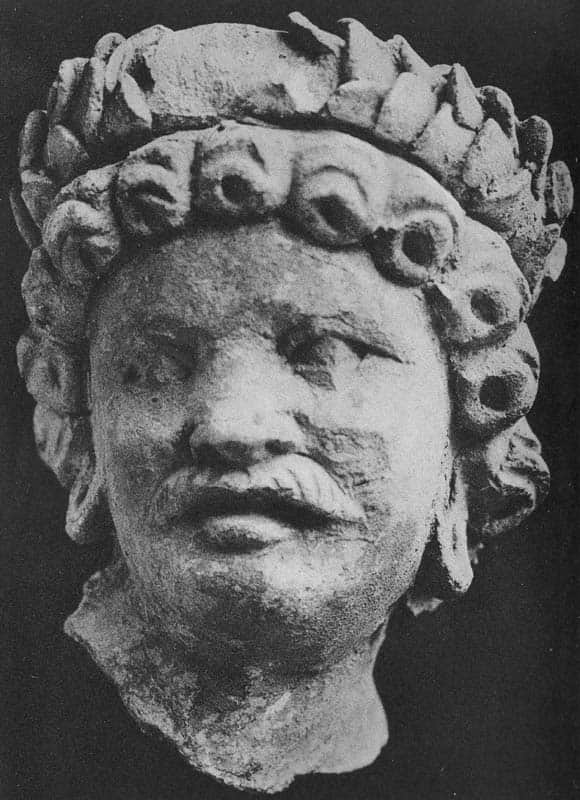
This path brings together twenty sculptures of demons and flower-bearing genies discovered across several sites at Haḍḍa: Tapa Kalān, Bāgh Gaï, Tapa-i Kafarihā, Chakhil-i Ghoundi and pieces with lost provenance. These stucco figures are among the most expressive in Gandhāran art and depict supernatural beings from Buddhist mythology.
20 works
Donors, Monks and Brahmans
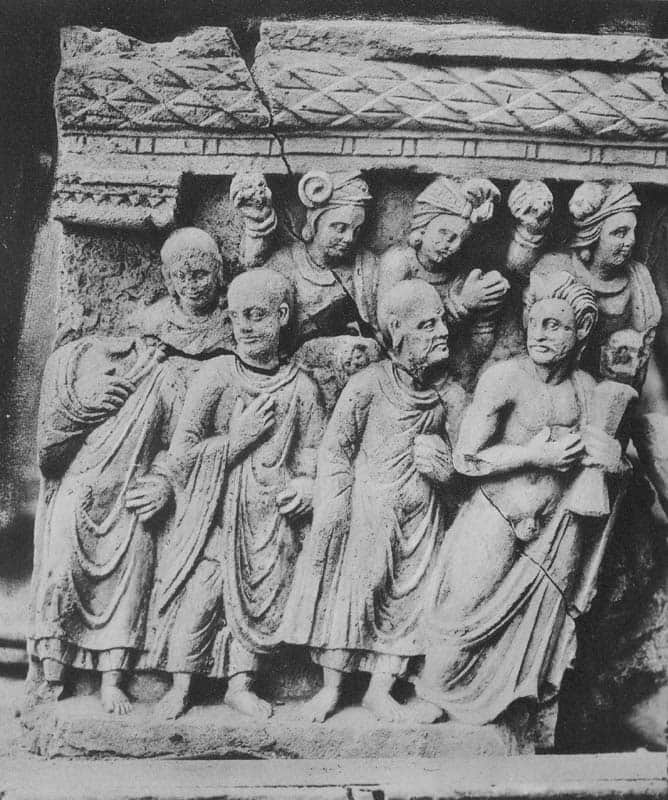
This path presents twenty sculptures depicting human figures: lay donors, Buddhist monks (bhikṣu) and brahmans. From Tapa Kalān and Bāgh Gaï, these stucco works offer a panorama of the social types represented in the monastic art of Haḍḍa. One can observe the diversity of physiognomies, ages and statuses.
15 works
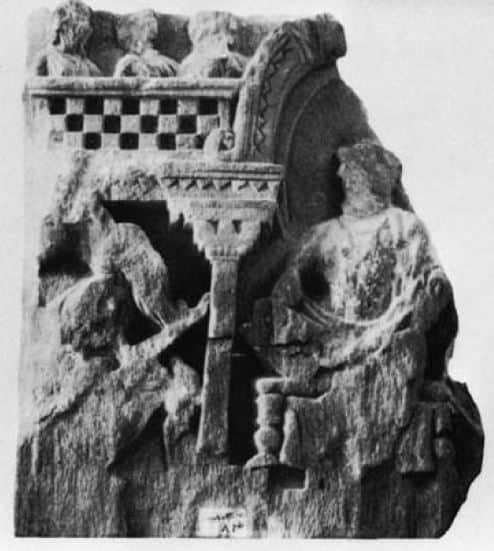
Scenes from the Life of the Buddha
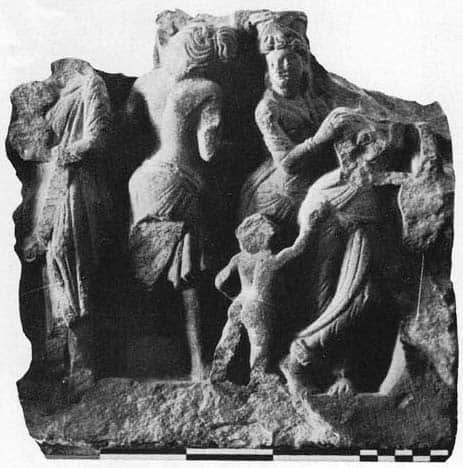
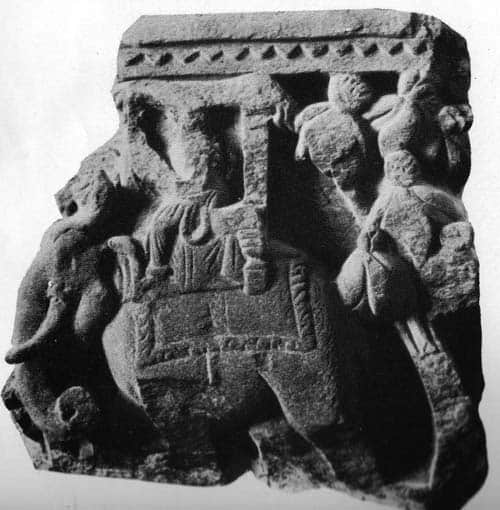
This path gathers fifteen narrative schist reliefs illustrating episodes from the life of Siddhārtha Gautama and the Jātaka tales. From Tapa Kalān and pieces with lost provenance at Haḍḍa, these carved panels depict the Great Departure, the Seven Steps, the Dīpaṁkara Jātaka and other scenes. These reliefs bear witness to the narrative tradition of Gandhāran art.
21 works
The Art of Schist at Haḍḍa
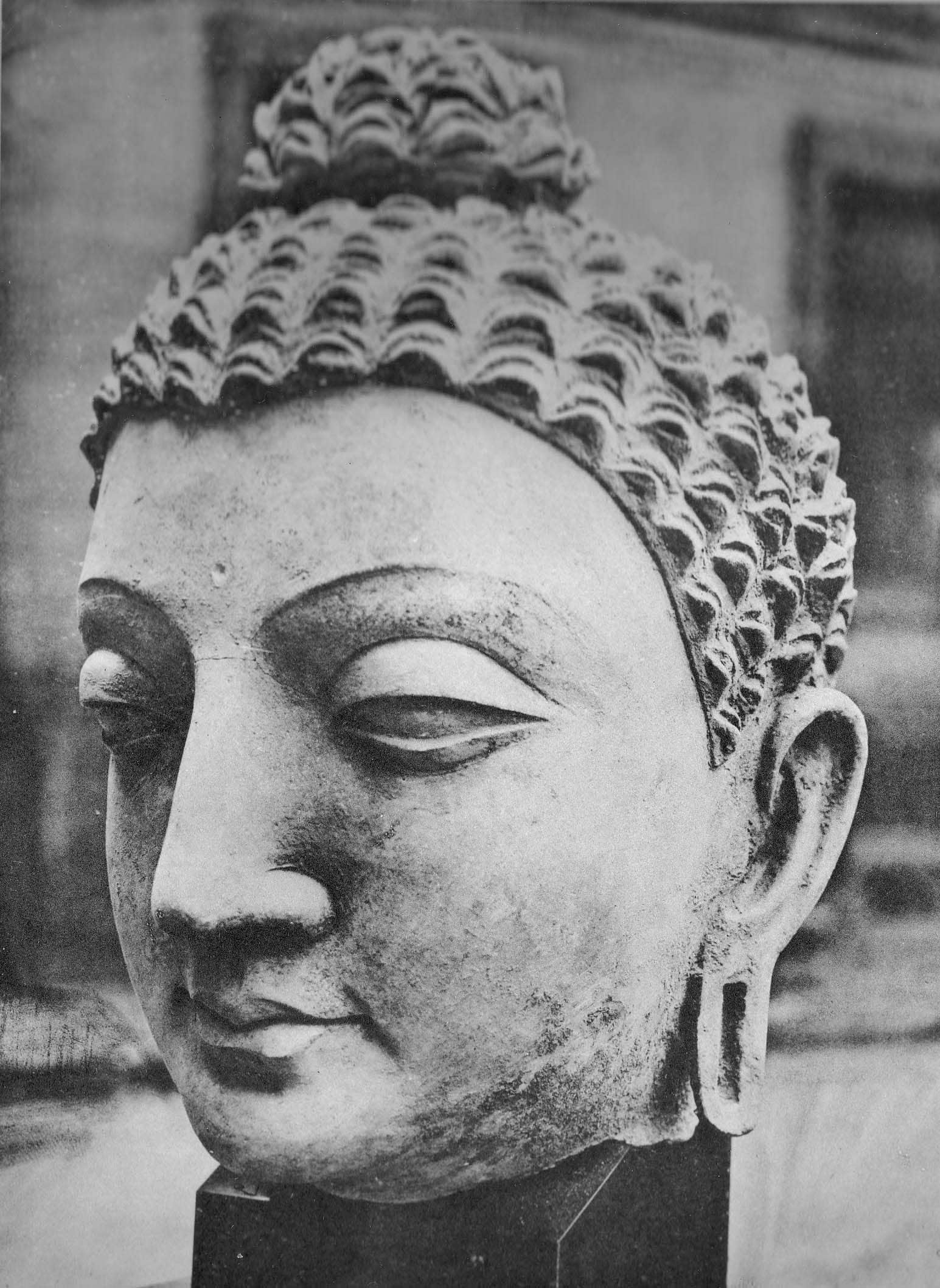
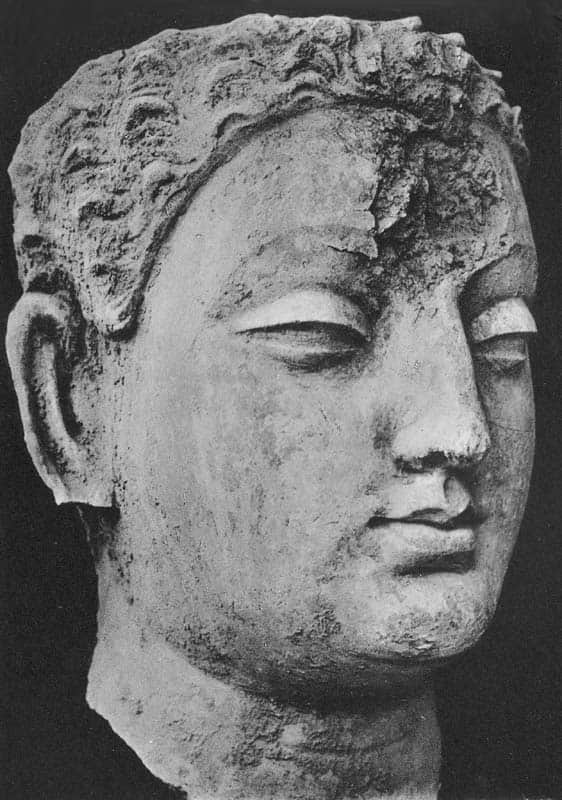
Haḍḍa is mainly known for its modelled stucco sculptures, but the site also yielded works in schist. This path gathers the twenty-one schist pieces in the corpus: narrative reliefs, isolated figures and carved panels. These works, from Tapa Kalān, Bāgh Gaï and pieces with lost provenance, attest to a stone production that coexisted with the stucco tradition.
20 works
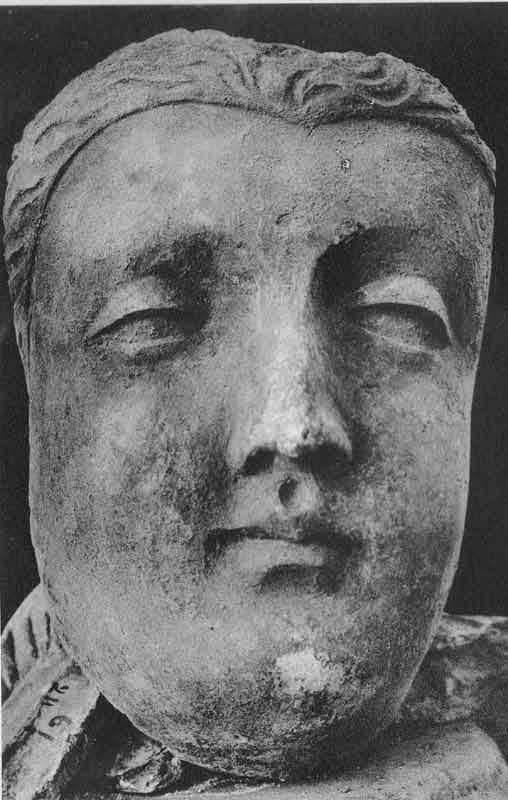
The smile of Haḍḍa
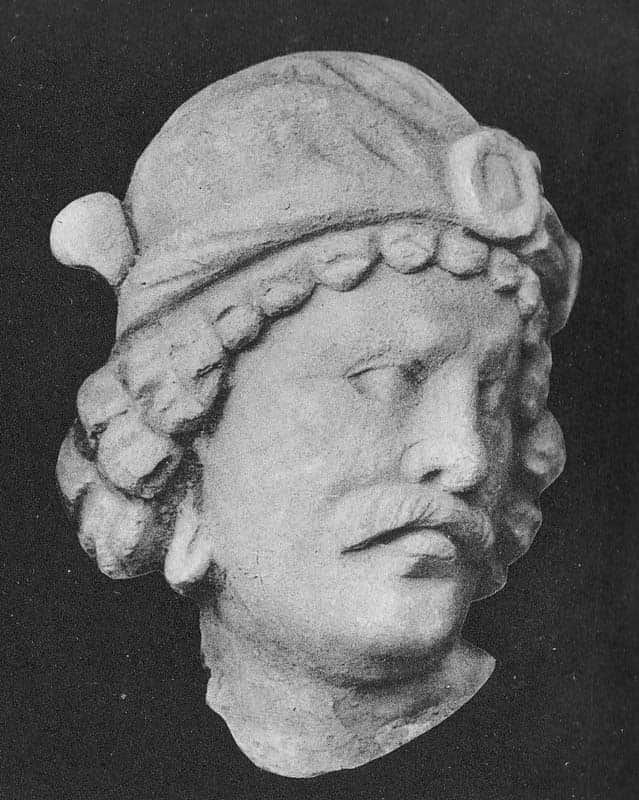
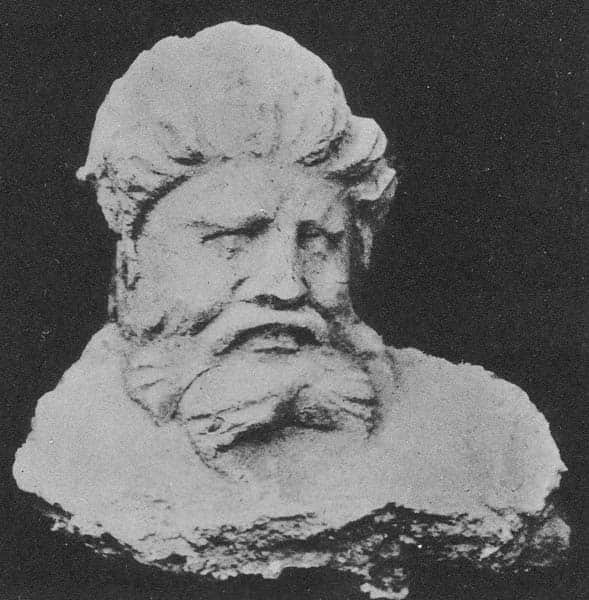
Half-closed eyes, full cheeks and a faint smile: this gentle expression appears on almost every face modelled at Haḍḍa. This tour brings together twenty sculptures and follows the smile across all the figures of the monasteries: Buddhas and Bodhisattvas, deities, monks, brahmans, donors, musicians, and finally warriors and demons, whose smile turns fierce.
20 works
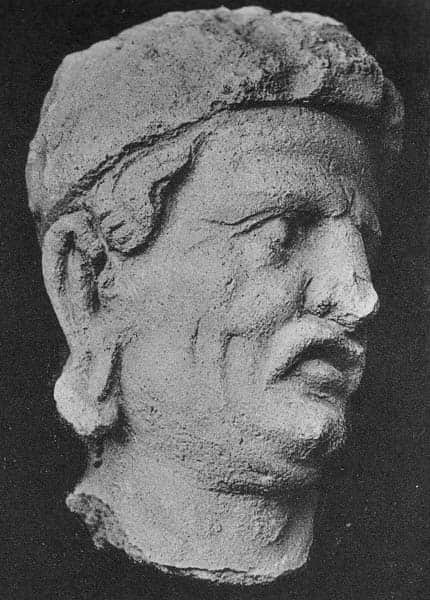
The warriors of Haḍḍa
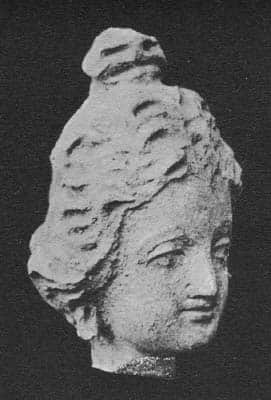
The monasteries of Haḍḍa yielded dozens of stucco warrior heads and busts. This tour presents twenty of them, chosen for the variety of their headgear and faces: knotted turbans, Phrygian caps, a laurel crown, helmets with volutes or crests, features borrowed from the gods of the Greek world or local facial types. Several of these soldiers served as decorative atlantes, pretending to support the cornices of the monuments.
12 works
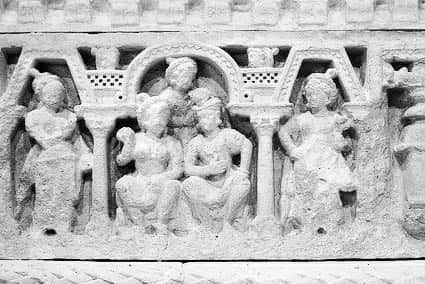
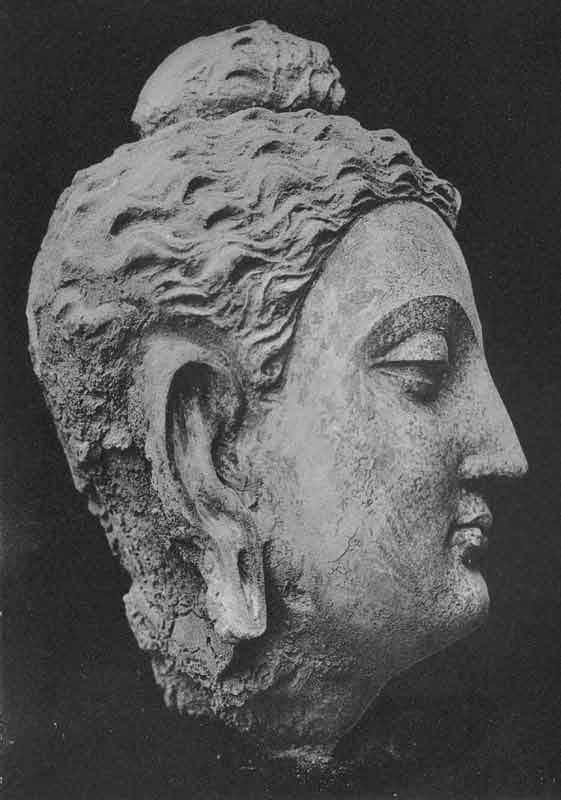
The stūpa of Chakhil-i Ghoundi
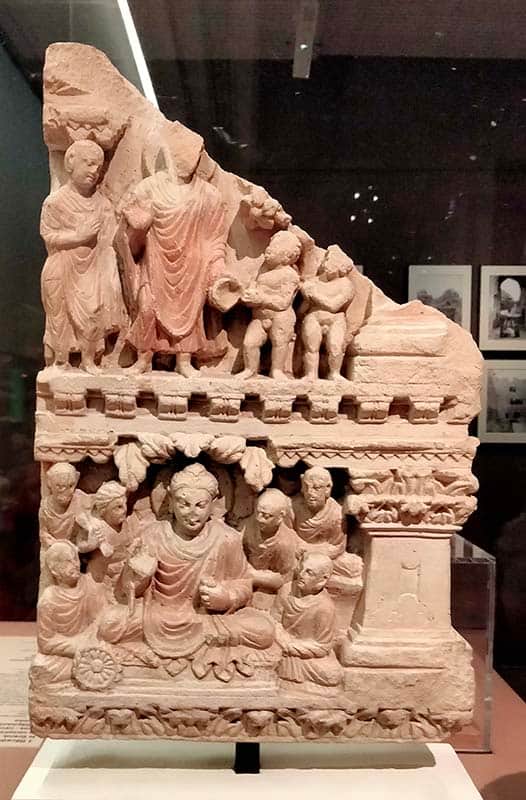
This tour brings together the twelve objects in the database from Chakhil-i Ghoundi, one of the small sites of Haḍḍa, organised around its main stūpa. Two limestone narrative reliefs, including a riser from the stūpa staircase, stand alongside stucco heads that offer a glimpse of the monument's whole sculpted population: Bodhisattva, brahmans, female donors, warriors and a demon.
20 works
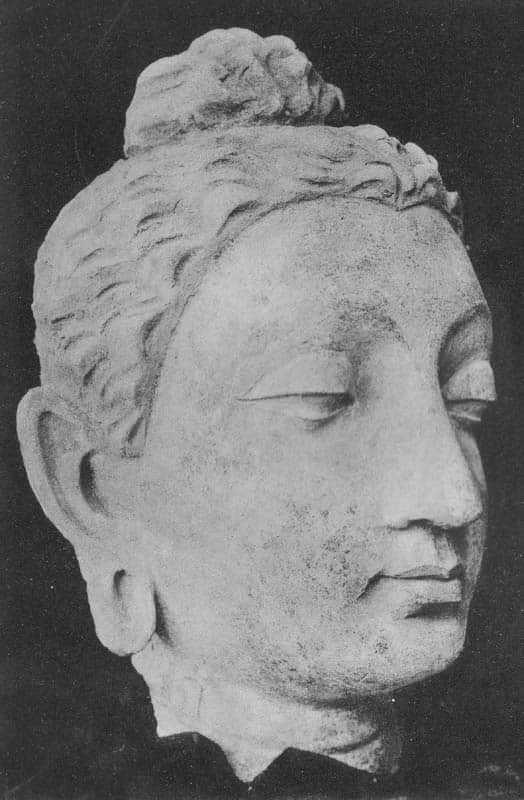
The Hellenistic echo
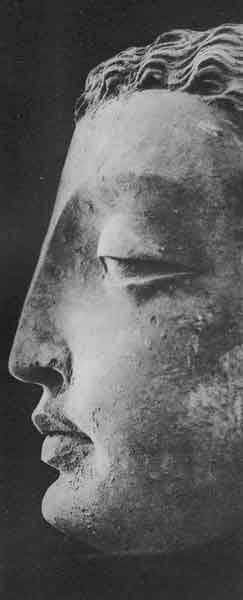
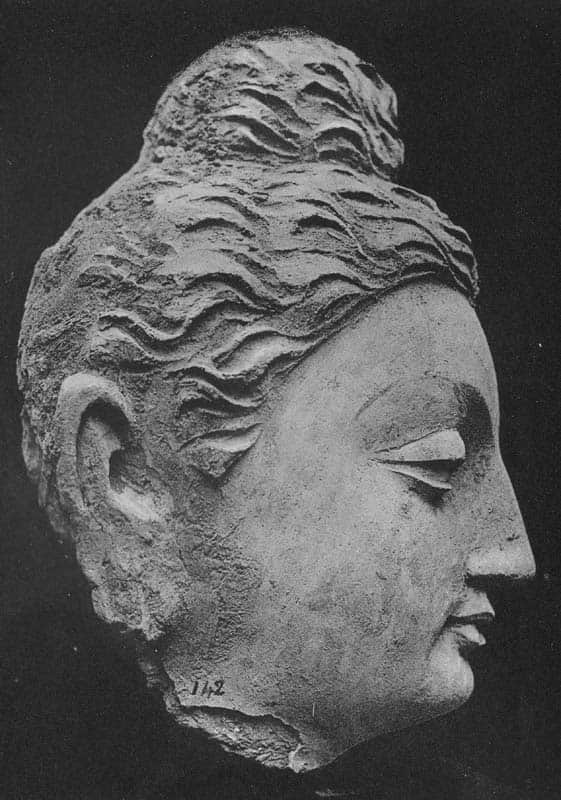
Aquiline noses, straight brow lines, deep-set gazes and expressive pathos: on many faces from Haḍḍa, the canons of Hellenistic art blend with Indian ones. This tour brings together twenty sculptures where this influence is most visible: Buddha profiles, Bodhisattvas with the grace of putti, deities, grimacing heads and demons with handsome, stern faces.
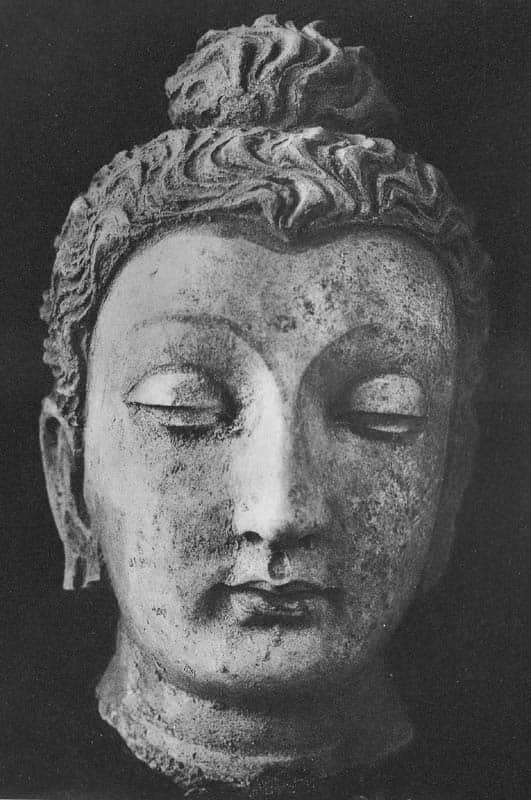
20 works
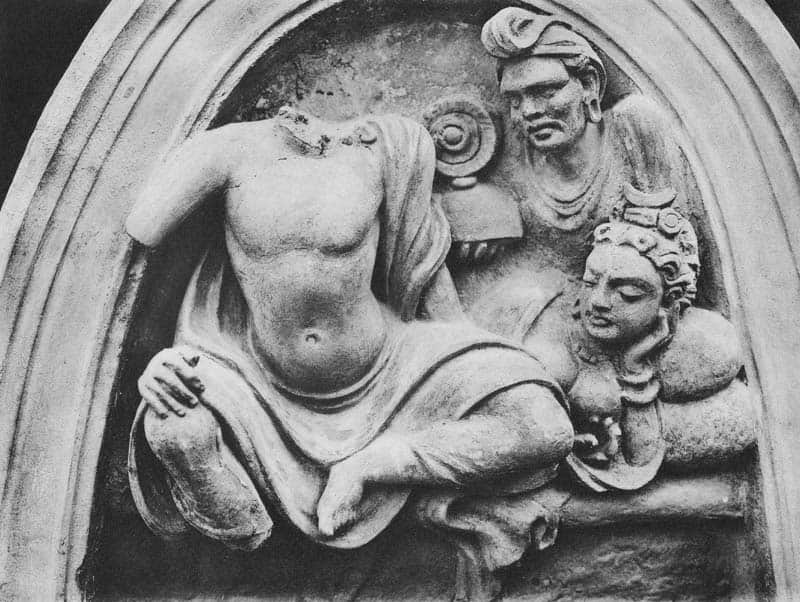
Traces of colour
The stuccoes of Haḍḍa were not white: brows drawn with a brush, hair outlined in red, painted pupils, ūrṇā and lips. This tour gathers twenty works whose descriptions record remains of polychromy, from simple red outlines to a head whose colours are particularly well preserved, and ends with a fragment from a chapel where an unfinished wall painting was uncovered.
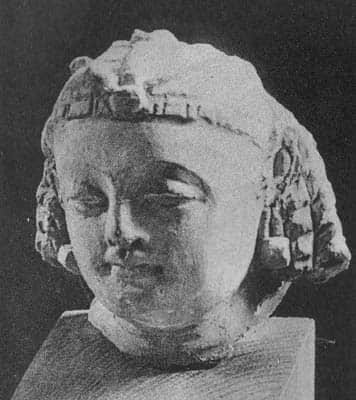
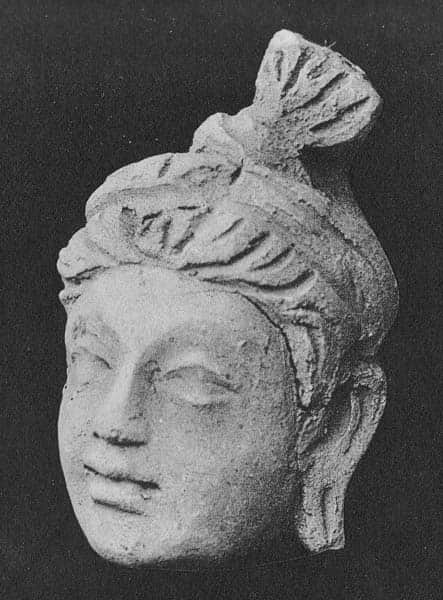
20 works
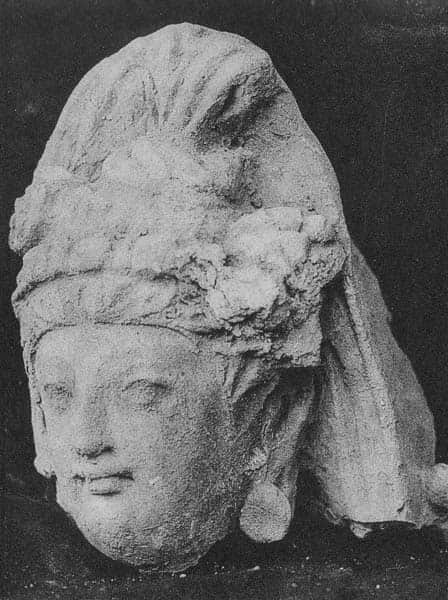
Turbans and diadems
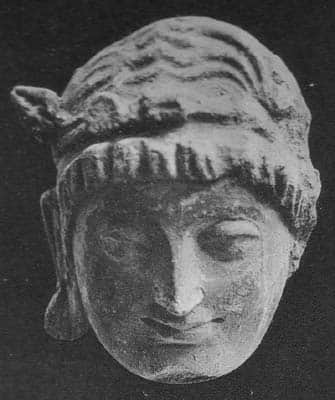
At Haḍḍa, the headdress makes the figure: preformed Bodhisattva turbans with palmettes and braid trims, the high goldsmith's diadems (mukuṭa) of the god Indra, pearled bands, spiralling chignons. This tour follows these head ornaments across twenty sculptures, from the squire Chandaka and his unusual turban to Garuḍa himself, coiffed like a Bodhisattva, not forgetting donors wearing turbans of local type.
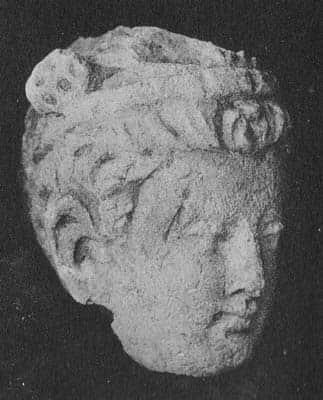
19 works
The female donors of Haḍḍa
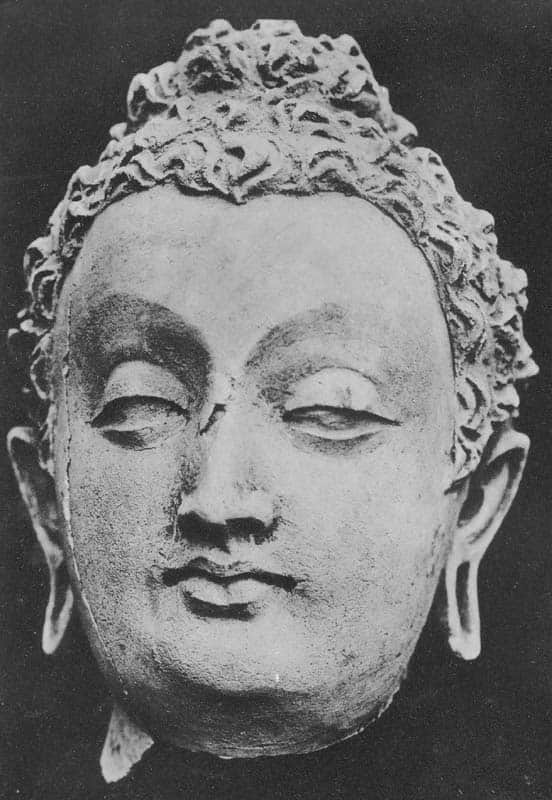
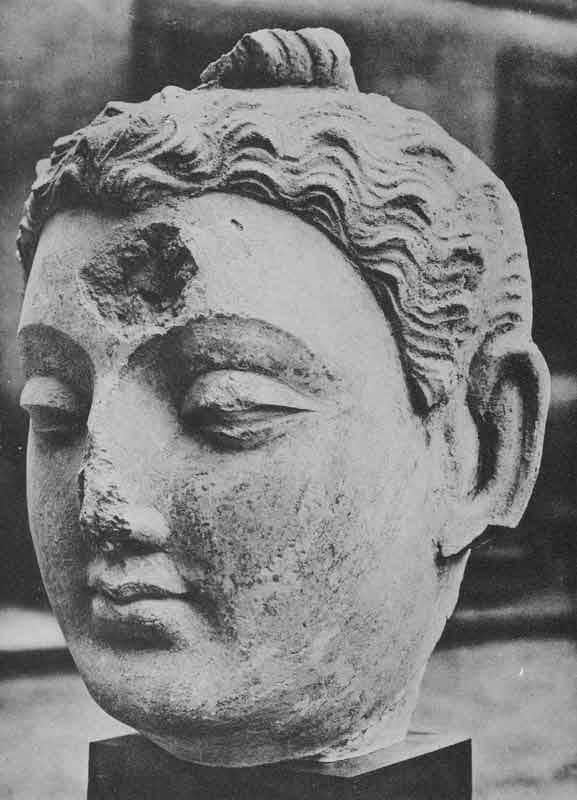
Alongside the Buddhas and the monks, the monasteries of Haḍḍa preserved the faces of the laypeople who sustained them. This tour gathers nineteen female or youthful donor heads: pearl diadems, spiral-wound turbans, chignons bound with ribbons, idealised smiling faces. Several remain of uncertain identification, between donor, deity or genie.
18 works
Indian Influences in the Art of Haḍḍa
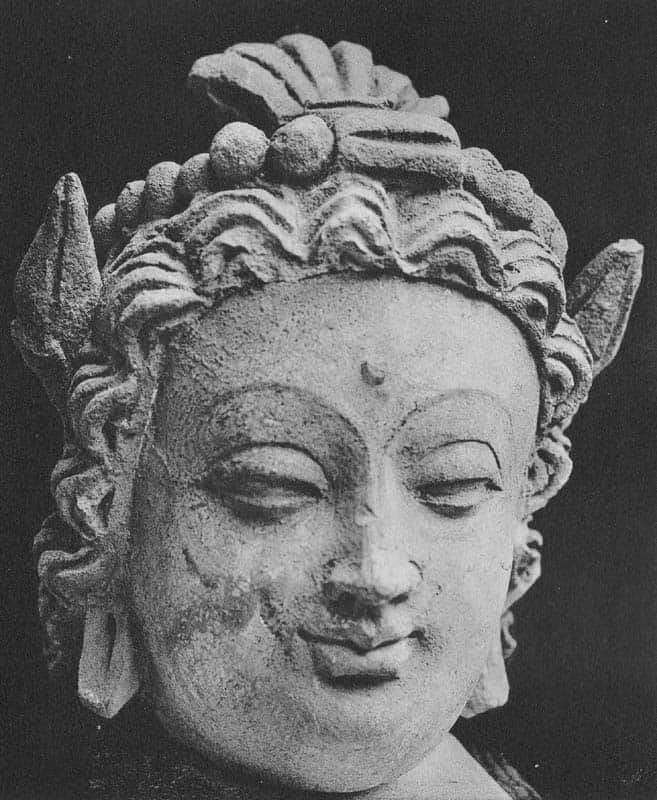
Round smiling faces, almond-shaped eyes, earlobes stretched by heavy jewellery: the Indian component of the art of Haḍḍa can be read on many of the works. This trail brings together eighteen sculptures whose entries point it out explicitly, from Buddhas and Bodhisattvas 'of Indian type' to the famous Genius with Flowers, whose face alone is Greek. It closes with reliefs whose motifs refer directly to ancient India, from the chariot depicted at Sāñcī to the makaras of the toraṇas. A mirror to the 'Hellenistic Echo' trail, it reveals the other side of the synthesis achieved at Haḍḍa.
20 works
Central Asian Influences in the Art of Haḍḍa
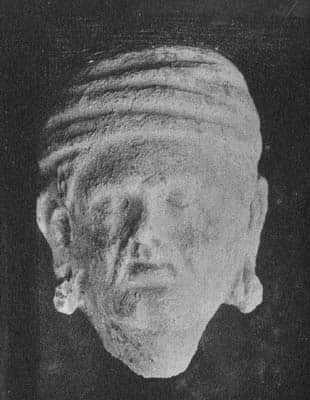
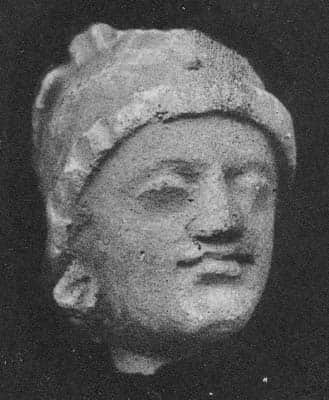
The art of Haḍḍa blends many contributions, and several works in the collection bear their trace. This trail brings together twenty sculptures whose descriptions note a Central Asian or Iranian inspiration: heads of Buddha and Bodhisattva, deities, brahmins and warriors, up to a scene of the Renunciation. Round faces with elongated eyes, ornate diadems and turbans, an Iranian — perhaps Hephthalite — crescent: so many echoes of Central Asia in the monasteries of Haḍḍa.
17 works
Local Types in the Art of Haḍḍa
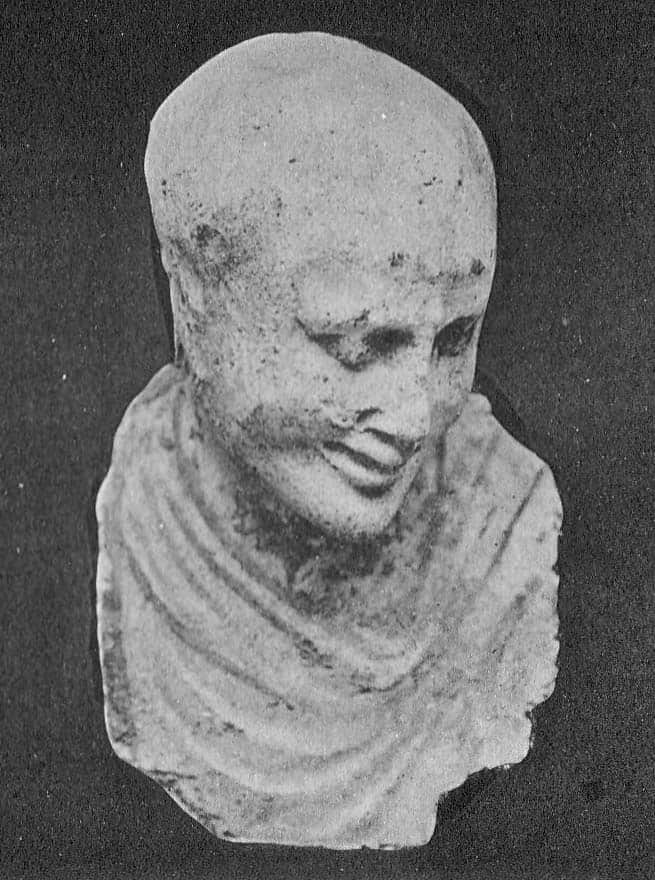
On many of the faces modelled at Haḍḍa, the descriptions identify a "local type". This trail brings together seventeen stucco sculptures: young and elderly donors, warriors in turbans or helmets, and even a Bodhisattva whose face is inspired by a local ethnic type. As a counterpoint, a head of Indra or of a Bodhisattva that is not of the local type and the warrior nicknamed the "Gaulish barbarian" recall that at Haḍḍa local influences mingle with Western, Indian, Iranian and Central Asian ones.
14 works
The Art of Portraiture at Haḍḍa
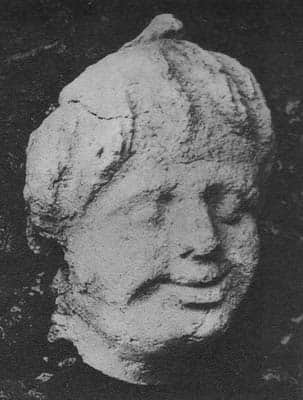
Alongside the idealized faces of the Buddha, the modellers of Haḍḍa also shaped figures with strongly individualized features: furrowed brows, tormented expressions, smiles sketched from life. This trail brings together fourteen sculptures whose descriptions speak of portraiture, realism, individualization or caricature: young and elderly monks, donors, warriors and demons. From near-caricature to the handsome face of the Genius with Flowers, which recalls certain portraits of Alexander the Great, it reveals the other side of the art of Haḍḍa.
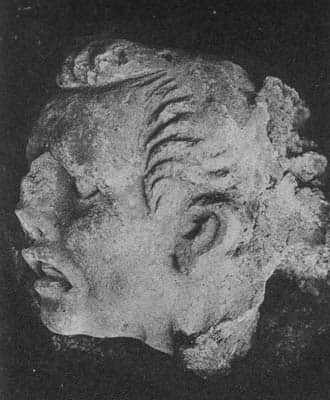
18 works
The Art of Caricature at Haḍḍa
Smiles sketched from life, grimaces, features heightened to the grotesque: the modellers of Haḍḍa also knew how to exaggerate a line. This trail brings together eighteen sculptures whose descriptions speak of caricature, the grotesque or plastic exaggeration: a laughing monk and a young donor with almost caricatural features, grimacing heads, wide-eyed warriors and atlantes, and finally demons whose expressive force verges on the fantastic.