Path 14 of 17 · 20 works
Central Asian Influences in the Art of Haḍḍa
The art of Haḍḍa blends many contributions, and several works in the collection bear their trace. This trail brings together twenty sculptures whose descriptions note a Central Asian or Iranian inspiration: heads of Buddha and Bodhisattva, deities, brahmins and warriors, up to a scene of the Renunciation. Round faces with elongated eyes, ornate diadems and turbans, an Iranian — perhaps Hephthalite — crescent: so many echoes of Central Asia in the monasteries of Haḍḍa.
Locate these works on the excavation plan(6/20)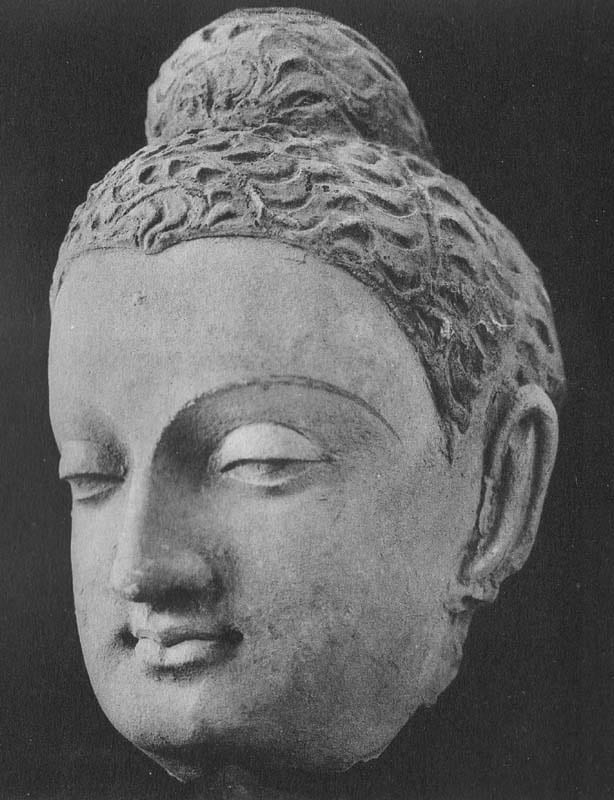
1 / 20
Head of Buddha
Tapa Kalān · Stucco
Domed forehead, broad brow arches and a square lower face: a Buddha whose features are of Central Asian inspiration.
2 / 20
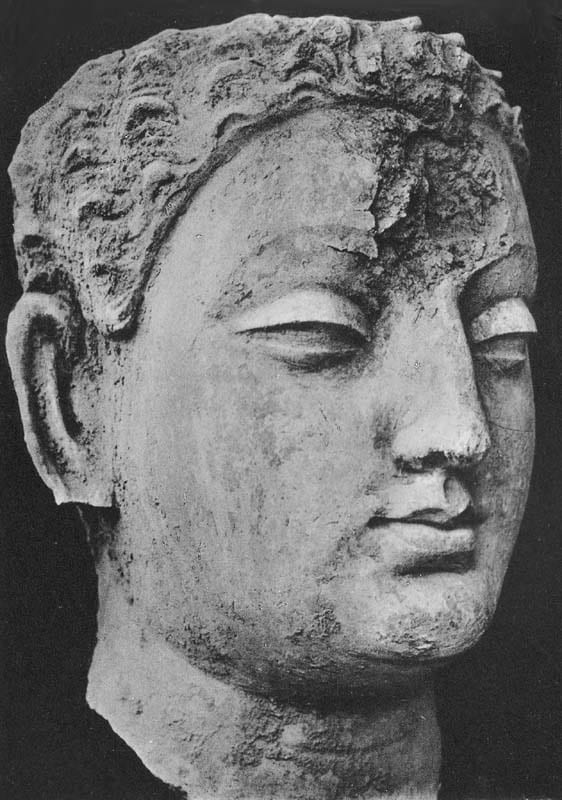
Head of Buddha
Tapa-i Kafarihā · Stucco
Beneath this Buddha's amused smile, the features blend Western and Central Asian influences.
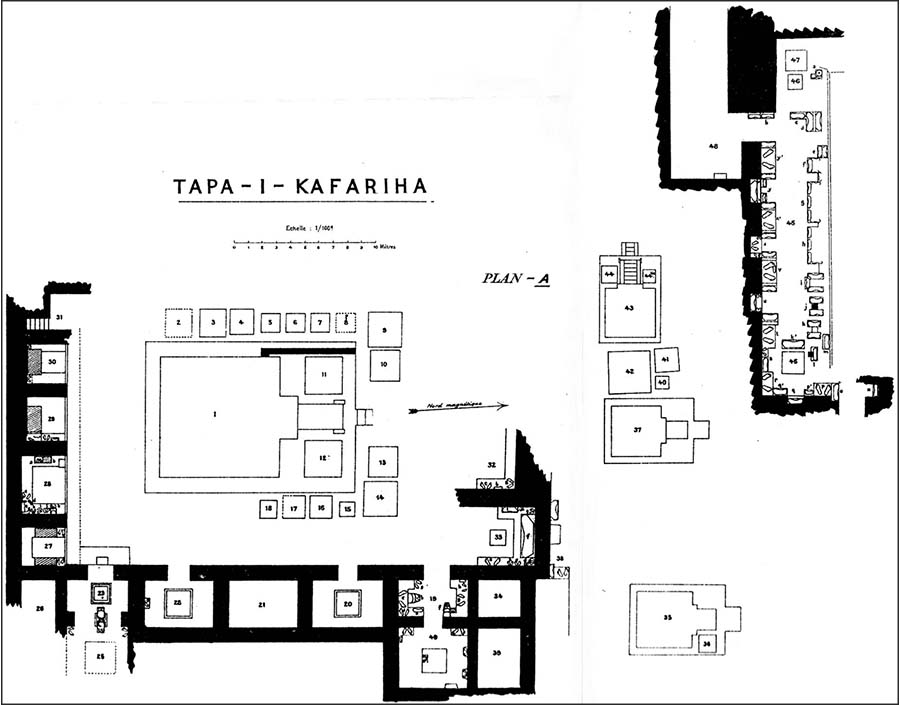
FindspotTapa-i Kafarihā 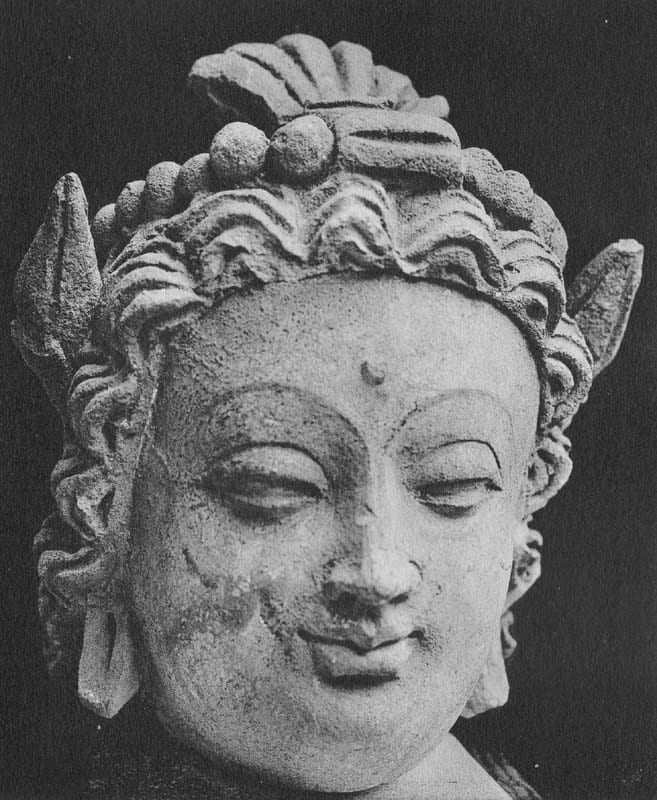
3 / 20
Head of Bodhisattva
Tapa-i Kafarihā · Stucco
A pearl diadem with fan-shaped palmette and a round smiling face: a Bodhisattva of Central Asian inspiration.
FindspotTapa-i Kafarihā 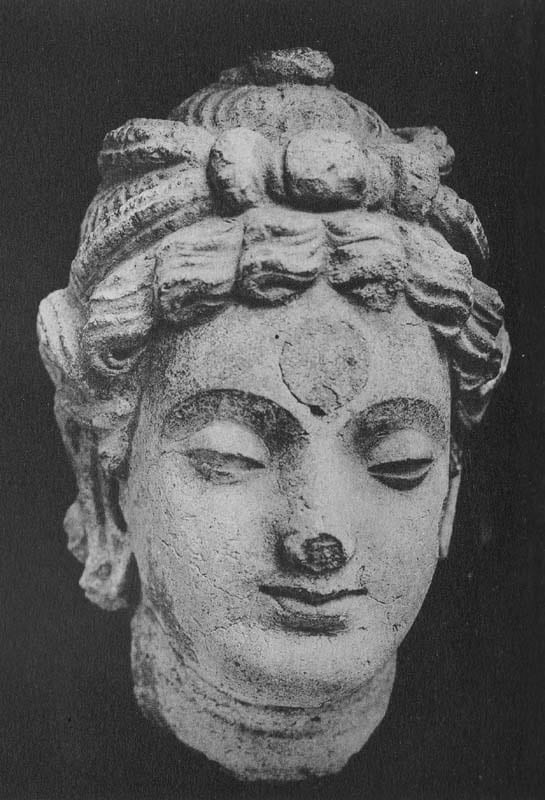
4 / 20
Head of Bodhisattva
Bāgh Gaï · Stucco
The almost feminine features of this Bodhisattva reflect a Central Asian inspiration.
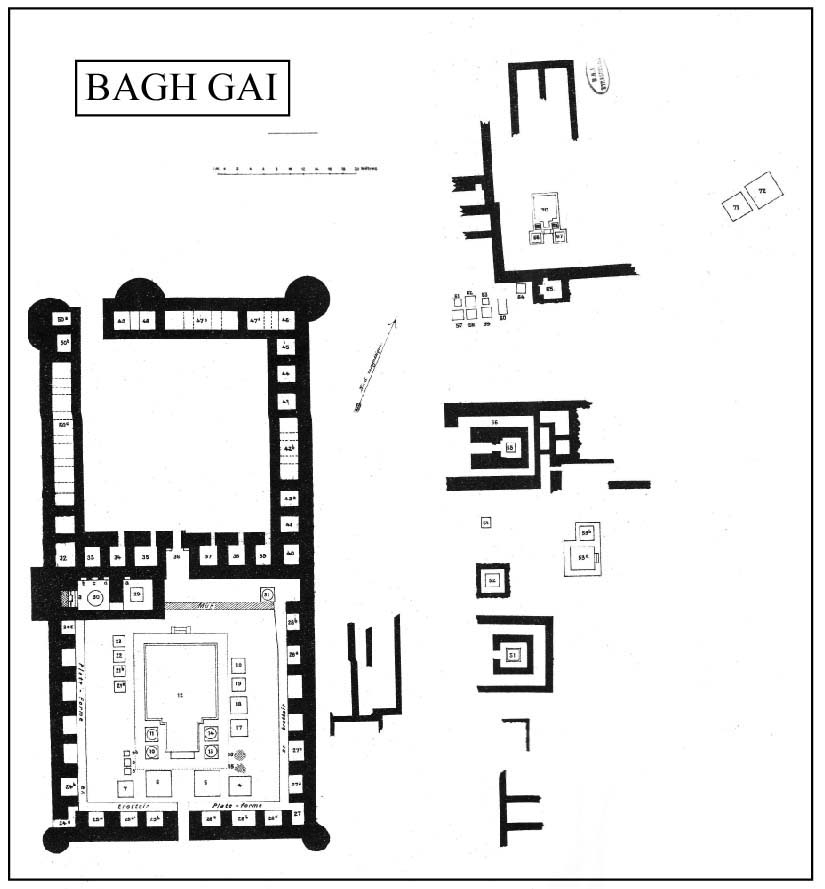
FindspotBāgh Gaï 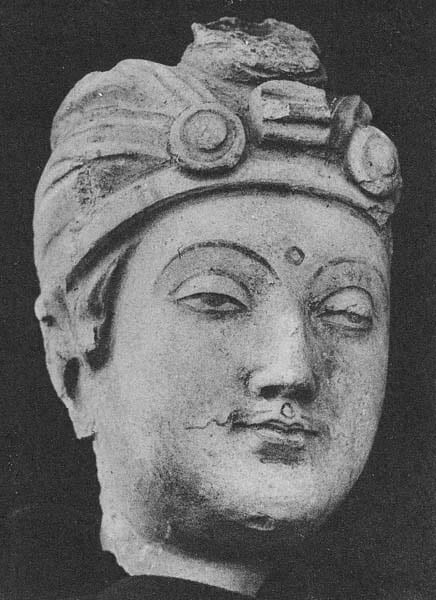
5 / 20
Head of Bodhisattva
Bāgh Gaï · Stucco
A preformed turban and well-preserved polychromy for this Bodhisattva, whose style is of Central Asian inspiration.
FindspotBāgh Gaï 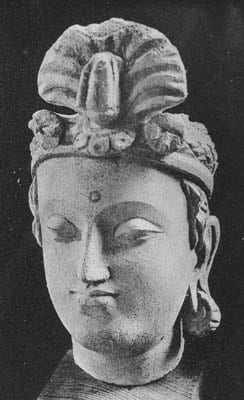
6 / 20
Head of Bodhisattva
Tapa-i Kafarihā · Stucco
In this delicate face, both Indian and Central Asian influences can be perceived.
FindspotTapa-i Kafarihā 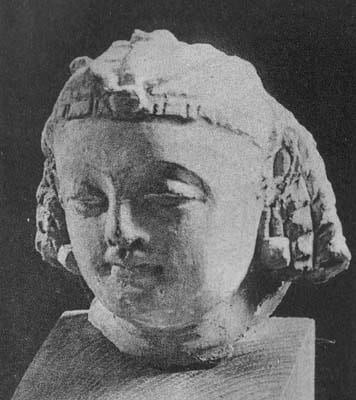
7 / 20
Head of Bodhisattva
Bāgh Gaï · Stucco
Beneath a rigid turban with a central medallion, a round idealized face echoing certain Central Asian works.
FindspotBāgh Gaï 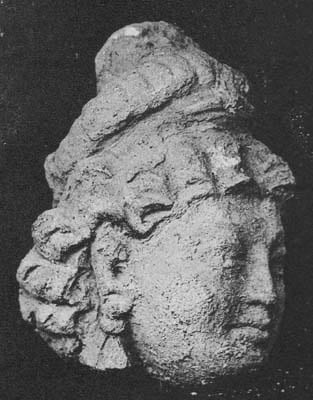
8 / 20
Head of Bodhisattva
Tapa Kalān · Stucco
The full, square face of this diademed Bodhisattva recalls certain Central Asian works.
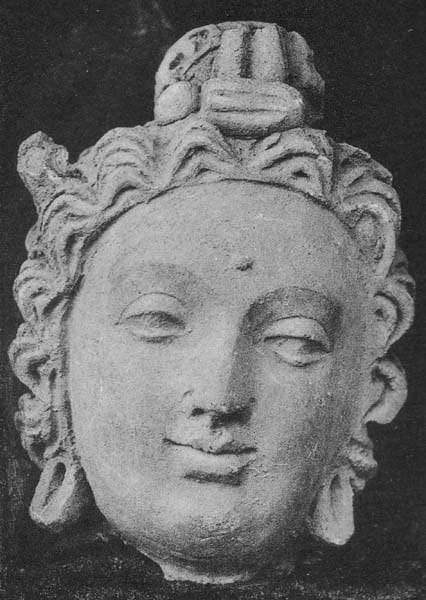
9 / 20
Head of Bodhisattva
Bāgh Gaï · Stucco
Round smiling face, pearl diadem around the chignon: this Bodhisattva recalls certain Central Asian works.
FindspotBāgh Gaï 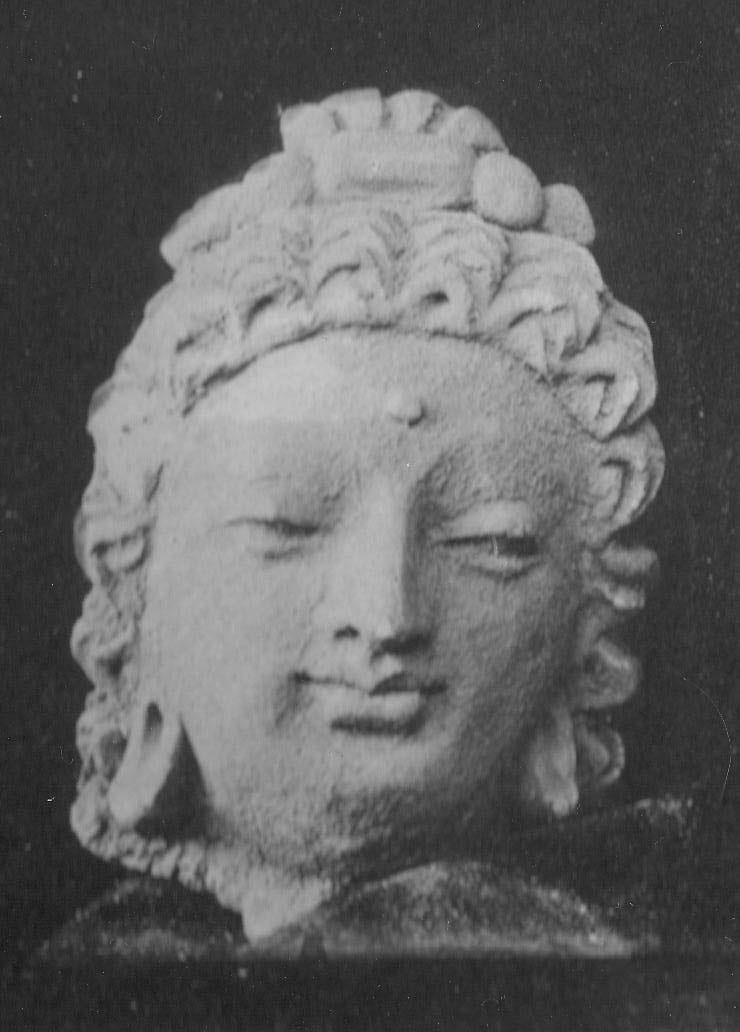
10 / 20
Head of Bodhisattva
Pratès · Stucco
Flame-shaped curls and a palmette diadem: the style echoes Central Asian Buddhist art.
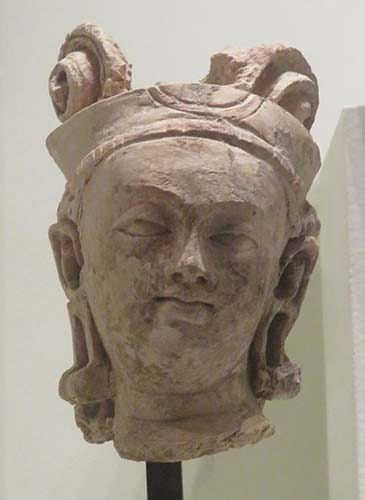
11 / 20
Head of god Indra
Tapa Kalān · Stucco
This Indra's headdress bears an Iranian crescent, perhaps Hephthalite, the mark of a Central Asian inspiration.
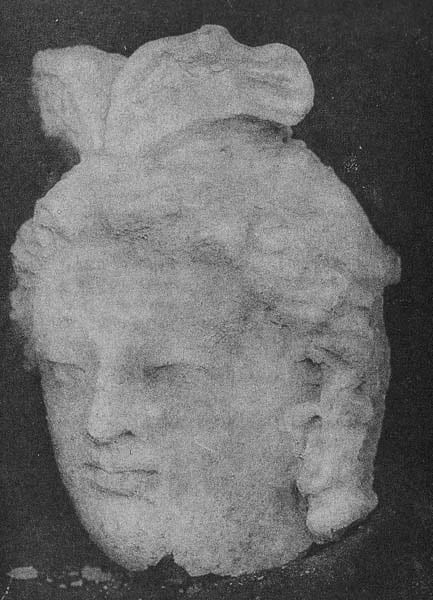
12 / 20
Head of god Indra or a Bodhisattva
Tapa Kalān · Stucco
Nearly closed eyelids and narrow eyes: the face of this Indra or Bodhisattva recalls certain Central Asian works.
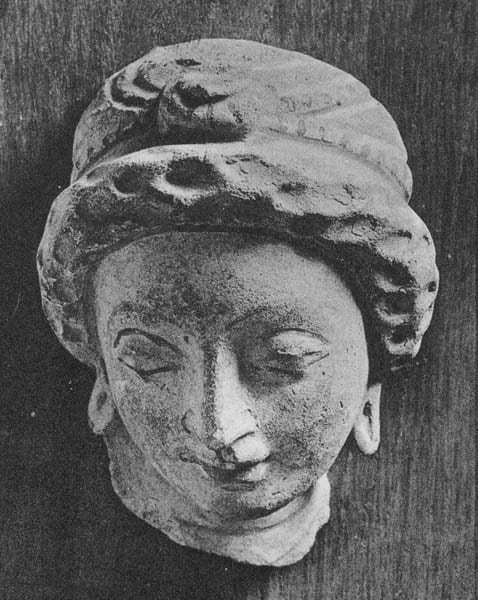
13 / 20
Head of a female donor, or deity
Bāgh Gaï · Stucco
This female head with a double diadem, donor or deity, recalls in its style certain Central Asian works.
FindspotBāgh Gaï 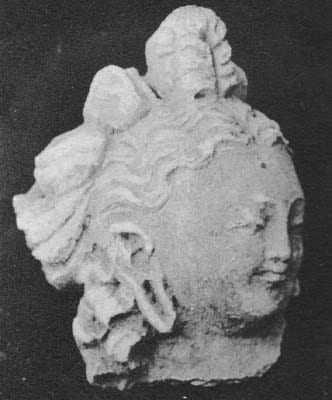
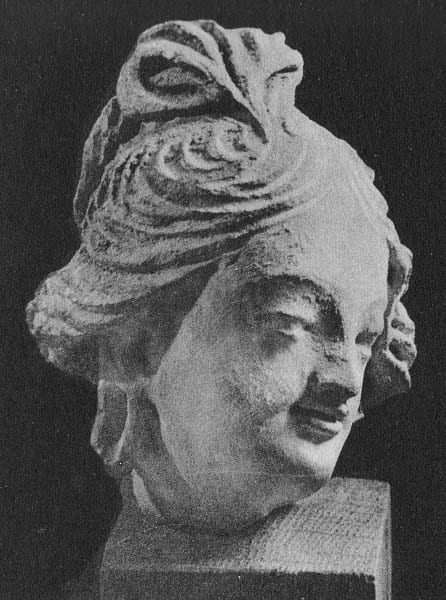
14 / 20
Head of god Brahma, a young brahman or a Bodhisattva
Tapa Kalān · Stucco
Brahma, brahmin or Bodhisattva? Its idealized, smiling face echoes certain Central Asian works.
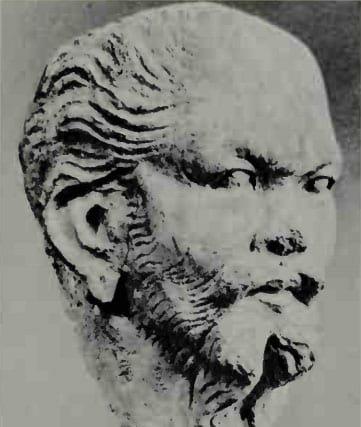
15 / 20
Head of brahman
Tapa Kalān · Stucco
Fan-shaped chignon and idealized face: the features of this figure, a brahmin or a Bodhisattva, echo certain Central Asian works.
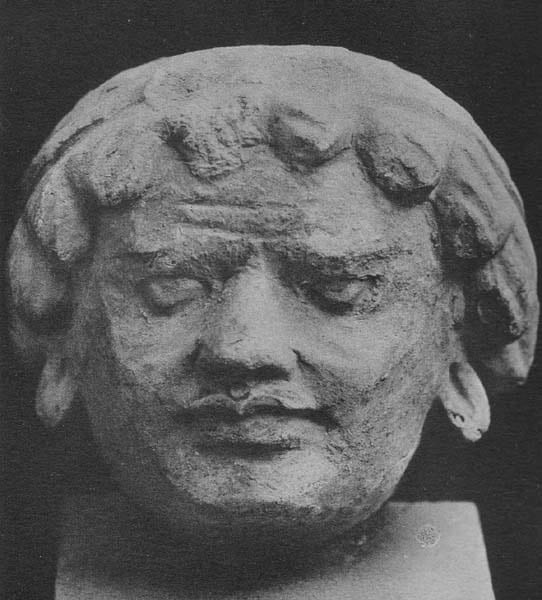
16 / 20
Head of Brahman
Haḍḍa, lost location · Stucco
A mature brahmin with a stern gaze and a Central Asian cast of features.
17 / 20
Bust of Pançika
Bāgh Gaï · Stucco
Individualized features and a Central Asian cast of face for this bust of Pançika from vihāra B56 at Bāgh Gaï.
FindspotBāgh Gaï 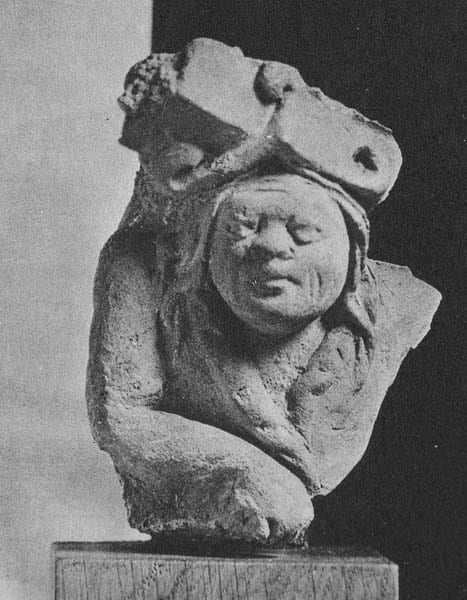
18 / 20
Bust of Warrior
Tapa-i Kafarihā · Stucco
This aged Atlas figure, with tetrahedral headdress and bordered tunic, shows a Central Asian cast of face.
FindspotTapa-i Kafarihā 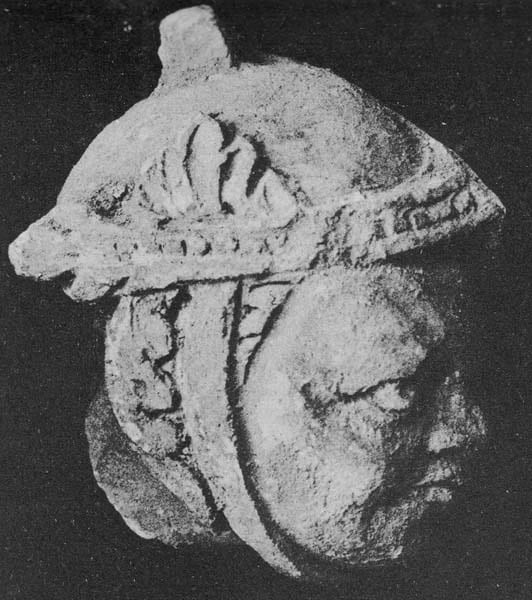
19 / 20
Head of Warrior
Tapa Kalān · Stucco
Beneath his ornate hemispherical helmet, this warrior's features bear the mark of Chinese Central Asia.
20 / 20
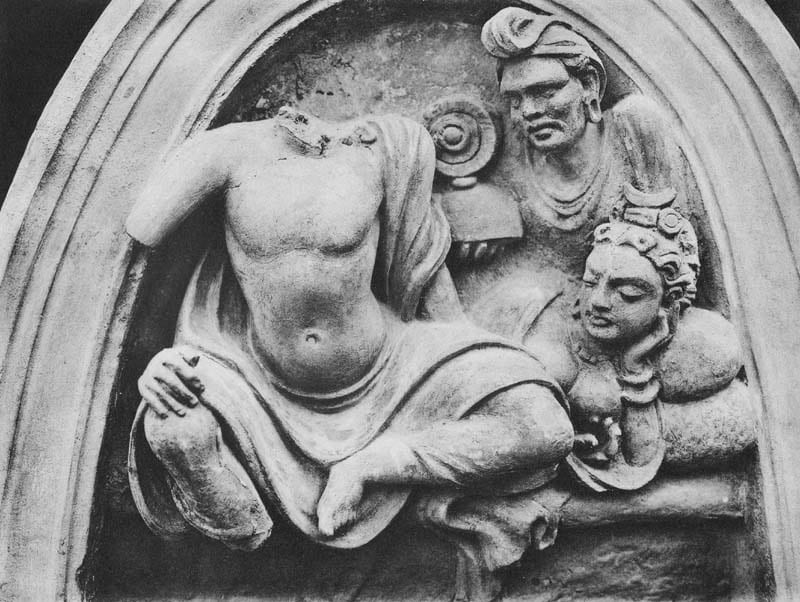
The Great Renunciation
Tapa Kalān · Stucco
In this Renunciation scene, Yaśodharā's headdress with moon and solar disc points to an Iranian, perhaps Hephthalite, influence.