The Haḍḍa School of Art: Iconographic Markers
The Buddha
54 works
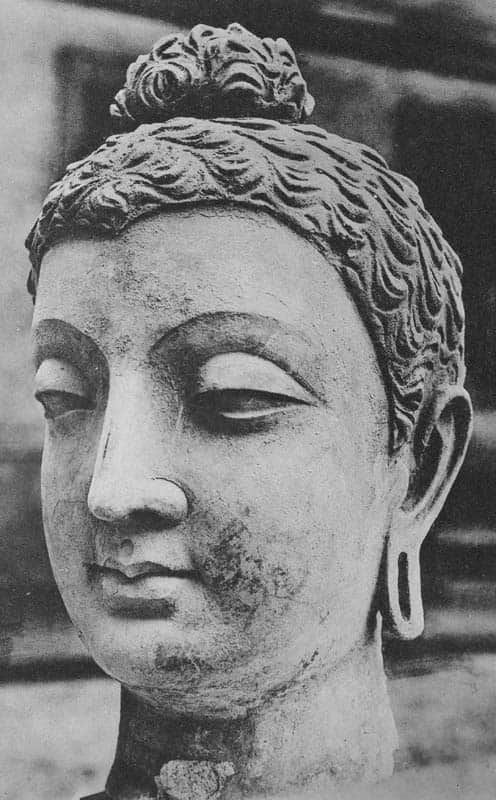
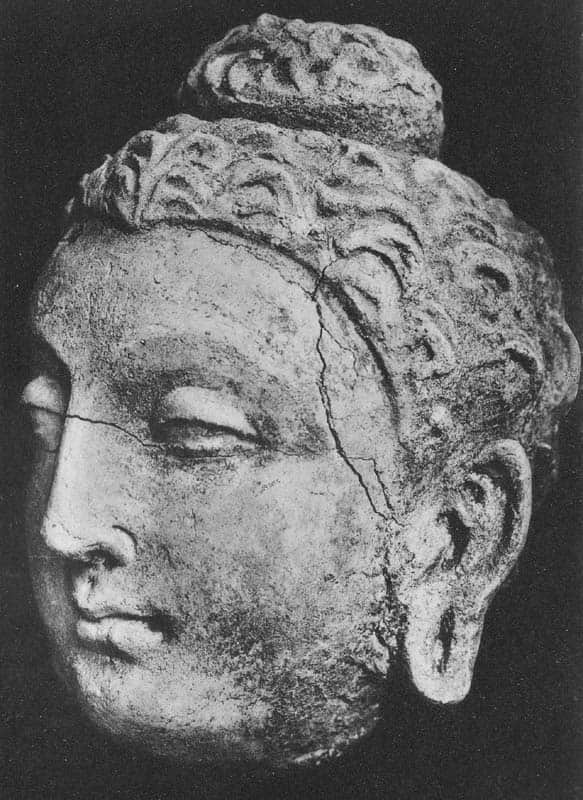
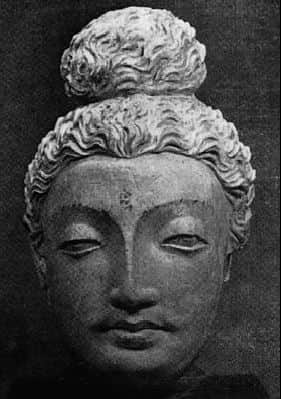
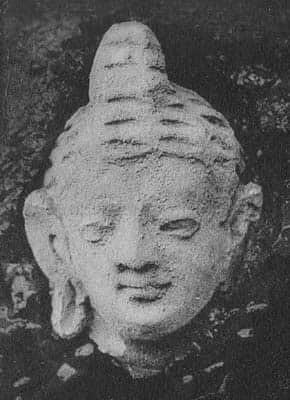
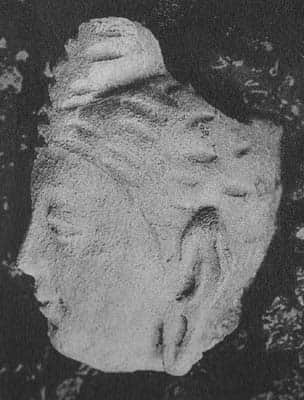
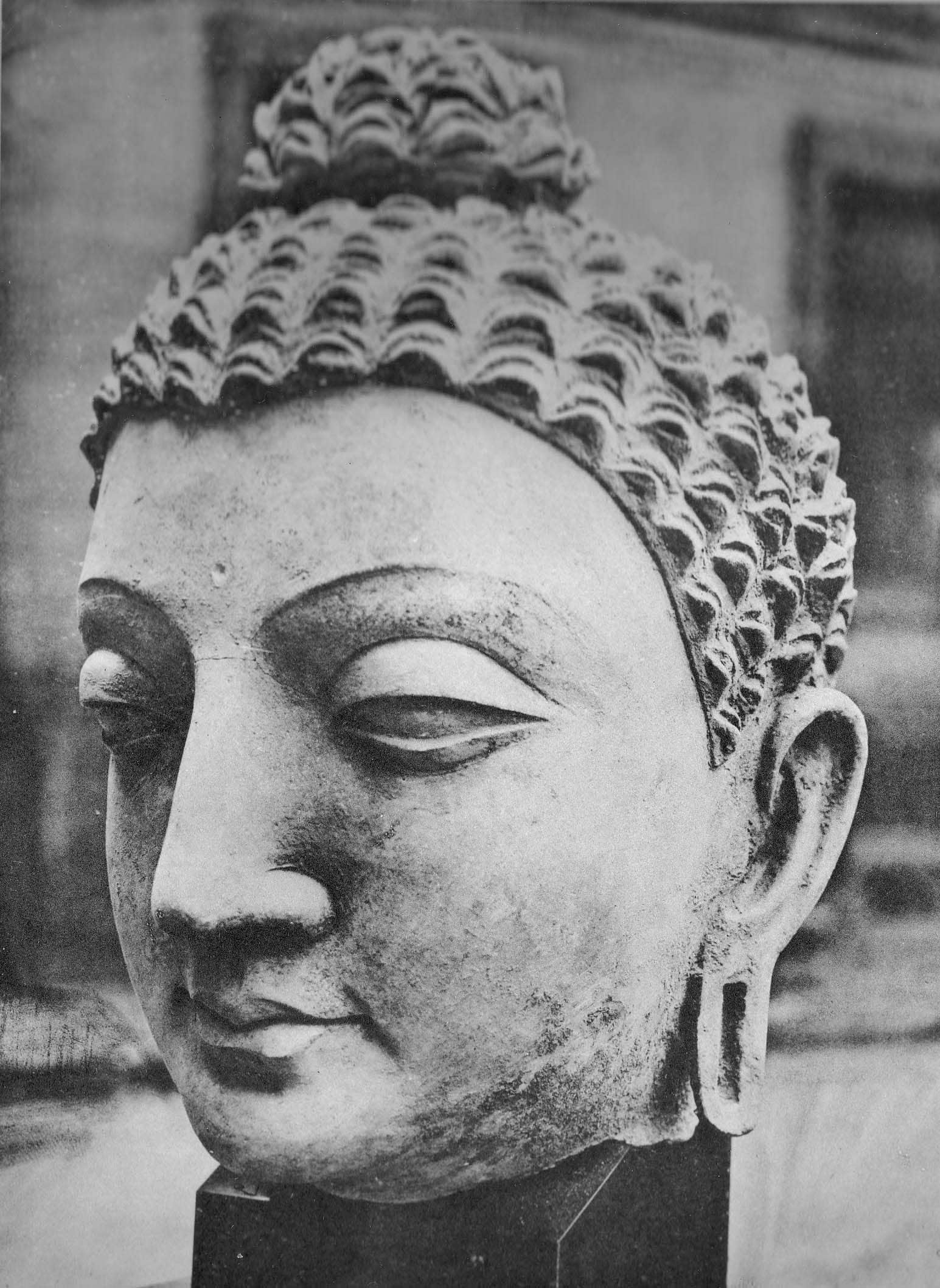
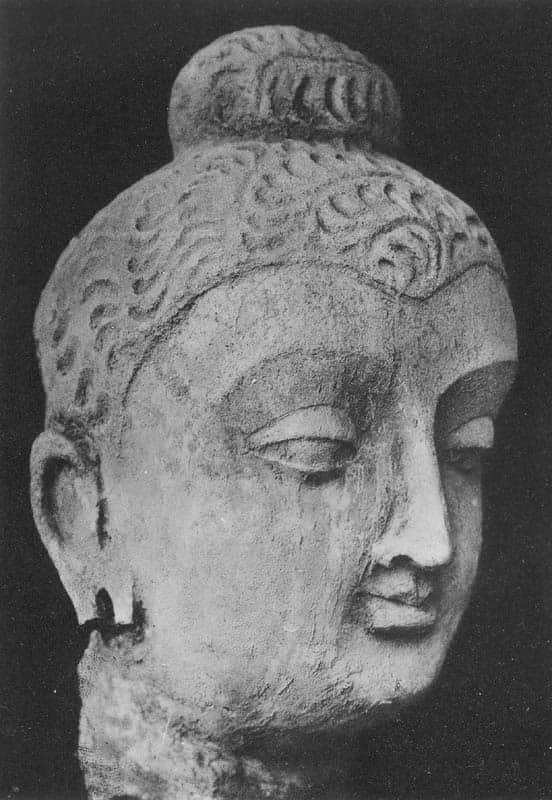
The database records describe the Buddha through his bodily marks: the cranial topknot (uṣṇīṣa) rising from wave-patterned hair, the distended earlobes (a trace of the heavy jewellery of his princely youth) and, where it survives, the ūrṇā between the eyebrows, sometimes merely painted. The face is idealised, often Hellenistic in inspiration; the body, where preserved, is wrapped in the monastic cloak (saṃghāṭi).
The distinguishing marks
Each mark points to real records that describe it.
Cranial topknot (uṣṇīṣa) within wave-patterned hair
Distended earlobes
ūrṇā between the eyebrows, often lost, perhaps painted
Monastic cloak (saṃghāṭi) on full-length figures
See in the database: HADB 470
Three works to learn to look
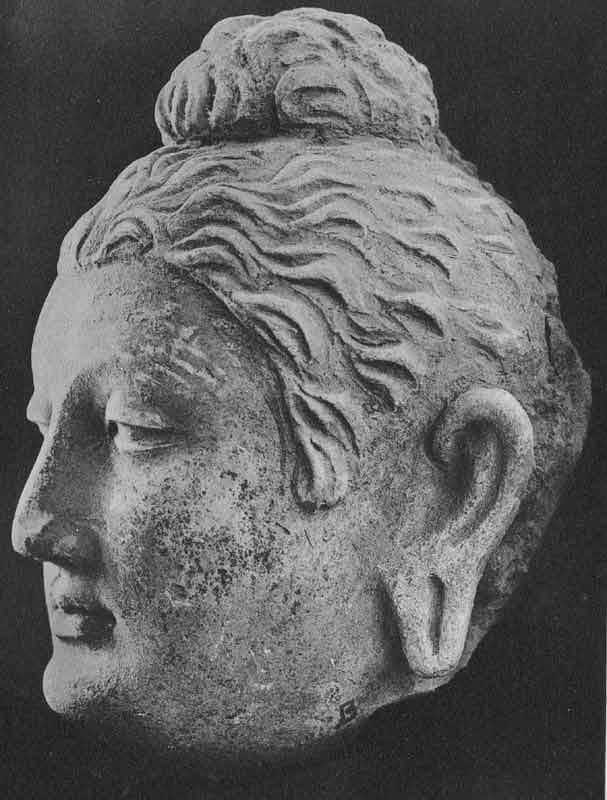
This Buddha with a hellenizing profile wears the bun uṣnīṣa, and his hair is curly parallel to the forehead. There is no trace of ūrṇā. The eyes are half-closed, the nose slightly curved; the round, prognathic chin suggests a double chin and the earlobes are elongated.
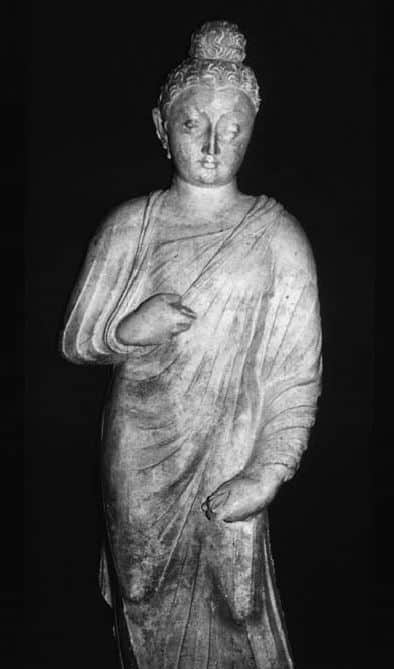
This walking Buddha dressed in the saṃghāṭi sketches a gesture often depicted in Hadda. The right elbow is draped in the cloak, the right hand emerges at chest level, hanging on the lapel of the garment, held by the thumb, while the left hand holds the drape at knee level. The facial features are of Western inspiration: right eyebrow arch, narrow, slightly bulging eyes, half-closed eyelids, aquiline nose and hemmed mouth. The hair, both on the skull and on the uṣnīṣa, is rendered in fine parallel furrows. The figure is delicately executed: the stance, the position of the body leaning on the right leg, left leg bent, the hands holding the garment, the finely depicted drapery, flowing and close to the body, have been particularly well taken care of.
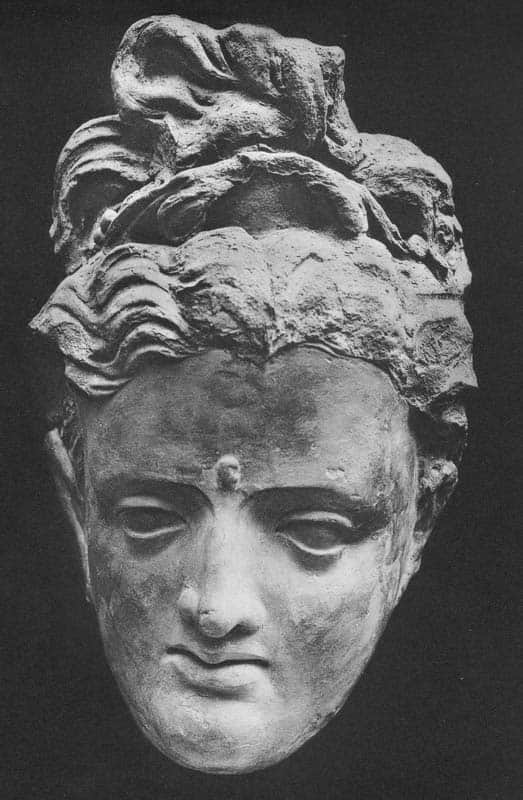
This "adorned Buddha" wears a crown of pearls decorated with three crescent moons containing an oblong pearl, which surrounds the uṣnīṣa. The hair is treated in wavy strands running from front to back. The face combines Western and Indian characteristics. The facial lines are very regular: the arch is straight, the eye is half-closed, the nose and mouth delicate. The corners of the mouth barely show a smile. The deformed earlobes are broken.
Not to be confused with
The Bodhisattva
Same idealised face and heavy topknot; only ornament (diadem, jewellery) points to the Bodhisattva. The database even holds a crowned “adorned Buddha” (HADB 21).
The brahman
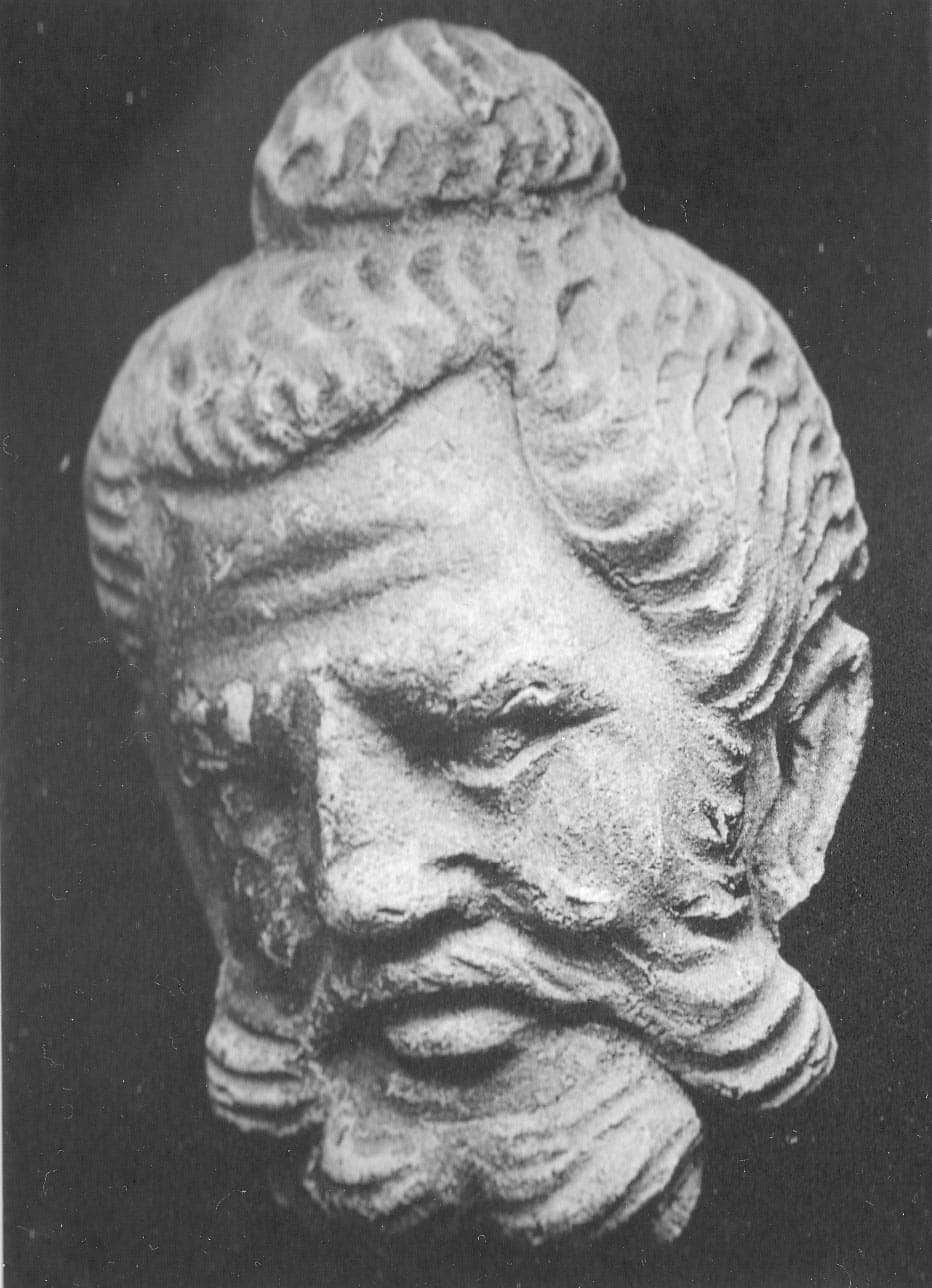
Idealised young brahmans also wear a topknot: the database itself hesitates between “Brahma or young brahman” on 20 records.
All identified works
Tapa Kalān38 works
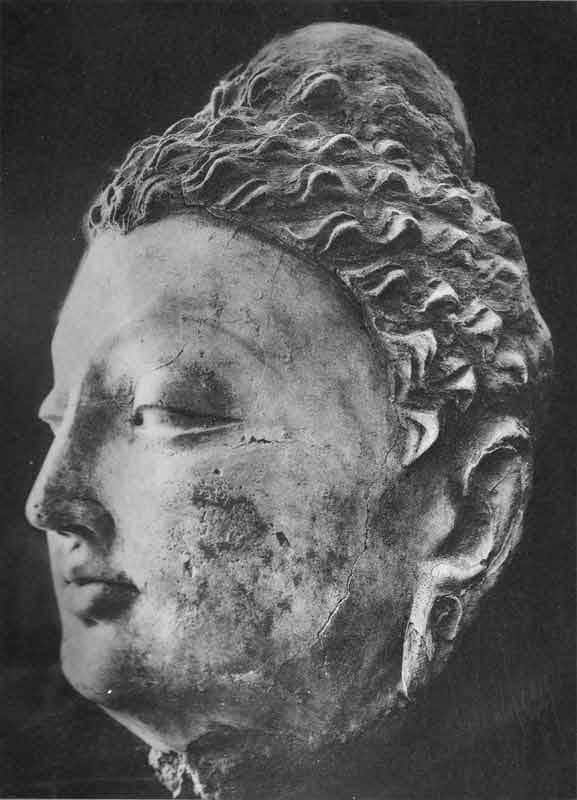
HADB 1
Head of Buddha
Stucco · Tapa Kalān
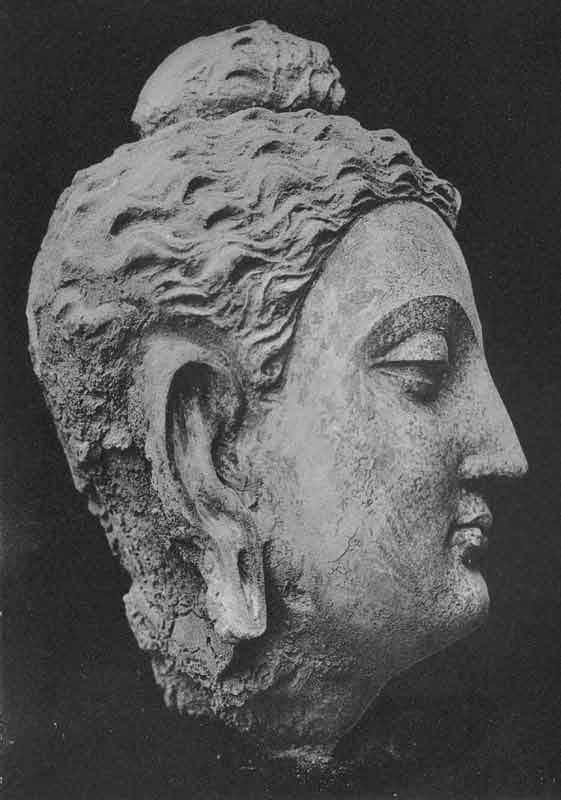
HADB 3
Head of Buddha
Stucco · Tapa Kalān
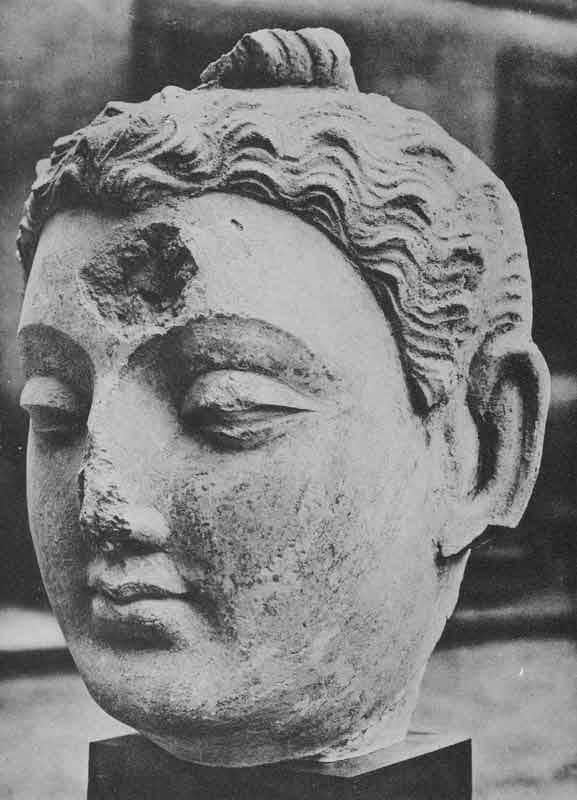
HADB 4
Head of Buddha
Stucco · Tapa Kalān
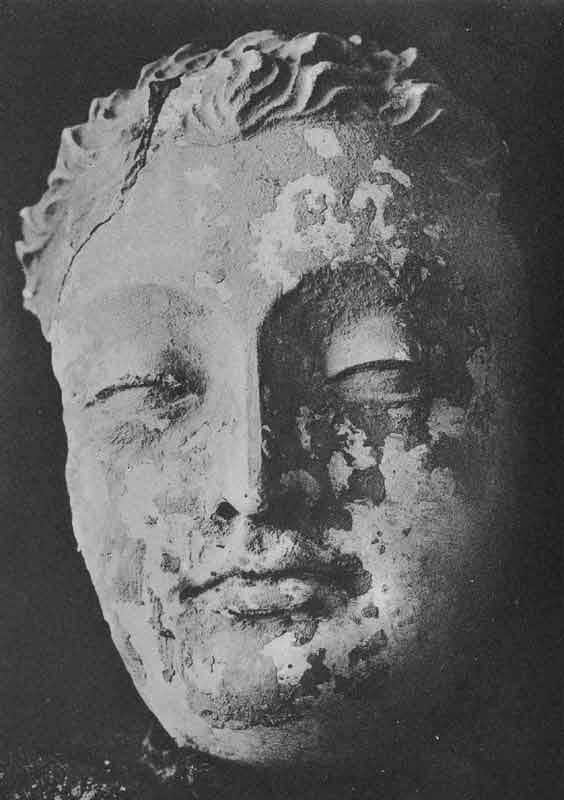
HADB 5
Head of Buddha
Lime-based Stucco · Tapa Kalān
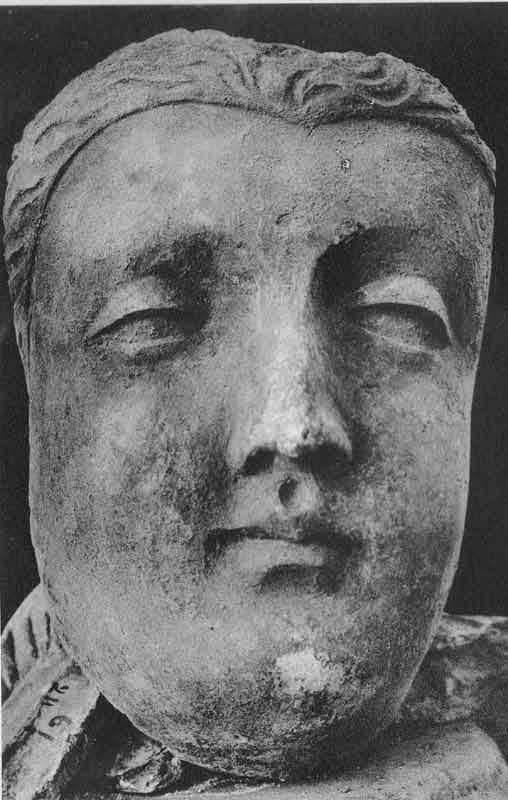
HADB 6
Head of Buddha
Stucco · Tapa Kalān
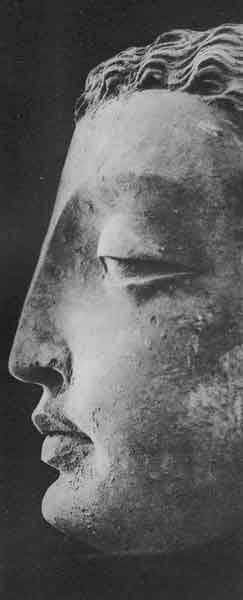
HADB 7
Head of Buddha
Stucco · Tapa Kalān
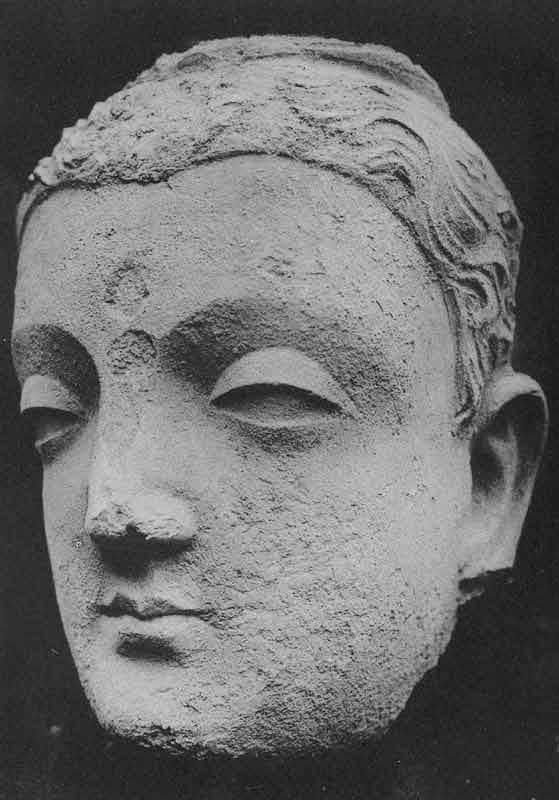
HADB 8
Head of Buddha
Stucco · Tapa Kalān
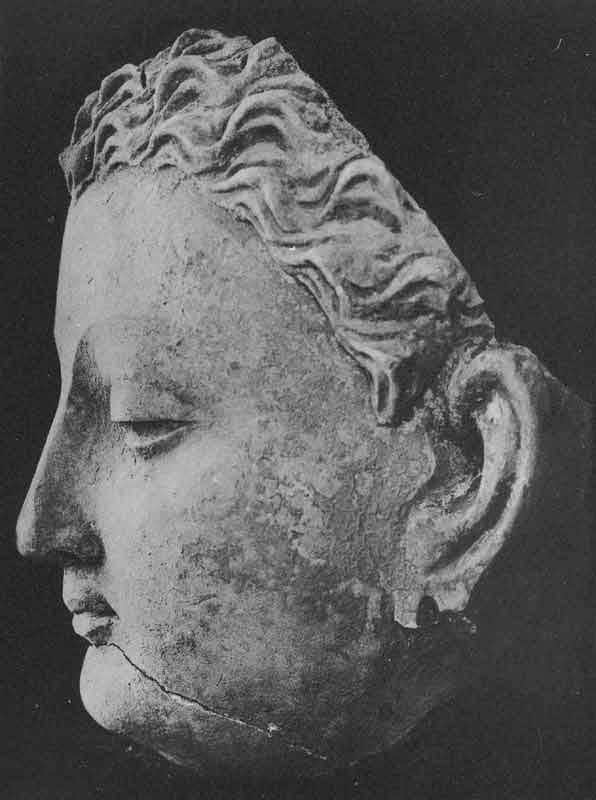
HADB 9
Head of Buddha
Stucco · Tapa Kalān
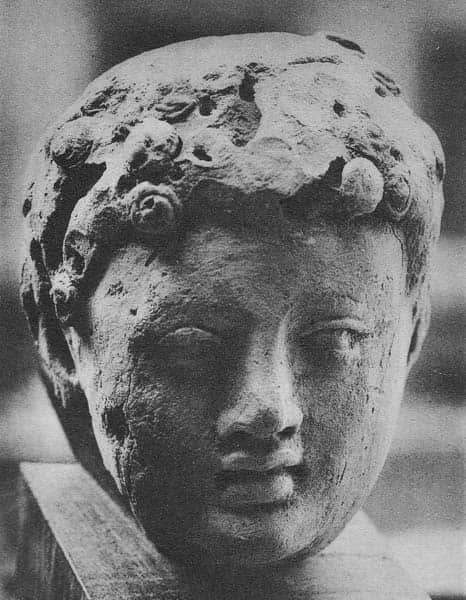
HADB 11
Head of Buddha
Stucco · Tapa Kalān
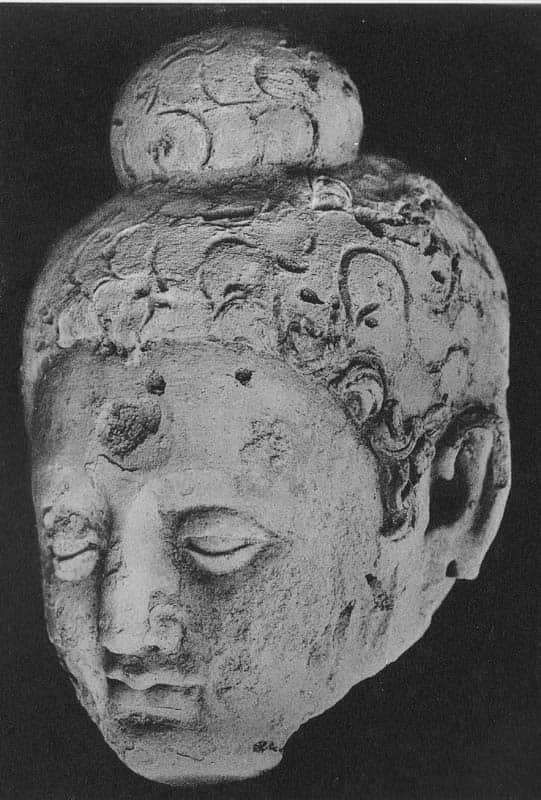
HADB 12
Head of Buddha
Stucco · Tapa Kalān
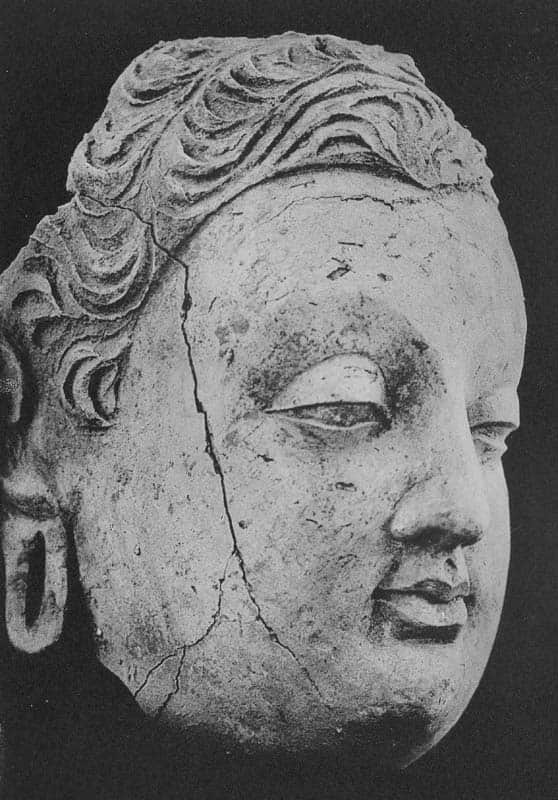
HADB 13
Head of Buddha
Stucco · Tapa Kalān
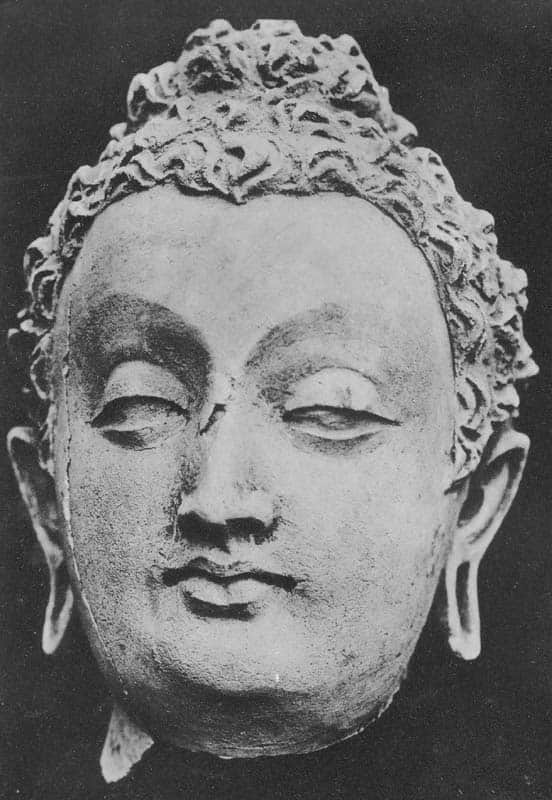
HADB 14
Head of Buddha
Stucco · Tapa Kalān
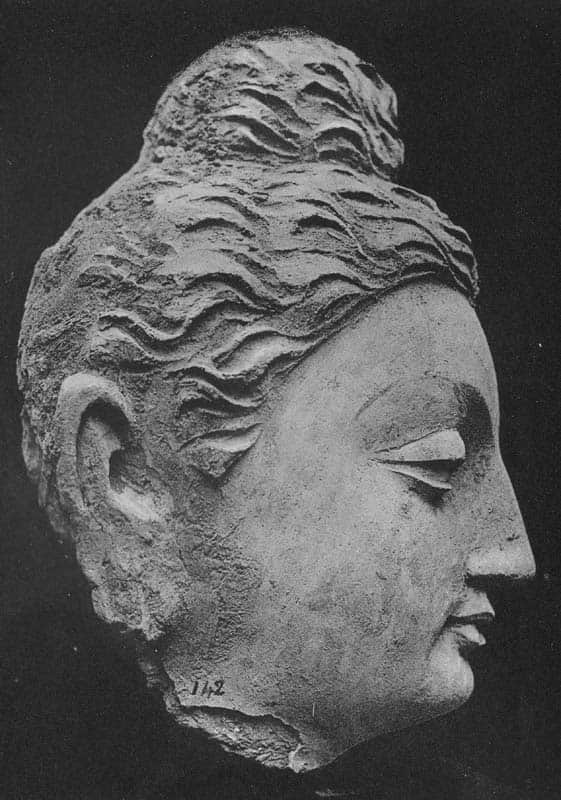
HADB 15
Head of Buddha
Stucco · Tapa Kalān
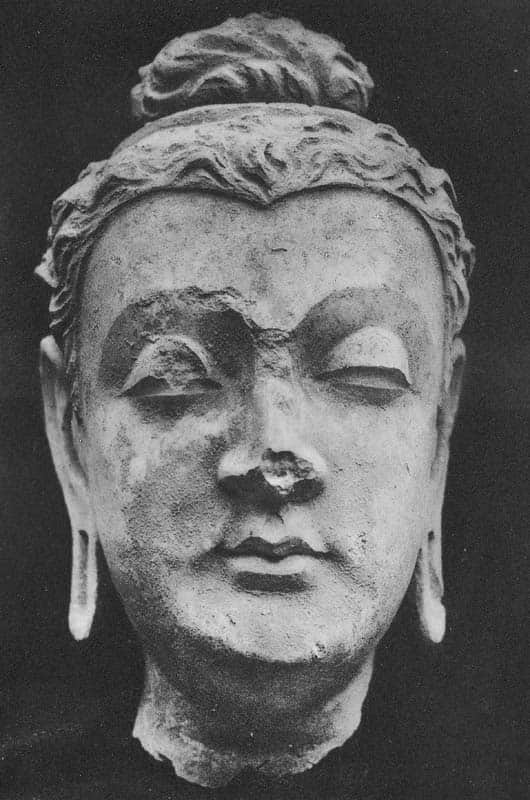
HADB 19
Head of Buddha
Stucco · Tapa Kalān
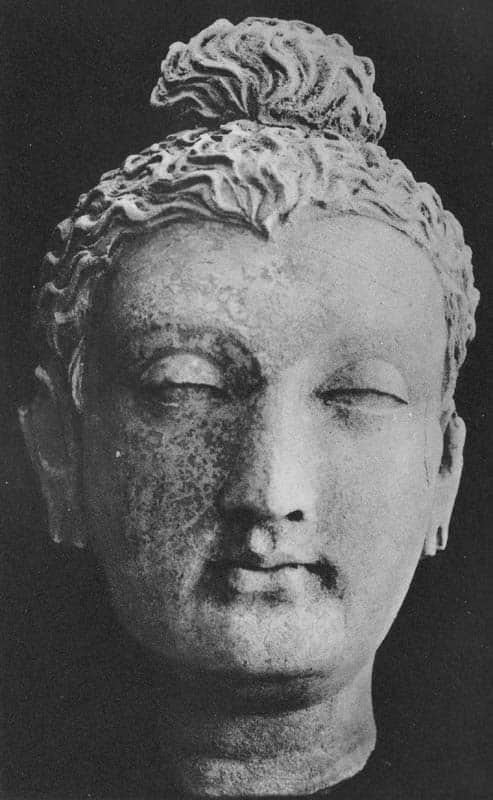
HADB 20
Head of Buddha
Stucco · Tapa Kalān
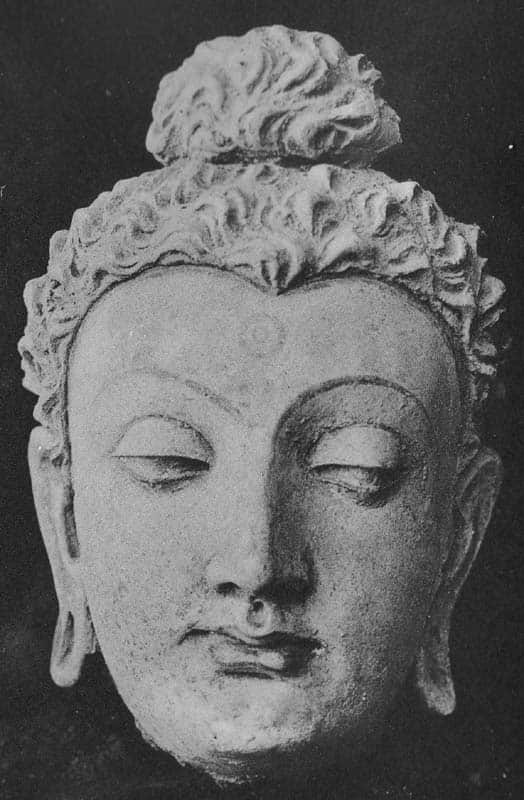
HADB 22
Head of Buddha
Stucco · Tapa Kalān
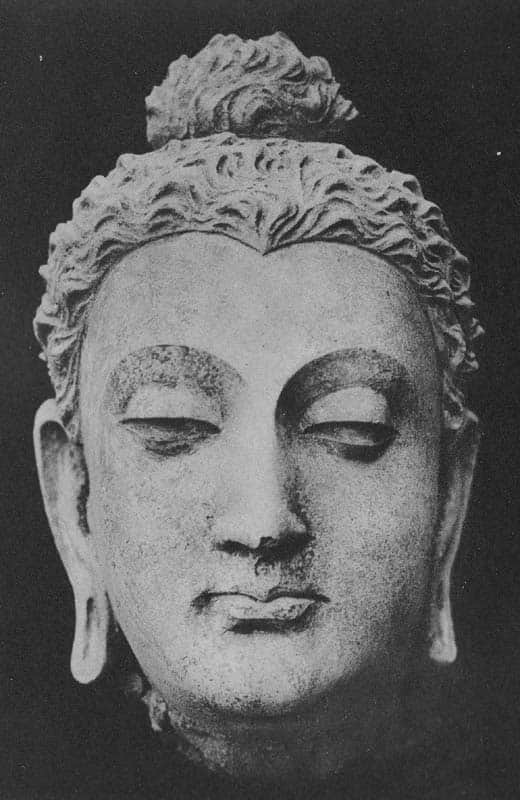
HADB 23
Head of Buddha
Stucco · Tapa Kalān
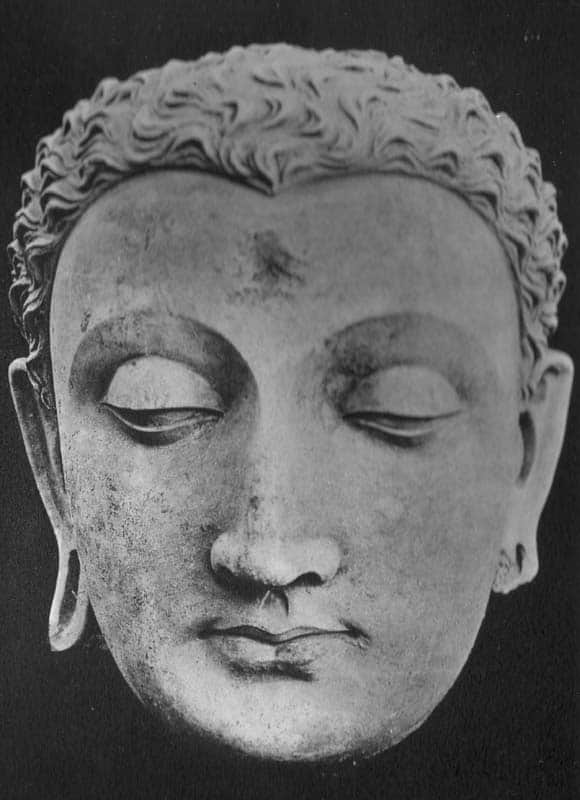
HADB 24
Head of Buddha
Stucco · Tapa Kalān
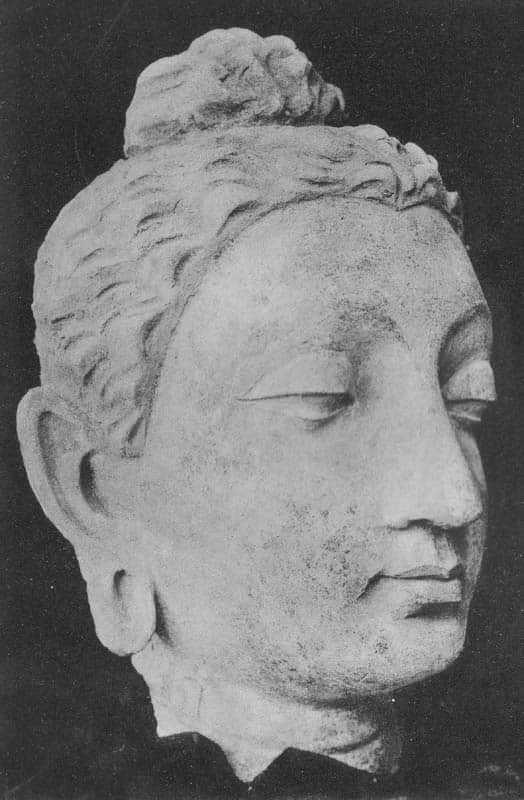
HADB 25
Head of Buddha
Stucco · Tapa Kalān
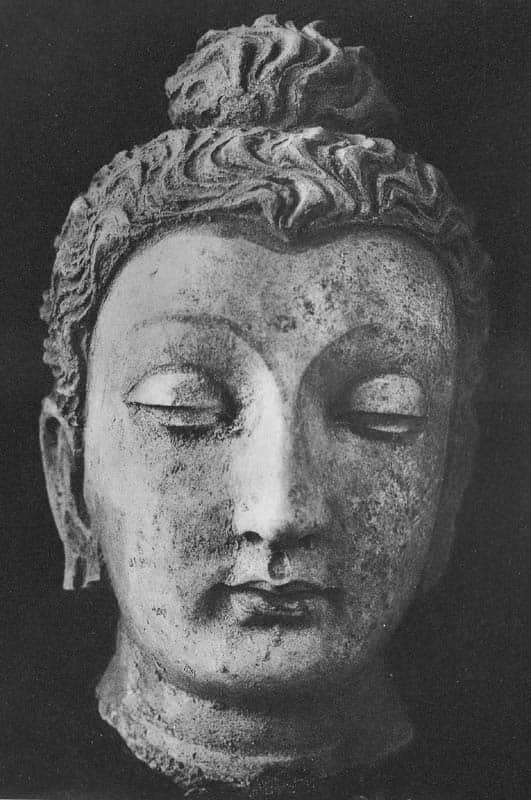
HADB 26
Head of Buddha
Stucco · Tapa Kalān
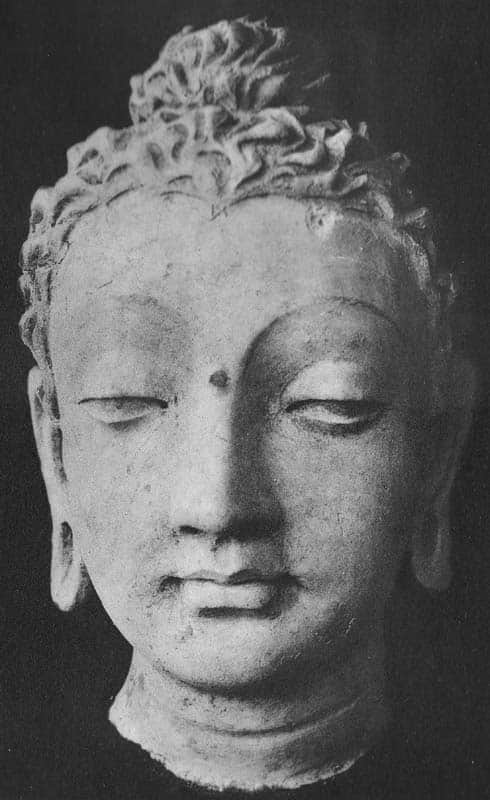
HADB 27
Head of Buddha
Stucco · Tapa Kalān
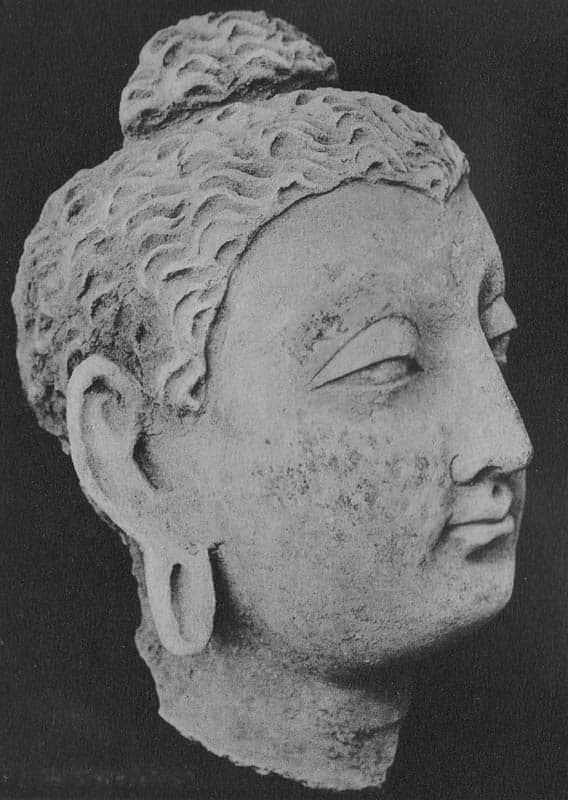
HADB 28
Head of Buddha
Stucco · Tapa Kalān
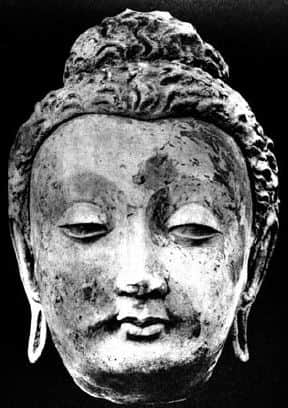
HADB 32
Head of Buddha
Stucco · Tapa Kalān
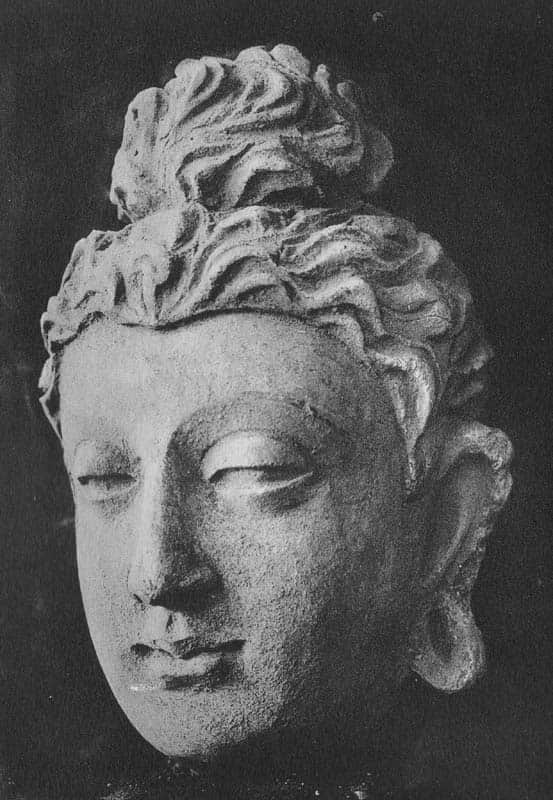
HADB 34
Head of Buddha
Stucco · Tapa Kalān
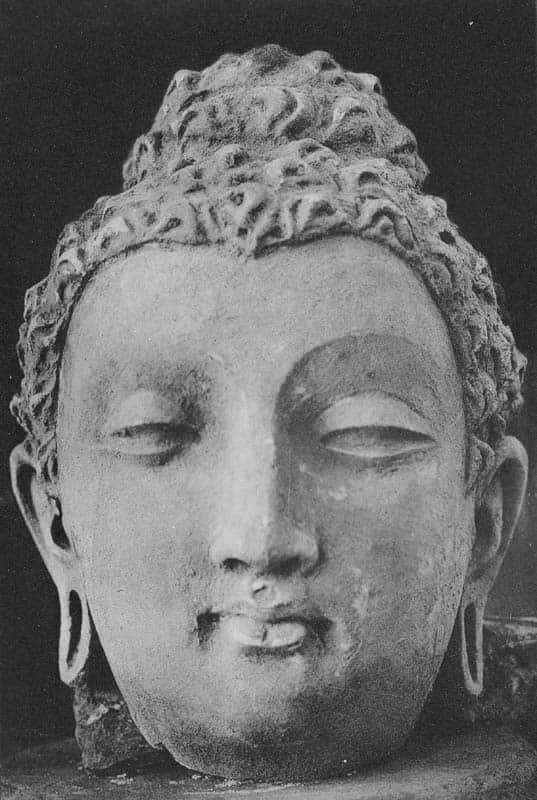
HADB 35
Head of Buddha
Stucco · Tapa Kalān
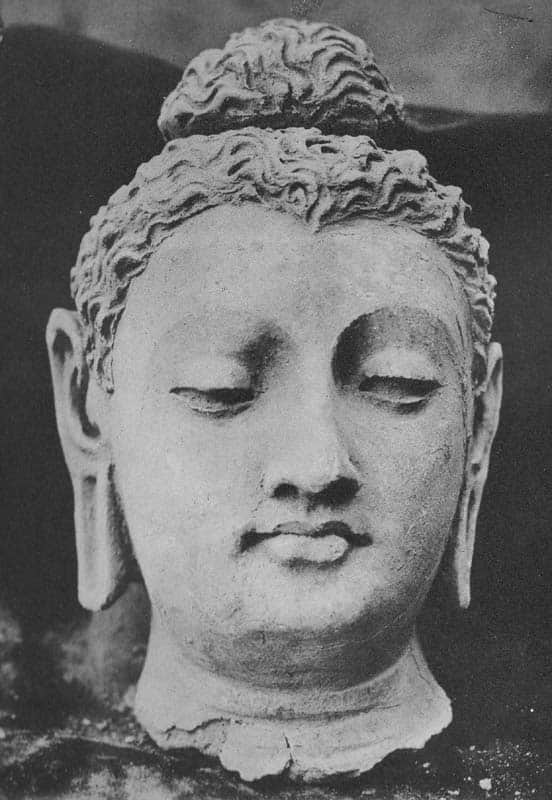
HADB 36
Head of Buddha
Stucco · Tapa Kalān
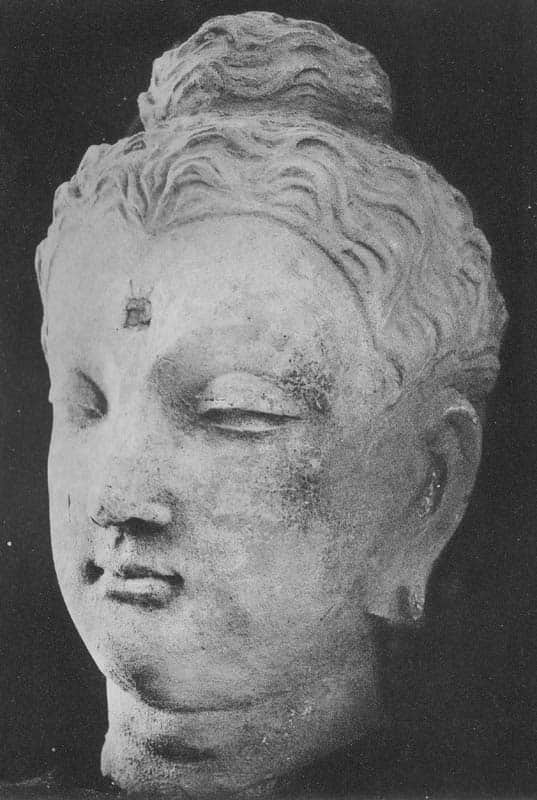
HADB 37
Head of Buddha
Stucco · Tapa Kalān
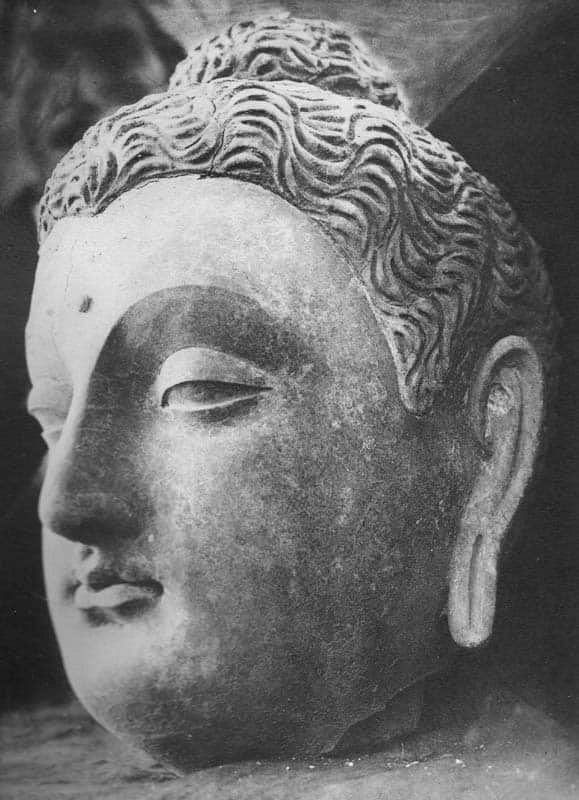
HADB 38
Head of Buddha
Stucco · Tapa Kalān
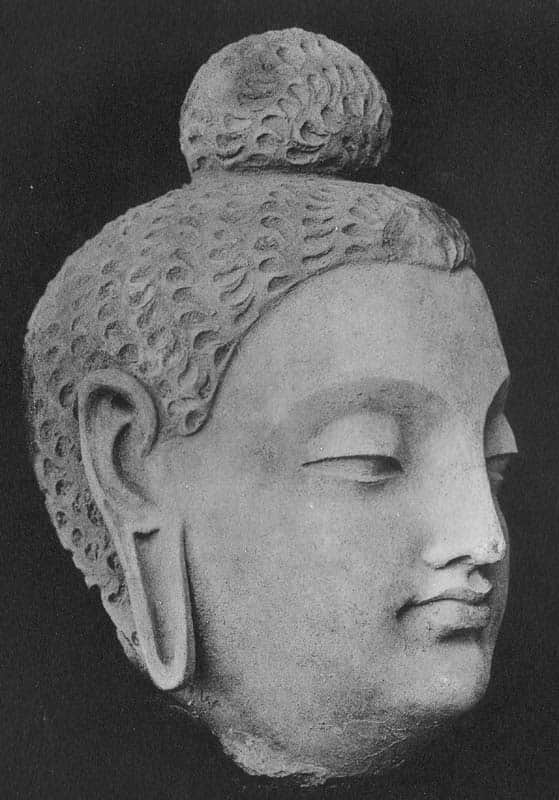
HADB 39
Head of Buddha
Stucco · Tapa Kalān
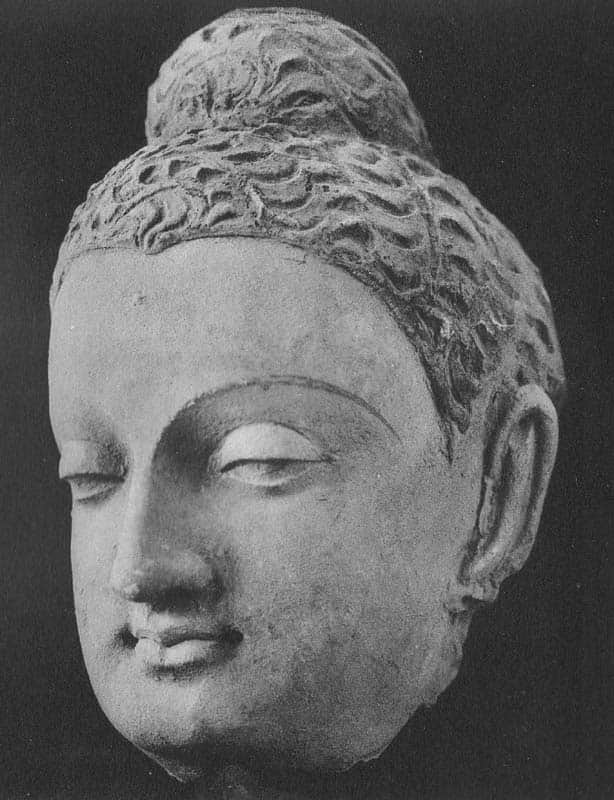
HADB 40
Head of Buddha
Stucco · Tapa Kalān
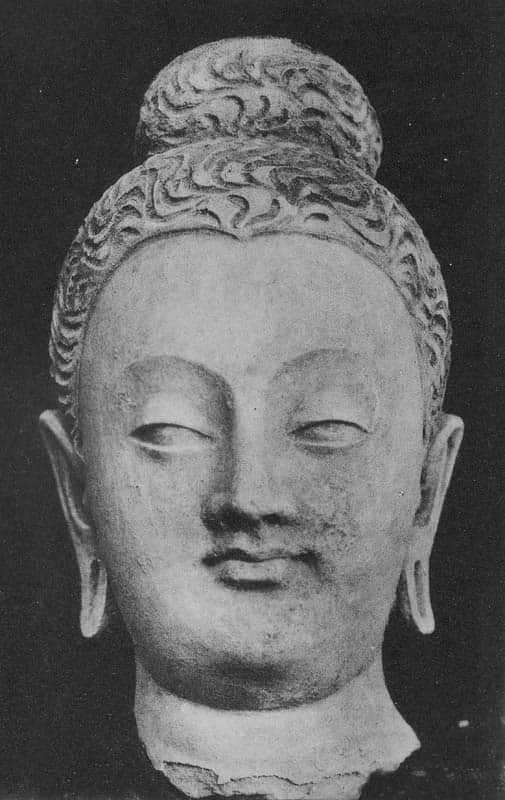
HADB 41
Head of Buddha
Stucco · Tapa Kalān
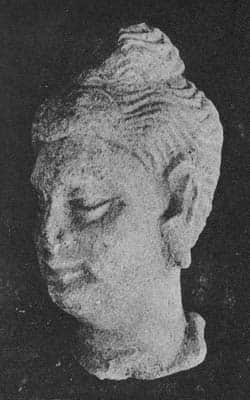
HADB 46
Head of Buddha
Limestone · Tapa Kalān
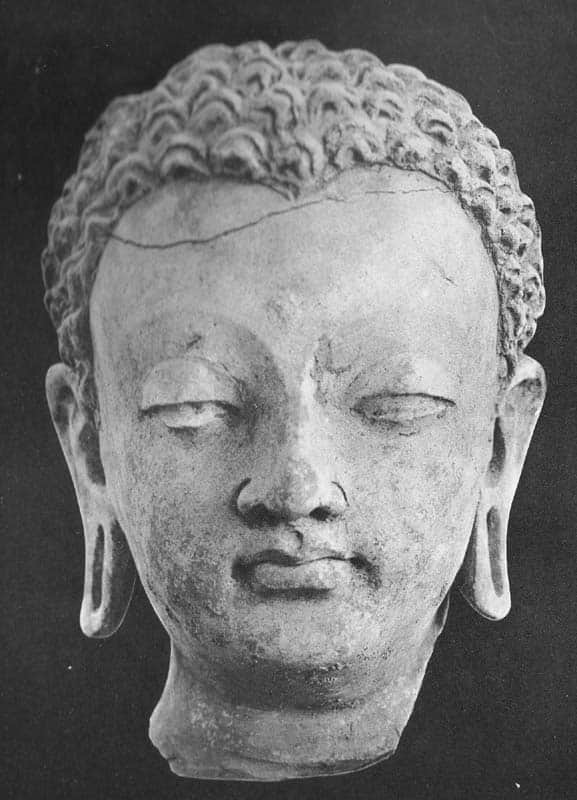
HADB 48
Head of Buddha
Stucco · Tapa Kalān
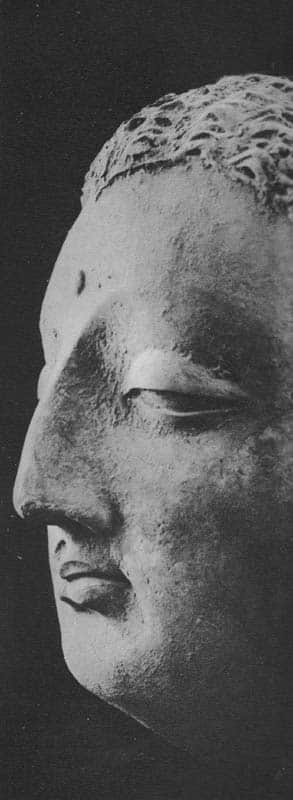
HADB 49
Head of Buddha
Stucco · Tapa Kalān
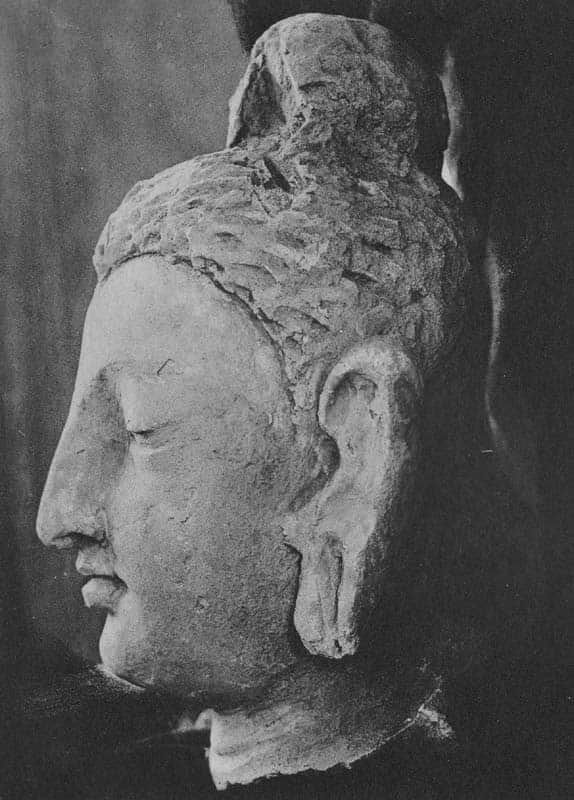
HADB 50
Head of Buddha
Stucco · Tapa Kalān
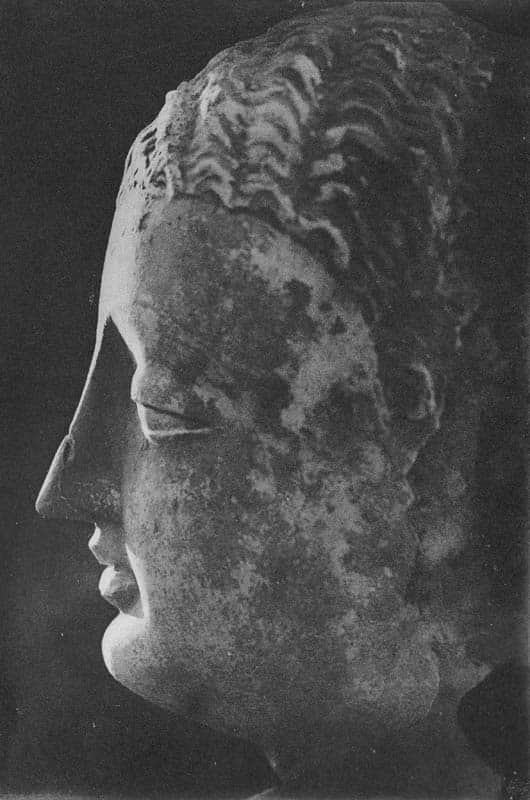
HADB 51
Head of Buddha
Stucco · Tapa Kalān
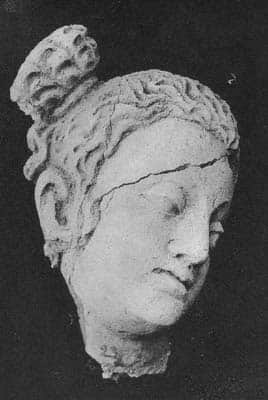
HADB 52
Head of Buddha
Stucco · Tapa Kalān
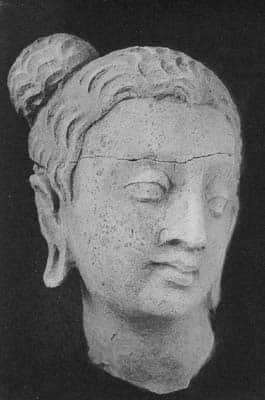
HADB 53
Head of Buddha
Stucco · Tapa Kalān
Tapa-i Kafarihā7 works
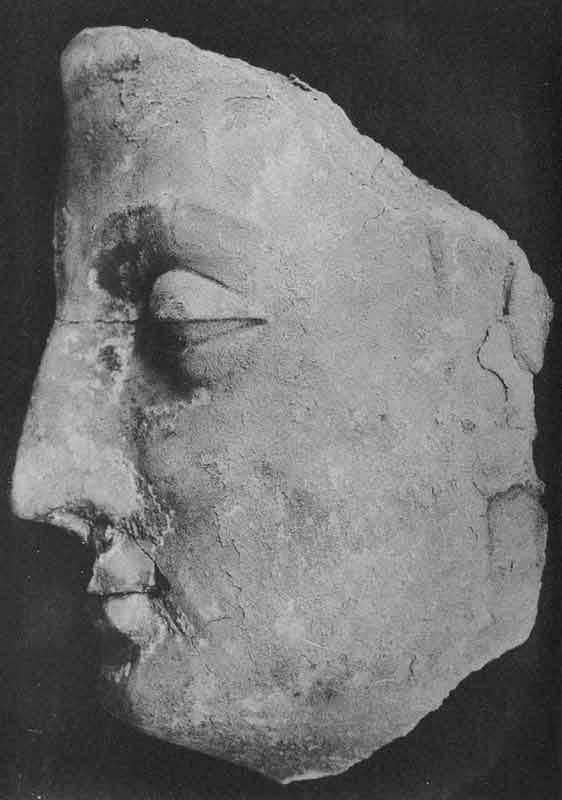
HADB 10
Head of Buddha
Stucco · Tapa-i Kafarihā
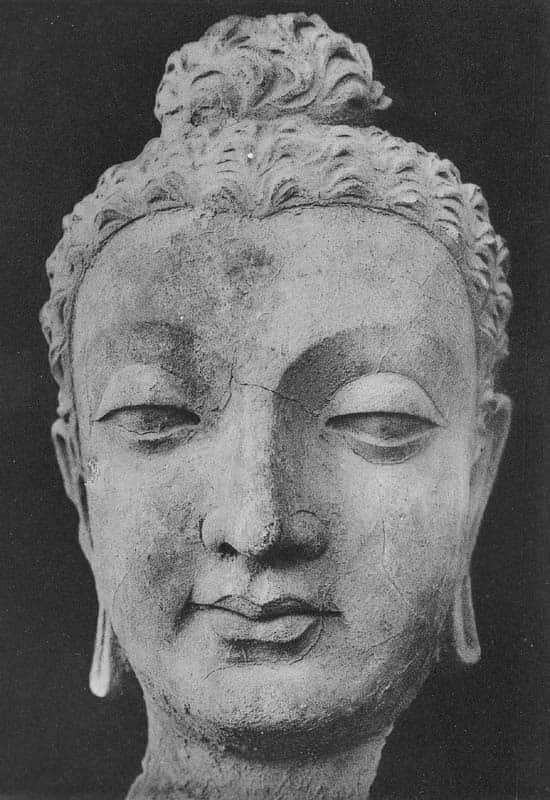
HADB 18
Head of Buddha
Stucco · Tapa-i Kafarihā
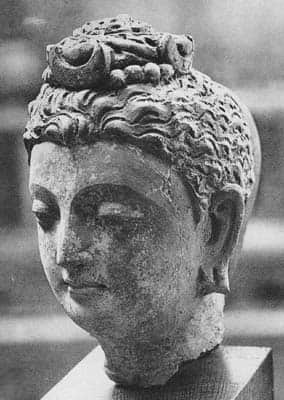
HADB 21
Head of an adorned Buddha
Stucco · Tapa-i Kafarihā
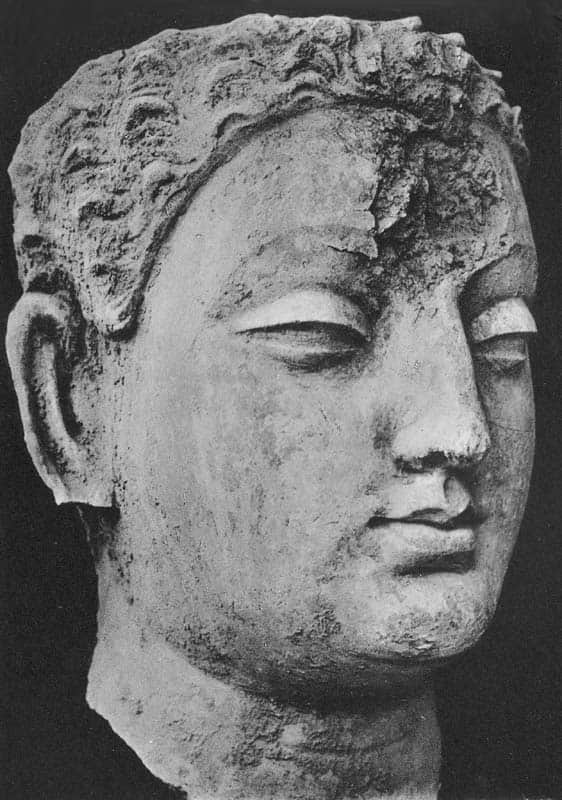
HADB 30
Head of Buddha
Stucco · Tapa-i Kafarihā
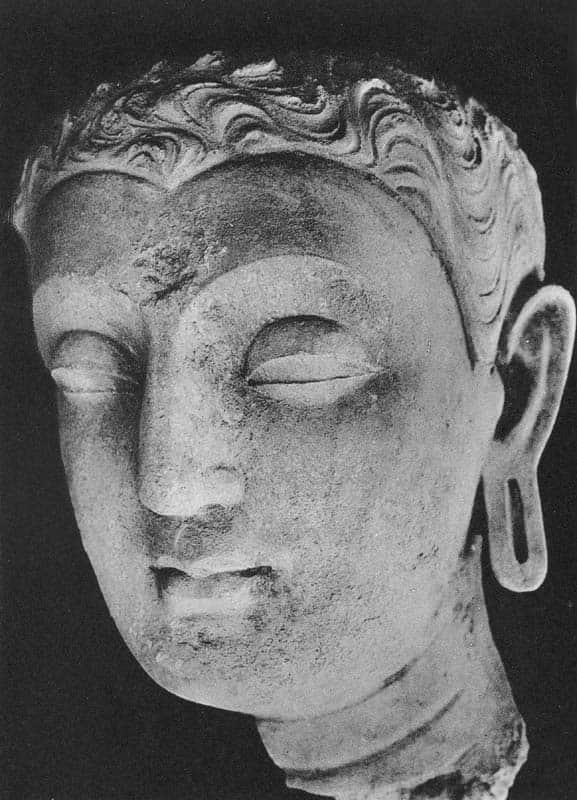
HADB 31
Head of Buddha
Stucco · Tapa-i Kafarihā
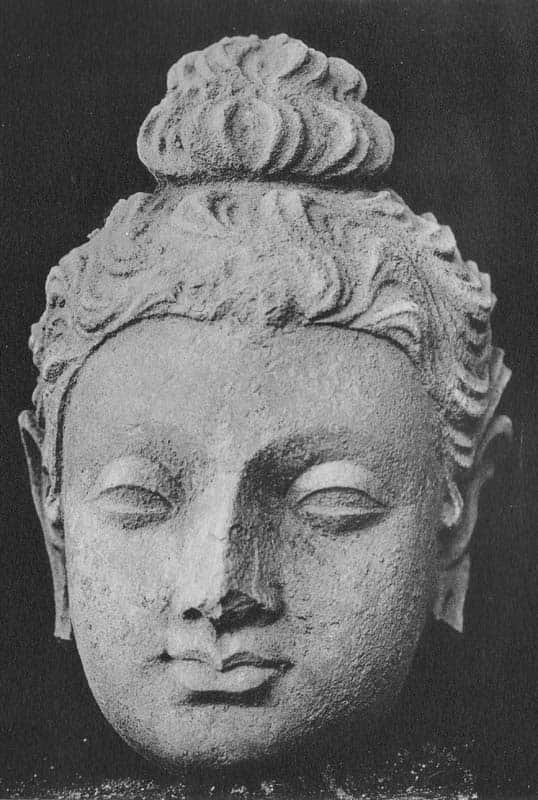
HADB 33
Head of Buddha
Stucco · Tapa-i Kafarihā
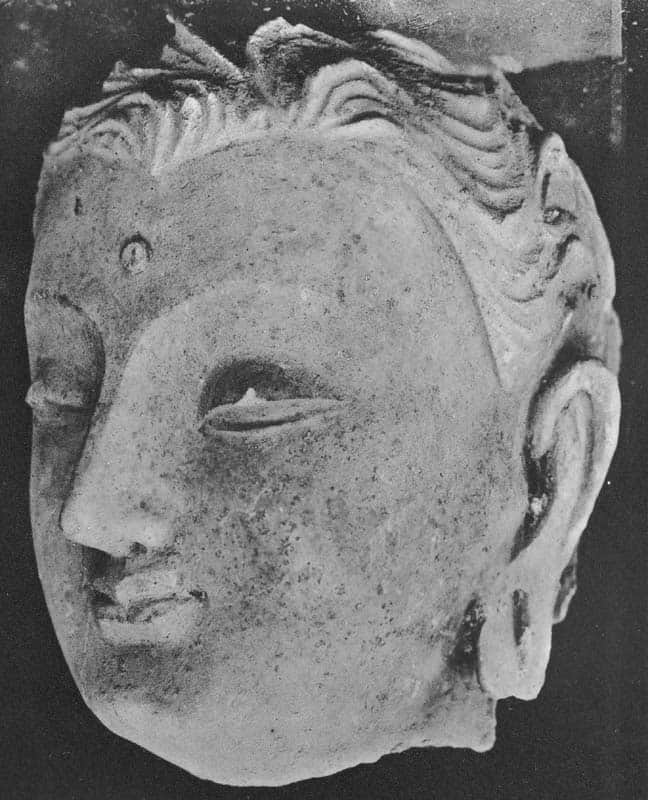
HADB 47
Head of Buddha
Stucco · Tapa-i Kafarihā
Haḍḍa, lost location5 works
This figure in the tours
Guided tours of the database include several works of this figure.
The Faces of the Buddha at Haḍḍa
11 works of this figure
The Hellenistic echo
6 works of this figure
The smile of Haḍḍa
6 works of this figure
Indian Influences in the Art of Haḍḍa
4 works of this figure
Traces of colour
3 works of this figure
Central Asian Influences in the Art of Haḍḍa
2 works of this figure
In the identification key
The observation paths that lead to this figure in the questionnaire. Each path can be replayed.
- Idealised and sereneTopknot on the crown, wave-patterned hair, no jewelleryCompact topknot (uṣṇīṣa) and distended earlobes
- The face is missing, I mainly see the bodyEnveloping monastic robe (saṃghāṭi)A cranial topknot (uṣṇīṣa)
- The face is missing, I mainly see the bodyEnveloping monastic robe (saṃghāṭi)The head is missing