Database dedicated to the archaeological heritage of the Buddhist monasteries of Haḍḍa (Afghanistan)
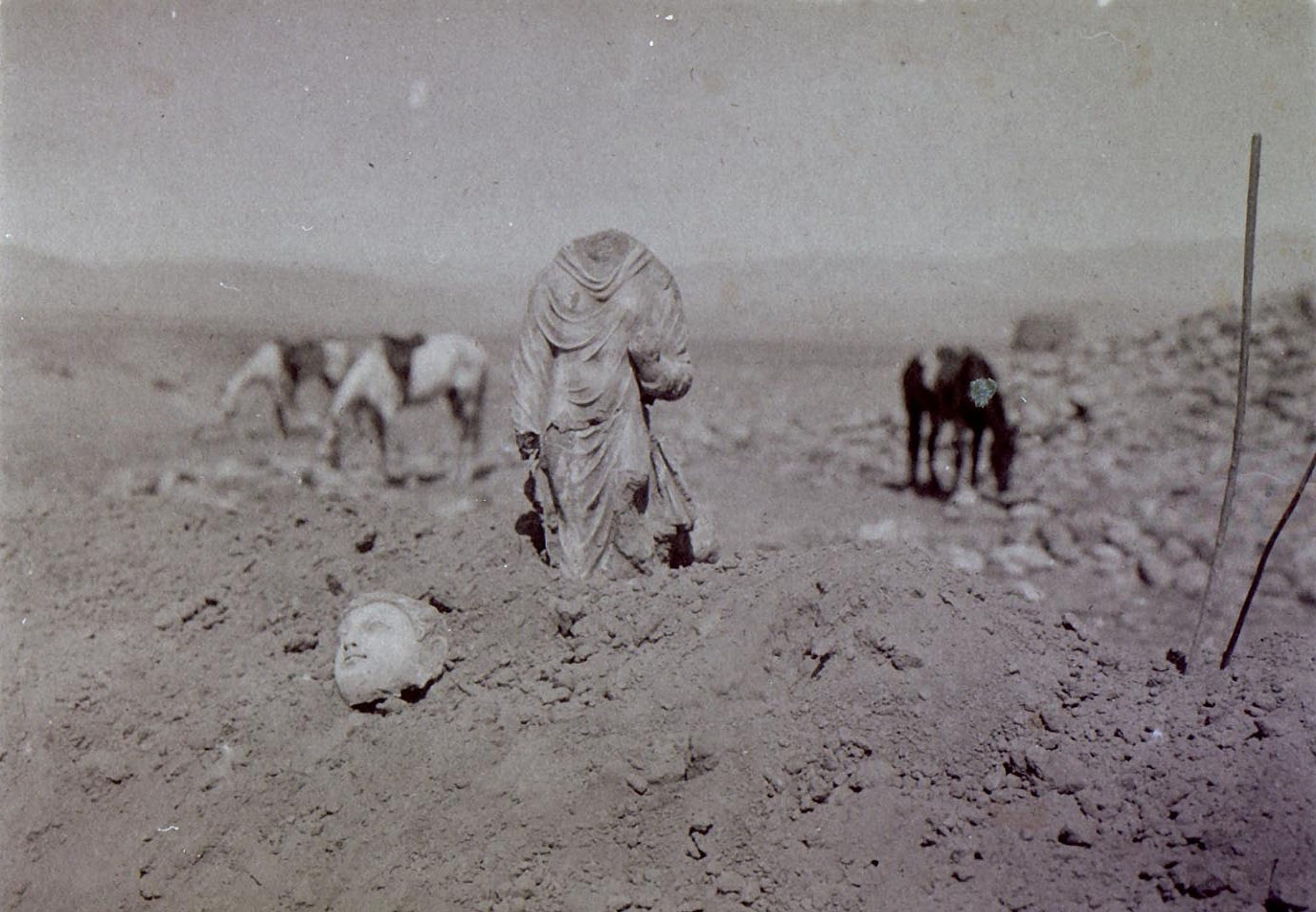
Studying and preserving the memory of the sculptures and excavations of Haḍḍa, a major centre of Gandhāran art.
478 objects · 674 photographs · 12 archaeological sites
The collection
Selected works
Guided visits
Thematic tours
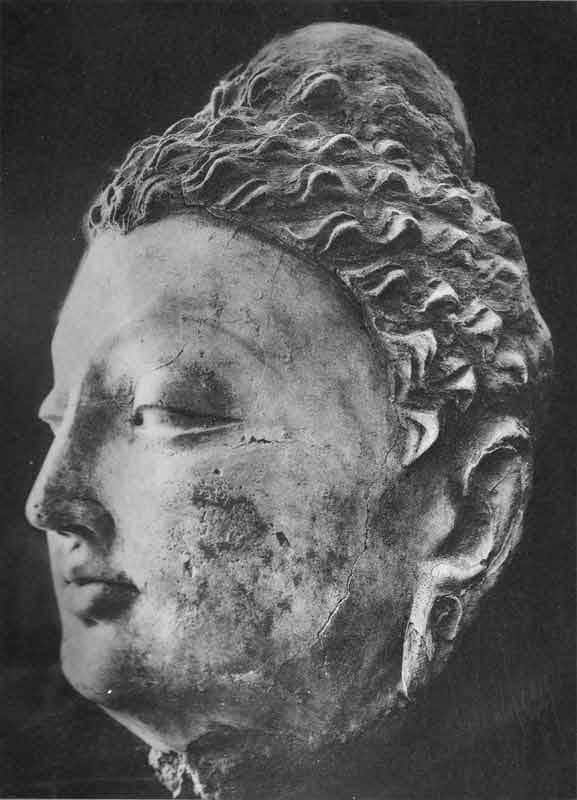
The Faces of the Buddha at Haḍḍa
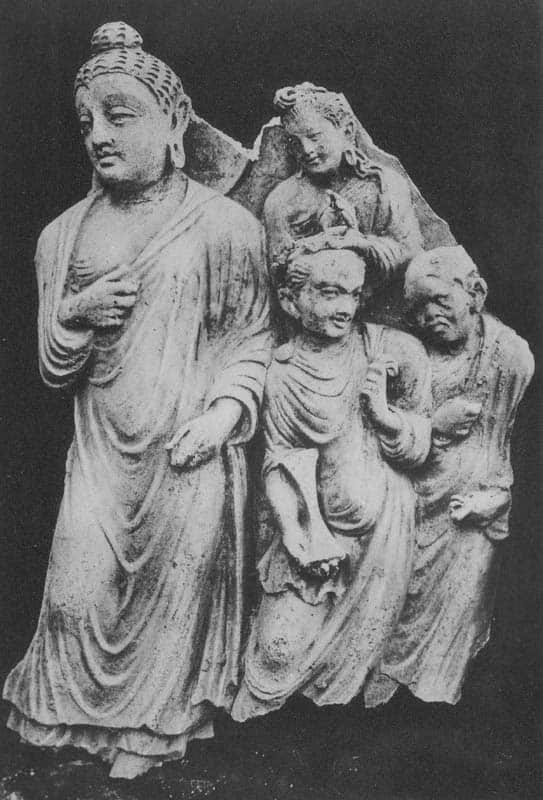
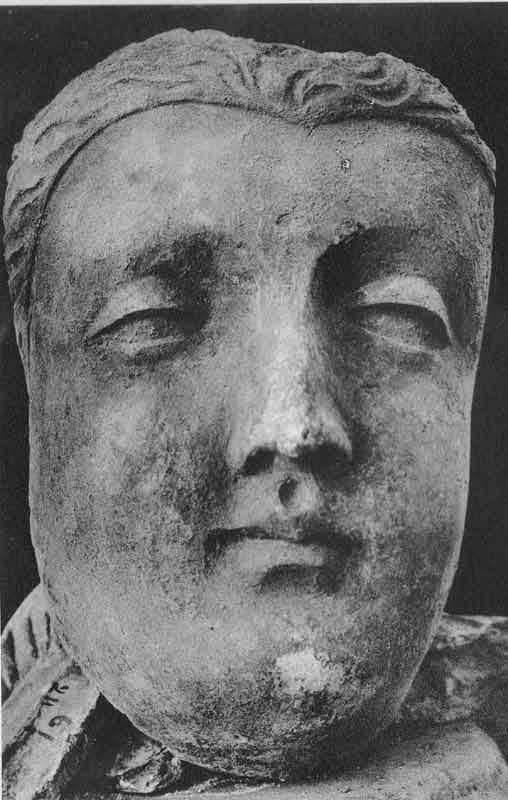
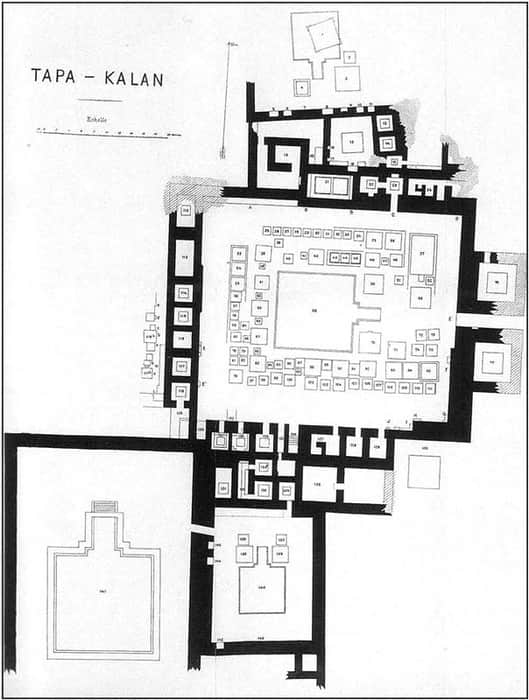
Discover the diversity of Buddha representations found in the monasteries of Haḍḍa. This path gathers thirteen sculptures (heads, busts and narrative scenes) from Tapa Kalān, the largest monastic complex at the site. Modelled in stucco, these works illustrate the variety of stylistic treatments adopted by the artists of Haḍḍa.
13 objects
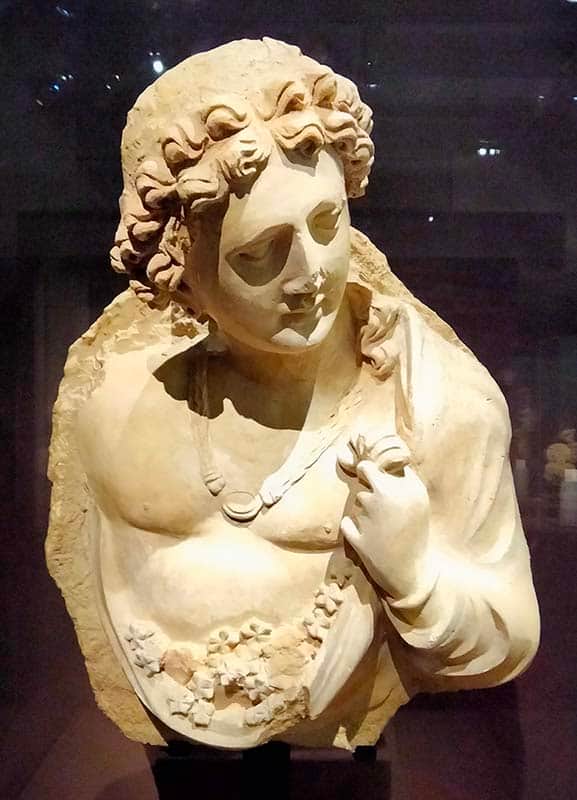
Demons and Genies of Haḍḍa
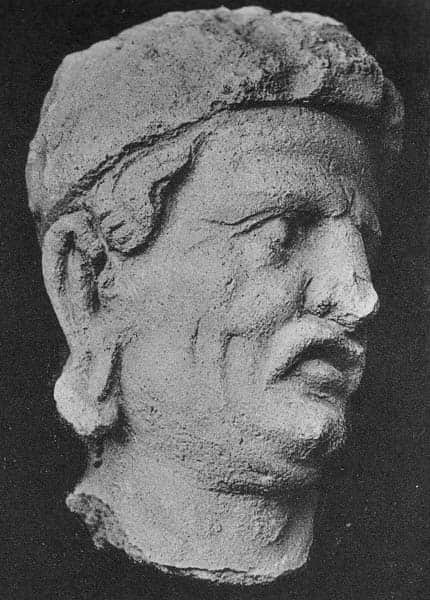
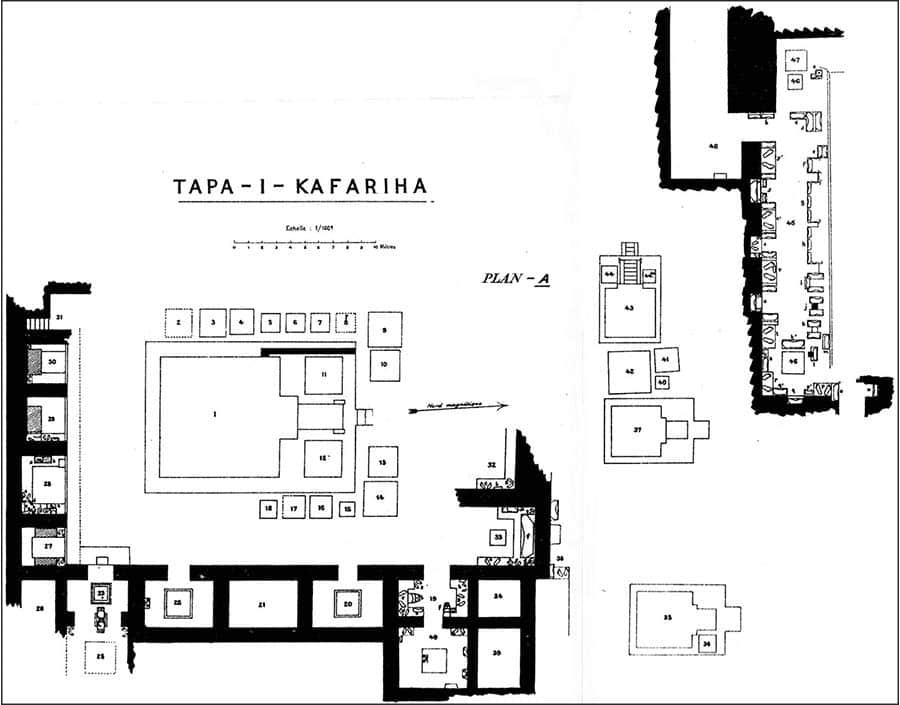
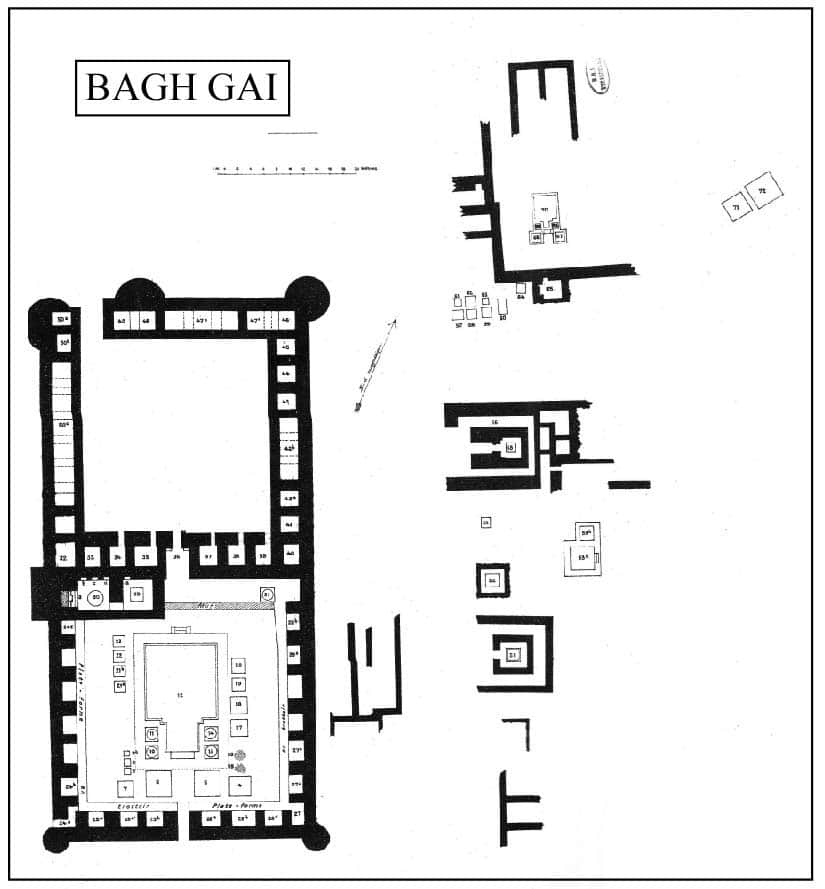
This path brings together twenty sculptures of demons and flower-bearing genies discovered across several sites at Haḍḍa: Tapa Kalān, Bāgh Gaï, Tapa-i Kafarihā, Chakhil-i Ghoundi and pieces with lost provenance. These stucco figures are among the most expressive in Gandhāran art and depict supernatural beings from Buddhist mythology.
20 objects
Donors, Monks and Brahmans
This path presents twenty sculptures depicting human figures: lay donors, Buddhist monks (bhikṣu) and brahmans. From Tapa Kalān and Bāgh Gaï, these stucco works offer a panorama of the social types represented in the monastic art of Haḍḍa. One can observe the diversity of physiognomies, ages and statuses.
20 objects
Scenes from the Life of the Buddha
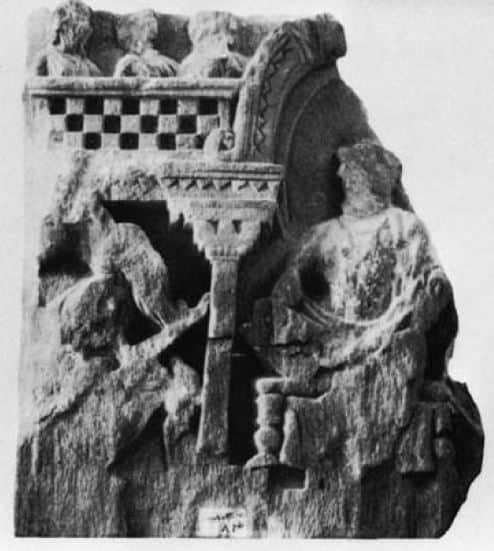
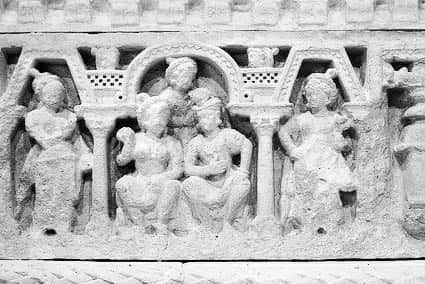
This path gathers fifteen narrative schist reliefs illustrating episodes from the life of Siddhārtha Gautama and the Jātaka tales. From Tapa Kalān and pieces with lost provenance at Haḍḍa, these carved panels depict the Great Departure, the Seven Steps, the Dīpaṁkara Jātaka and other scenes. These reliefs bear witness to the narrative tradition of Gandhāran art.
15 objects
The Art of Schist at Haḍḍa
Haḍḍa is mainly known for its modelled stucco sculptures, but the site also yielded works in schist. This path gathers the twenty-one schist pieces in the corpus: narrative reliefs, isolated figures and carved panels. These works, from Tapa Kalān, Bāgh Gaï and pieces with lost provenance, attest to a stone production that coexisted with the stucco tradition.
21 objects
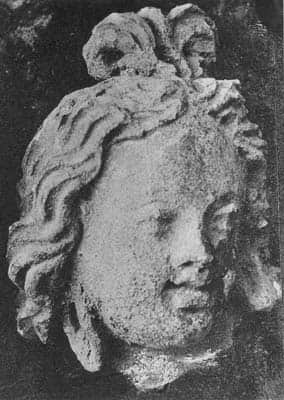
The smile of Haḍḍa
Half-closed eyes, full cheeks and a faint smile: this gentle expression appears on almost every face modelled at Haḍḍa. This tour brings together twenty sculptures and follows the smile across all the figures of the monasteries: Buddhas and Bodhisattvas, deities, monks, brahmans, donors, musicians, and finally warriors and demons, whose smile turns fierce.
20 objects
Fieldwork
The excavation sites
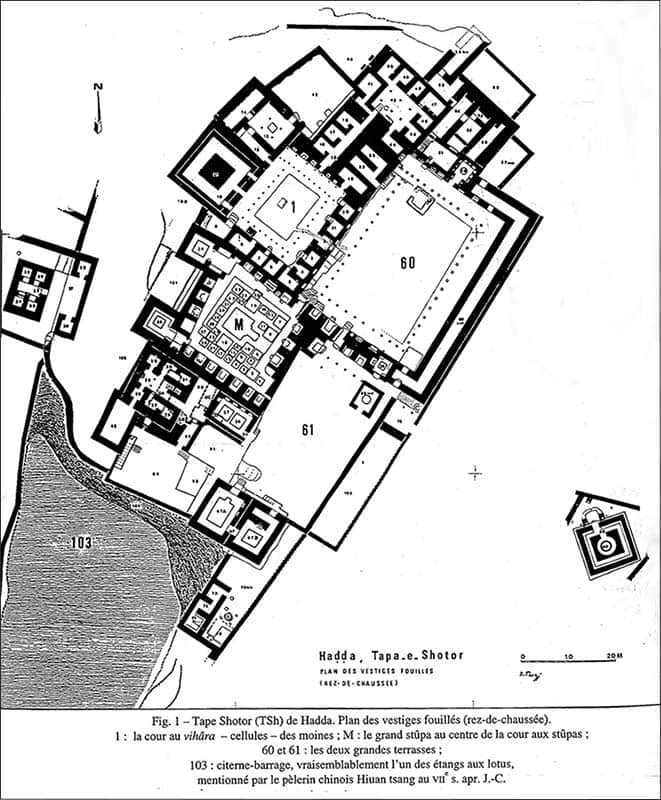
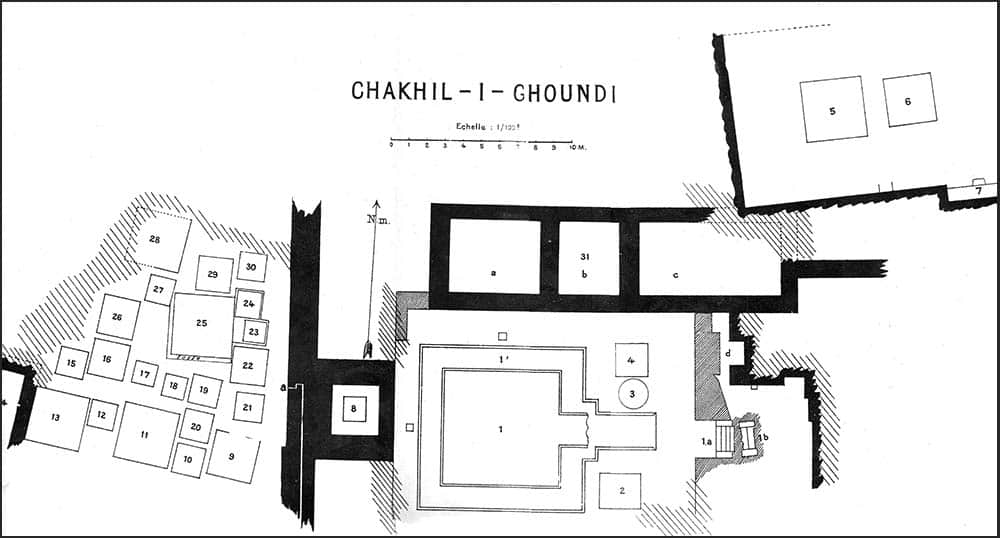
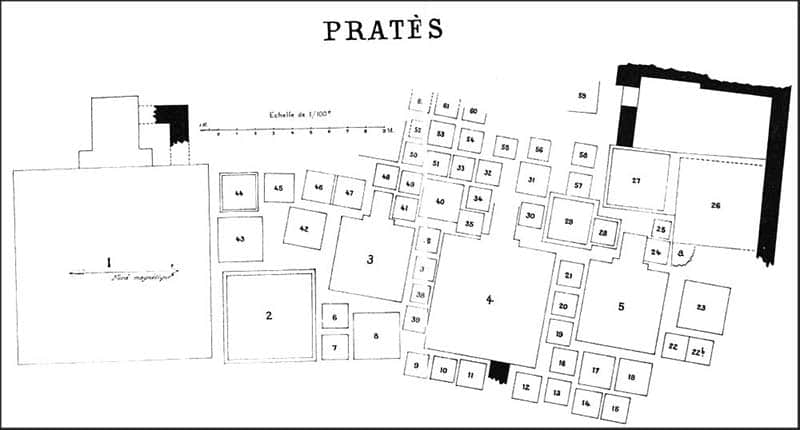
Overview
The database in numbers
- Objects
- 478
- Photographs
- 674
- Archaeological sites
- 12
- Languages
- 4
Project
About the project
Haḍḍa, near Jalālābād in eastern Afghanistan, was one of the great Buddhist monastic centres of ancient Gandhāra, active from roughly the 1st to the 8th century CE. The site was excavated notably by Jules Barthoux for the DAFA between 1926 and 1933. Its collections, largely destroyed between 1992 and 2001, survive through the pieces kept at the Musée Guimet and in Kabul, and through the documentation gathered in this database.